
What Canada’s 100 Best Restaurants Reveal About the Future of Dining
Canada’s fine dining scene has been shaped by a mix of global influences from French fine dining and Japanese technique to Nordic simplicity and modern American-style hospitality.
But the 2026 edition of Canada’s 100 Best Restaurants suggests Canadian dining is entering a confident new era.
Today, Canada’s most influential restaurants are becoming more connected to place, design and cultural identity. Fine dining is also becoming more relaxed and personal, with restaurants focusing not just on food, but on storytelling, hospitality and creating a memorable experience for guests. More than a ranking, this year’s list feels like a snapshot of where Canada’s dining culture is heading next.
As summer travel season begins across Canada, many travellers are increasingly planning trips around restaurants as much as destinations. From Niagara wine country to Prince Edward County and the mountains of Western Canada, this year’s Canada’s 100 Best list reflects how dining has become one of the country’s defining travel experiences by shaping where people go.
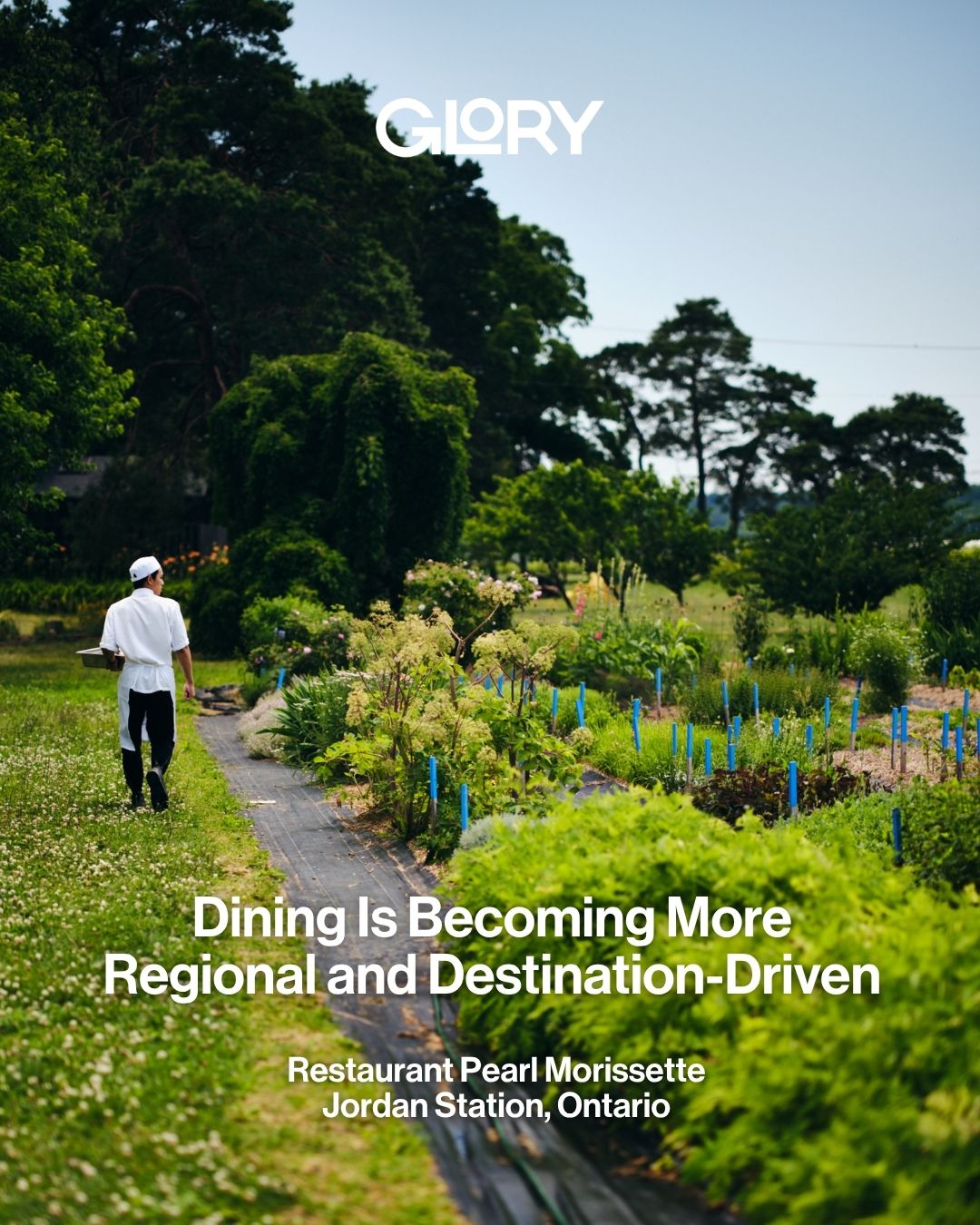
Dining Is Becoming More Regional and Destination-Driven
Perhaps the clearest shift is geographical. While Canada’s dining culture has long extended beyond Toronto, Montreal and Vancouver, smaller cities, wine regions and destination-focused culinary communities are becoming increasingly influential.
The most symbolic example is Restaurant Pearl Morissette, the number one restaurant in Canada, located not in a major urban centre but in Jordan Station within Niagara wine country. Its rise reflects the growing appeal of destination dining experiences tied to wineries, regional ingredients, countryside hospitality and slower, immersive travel. Increasingly, people are travelling not simply to cities, but to restaurants deeply connected to landscape and location.
The Pine, ranked eleventh nationally and located in the small Ontario town of Creemore, reflects the growing prominence of intimate rural restaurants centred on hyper-seasonal cooking and close relationships with local producers. At the same time, Prince Edward County has continued evolving into one of Canada’s most compelling food destinations, where boutique hotels, wine culture and farm-driven dining increasingly intersect.
Meanwhile, Calgary’s growing presence on the 2026 list through restaurants such as Eight, DOPO, River Café, and Nupo reflects how influential the city has become within Canada’s evolving dining conversation. Its restaurant scene continues bringing fresh energy and perspective to the national landscape.
Increasingly, Canada’s most influential restaurants feel inseparable from the regions they represent. The future of Canadian fine dining is no longer concentrated solely in the country’s largest metropolitan centres but is becoming more geographically diverse and destination-driven.
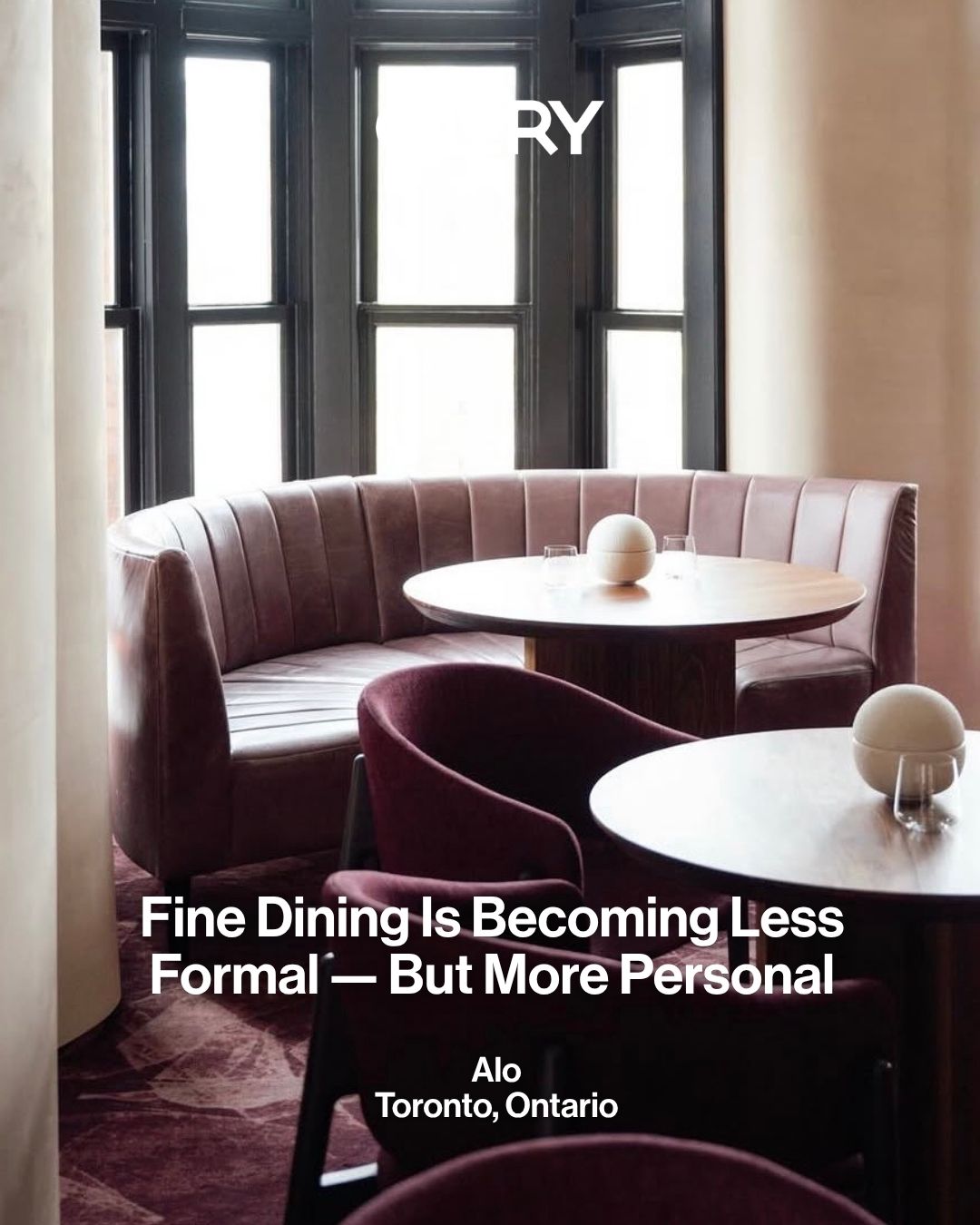
Fine Dining Is Becoming Less Formal — But More Personal
Traditional fine dining rituals are evolving toward a more relaxed, intimate, and hospitality-driven style of service.
Montreal’s Mon Lapin captures this evolution particularly well. Frequently ranked among the country’s best restaurants, it moves away from rigid luxury conventions in favour of warmth, natural wine, and a more intimate dining atmosphere.
Even restaurants grounded in classical fine dining traditions are evolving. Alo continues to deliver meticulous cooking and polished service but the experience now feels more conversational, personal, and emotionally resonant than traditional luxury dining once demanded.
Across the country, sophistication is increasingly being expressed through atmosphere and hospitality as much as culinary excellence.
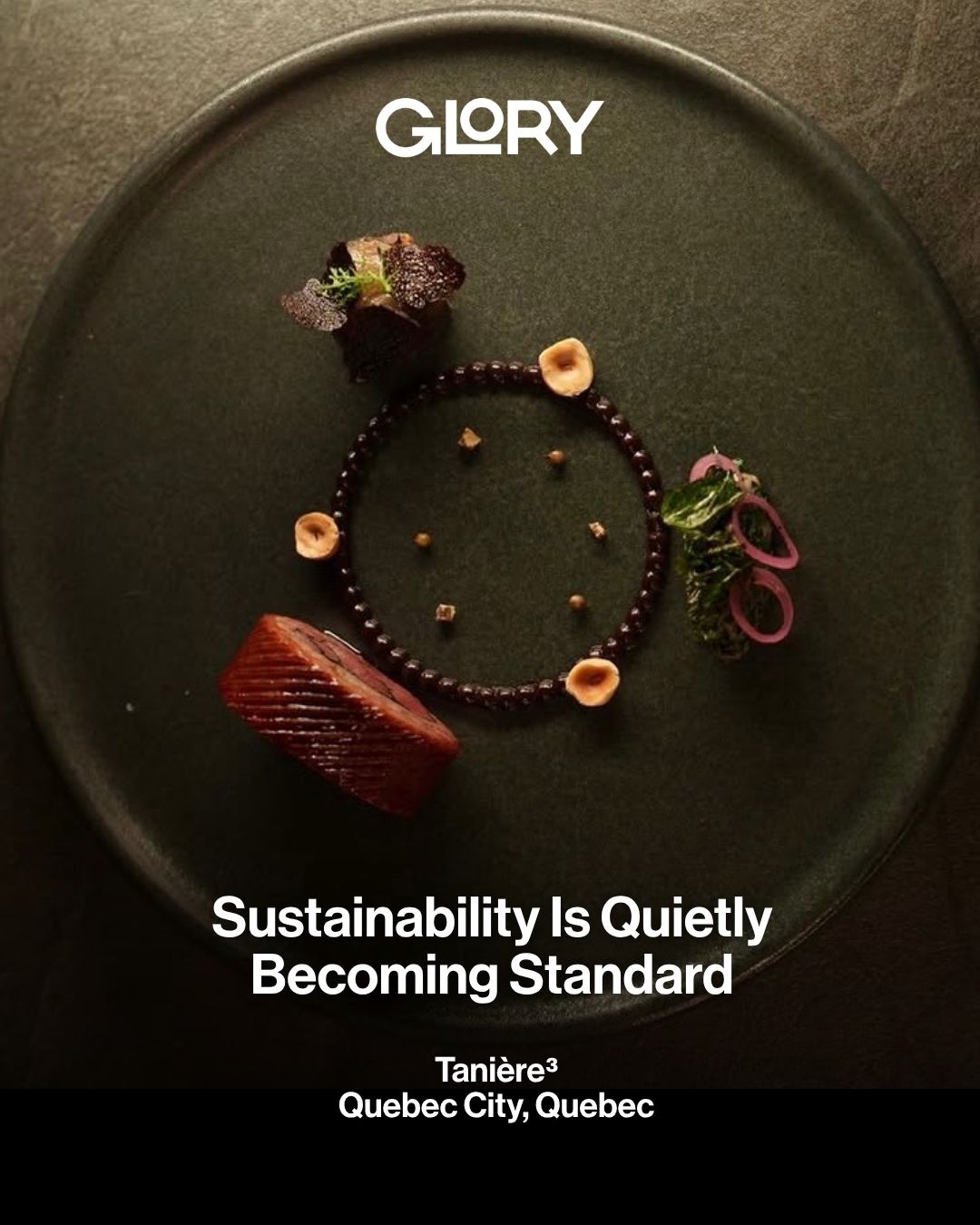
Sustainability Is Quietly Becoming Standard
Sustainability has also evolved beyond trend status. At many of Canada’s leading restaurants, local sourcing, seasonality, and low-waste cooking are no longer treated as marketing language but simply as part of running a thoughtful kitchen.
Vancouver restaurants Published on Main and AnnaLena reflect this distinctly West Coast approach to sustainability and seasonality. Published on Main integrates local seafood, fermentation, preservation, and ingredient transparency into its culinary identity, while AnnaLena builds its menus around Pacific Northwest seasonality and carefully sourced seafood. In both cases, sustainability feels fully embedded within the restaurants themselves rather than foregrounded as messaging.
In St. Catherine’s, Fat Rabbit approaches sustainability through whole-animal butchery, seasonal Ontario ingredients and a low-waste philosophy integrated into daily operations. What makes the restaurant particularly notable is how naturally these ideas coexist with an atmosphere that remains warm and approachable rather than overtly ideological.
Perhaps no restaurant represents this evolution more clearly than Tanière³ in Quebec City. The restaurant draws deeply from Quebec’s geography through boreal ingredients, foraging, preservation and Indigenous influences shaped by the northern landscape.
What makes Tanière³ especially compelling is the elegance with which these ideas are presented. Rather than treating sustainability as a statement, the restaurant integrates local identity, culture and ecology into a refined contemporary dining experience that feels globally relevant while remaining distinctly Québécois.
Increasingly, Canada’s leading restaurants are becoming expressions of the ecosystems and communities surrounding them.
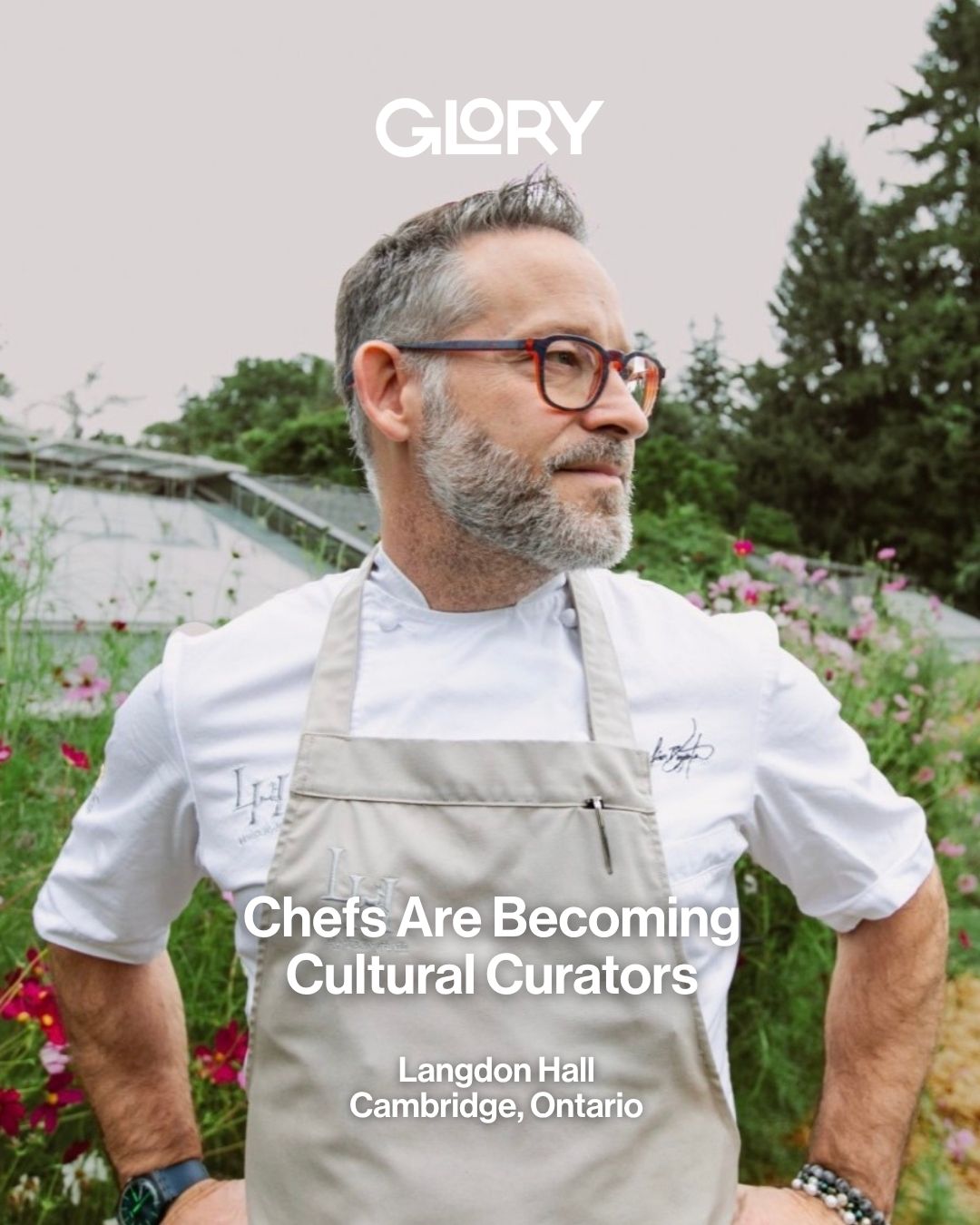
Chefs Are Becoming Cultural Curators
The role of the chef is evolving as well. Today’s leading restaurateurs are increasingly building hospitality experiences that extend beyond the dining room itself.
At Langdon Hall in Ontario, Chef Jason Bangerter has helped shape a dining experience connected to the property’s gardens, luxury accommodations, and countryside setting, while on the West Coast, Wild Blue Restaurant + Bar, led by Chef Alex Chen, combines destination dining with mountain tourism and elevated Pacific Northwest hospitality.
The modern chef is becoming something closer to a cultural curator, shaping not simply what people eat, but how people experience hospitality itself.
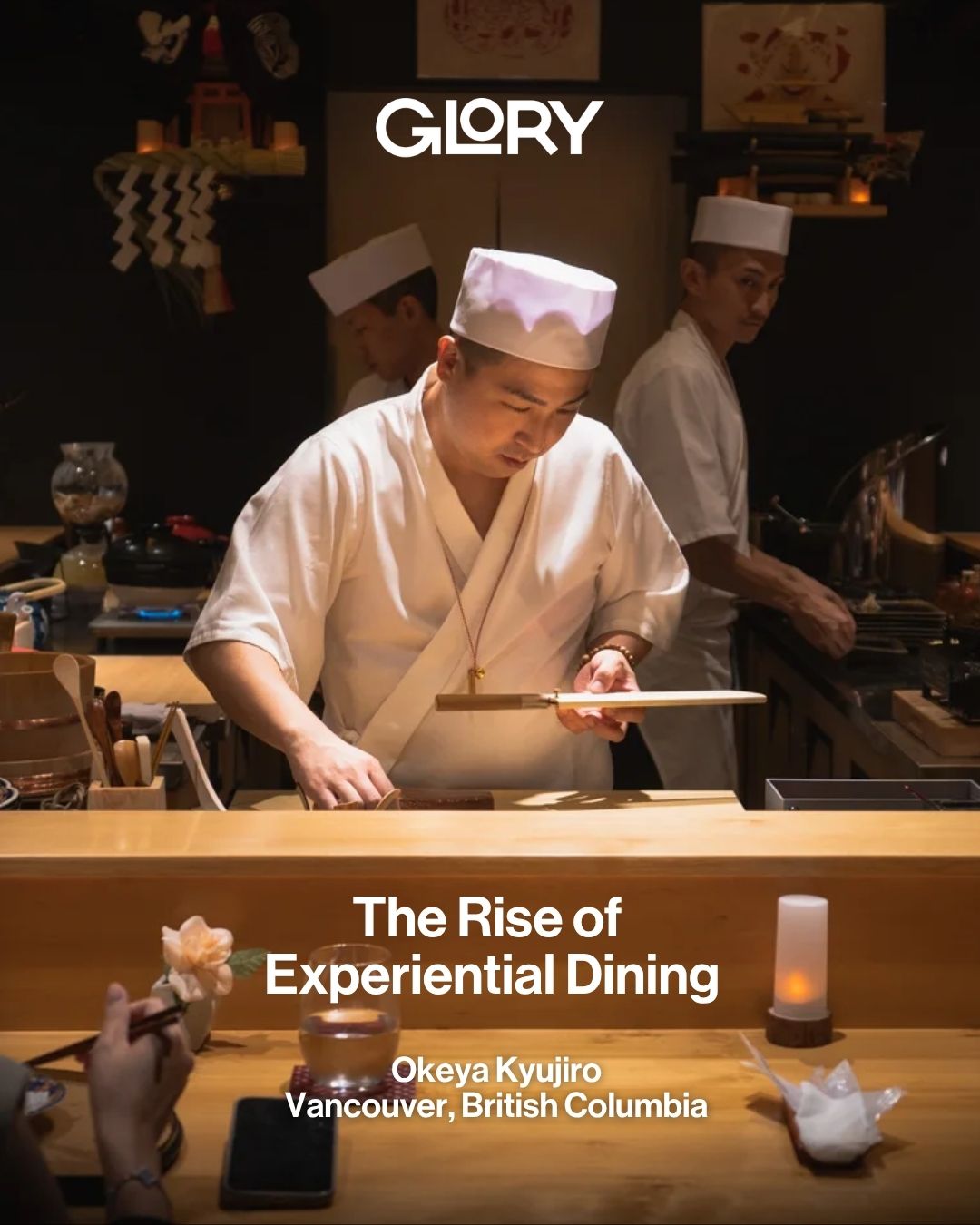
The Rise of Experiential Dining
Many of today’s most influential restaurants understand something fundamental. People remember how a restaurant makes them feel. Atmosphere, design, energy and theatricality are becoming just as important as culinary execution.
Quetzal is one of the clearest examples. Its live-fire kitchen creates movement, spectacle, and sensory drama that transform dinner into something almost cinematic.
Prime Seafood Palace succeeds not only because of the food, but because it captures the broader cultural energy surrounding Matty Matheson himself. The restaurant blends nostalgia, music, celebrity culture, design, and contemporary hospitality into an experience that feels both elevated and highly accessible.
In Toronto, Takja reflects the rise of socially driven restaurants where atmosphere and interaction matter as much as culinary technique, bringing the communal energy of Korean barbecue into a more refined contemporary dining setting, while in Vancouver, Okeya Kyujiro introduces Japanese dining culture through an immersive omakase experience shaped by choreography, ritual and artistry. Together, the two restaurants reflect how Asian culinary traditions are being expressed in distinctly different yet equally contemporary ways within Canadian dining culture.
Luxury dining increasingly extends beyond the plate itself. Restaurants are becoming carefully designed emotional experiences.
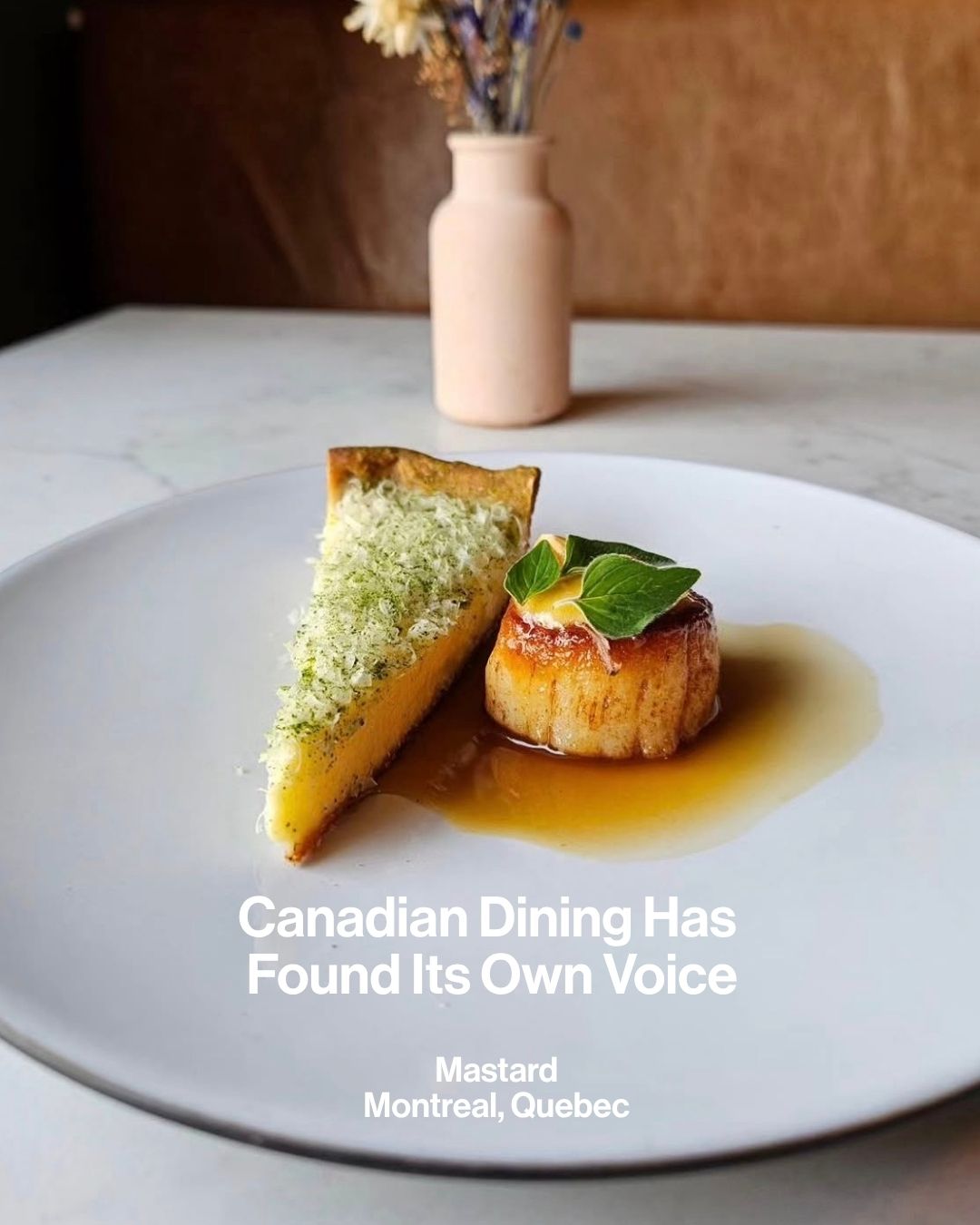
Canadian Dining Has Found Its Own Voice
Cultural confidence may be the defining shift of all. For decades, Canadian fine dining largely evolved through the influence of established international traditions. Today, however, many of the country’s strongest restaurants feel increasingly distinct in their own identity, shaped by regional perspectives, multicultural influences, and local histories.
In Montreal, Mastard and Beba reflect two distinct expressions of contemporary Quebec dining. Mastard approaches its cuisine through seasonal ingredients, preservation techniques, and dishes shaped by the province’s climate and landscape, while Beba blends Argentinian influence, Jewish culinary traditions and Quebec ingredients into a style deeply connected to Montreal’s multicultural identity.
In Toronto, Mimi Chinese reflects the growing prominence of culturally diverse restaurants within contemporary Canadian dining. The restaurant combines regional Chinese influences with dramatic interiors, polished hospitality and cocktail culture in a way that feels both globally informed and distinctly local.
At the same time, in Ontario’s Grey County near Georgian Bay, Naagan points toward a deeper evolution in where Canadian dining is heading next. Through Indigenous foodways, open-fire cooking, foraging and Anishinaabe culinary traditions, Chef Zach Keeshig is helping articulate a version of Canadian cuisine shaped not by imported luxury frameworks, but by the land and histories of this country itself.
“Our identity reflects my story of what Indigenous food could be. If you asked most people what Indigenous food is, they’d probably say moose meat or wild rice — but I believe it can be much more than that. Why can’t we take something like French pigeon and smoke it over birch we harvested ourselves, or use a traditional medicine like sweetgrass to make ice cream? We’re applying techniques I learned working in Michelin restaurants while incorporating traditional Indigenous ingredients, techniques and ways of cooking into something contemporary.”
That may ultimately be the clearest takeaway from this year’s list. Canada’s most influential restaurants are no longer defined by a single style, city or tradition. Instead, they are becoming more regional, more culturally layered and more connected to the people and places around them.
The result is a dining culture with a stronger sense of identity and more reflective of Canada itself.