What the World’s Best Bartenders Understand About People
What stands out across North America’s 50 Best Bars isn’t just the drinks. It’s how quickly bartenders read people.
You notice it almost immediately: Drinks are being made, people coming and going, conversations overlapping, but nothing competes for attention. Even in quieter moments, nothing feels out of place.
Bartenders don’t approach everyone the same way. Some guests are met with direct questions. Others are given space. Some interactions are efficient while others take a little longer.
It is subtle, but consistent.
It is easy to see this as business as usual for a hospitality establishment. But at this level, it is about reading people and responding in real-time.
Psychologically, it draws on theory of mind and both cognitive and affective empathy. It’s about understanding what a guest feels and meeting them where they’re at.
That is what defines the establishments (and people) operating at this level. It’s not just technical skill but the ability to read people quickly and respond in a way that feels natural.
First Impressions
Most of the work happens before a guest utters their first word. Bartenders are reading small, immediate signals—how someone enters the space, whether they hesitate or move directly to the bar, eye contact, posture, pace.
These are not formal assessments. Rather, they are quick reads.
From there, a direction is set whether to guide, ask, or step back.
What is notable is how little of this is visible to the guest.
In most professional environments, these reads take time, sometimes an entire meeting. Behind a bar, they happen in seconds. The principle, however, is the same: understanding someone early shapes everything that follows.
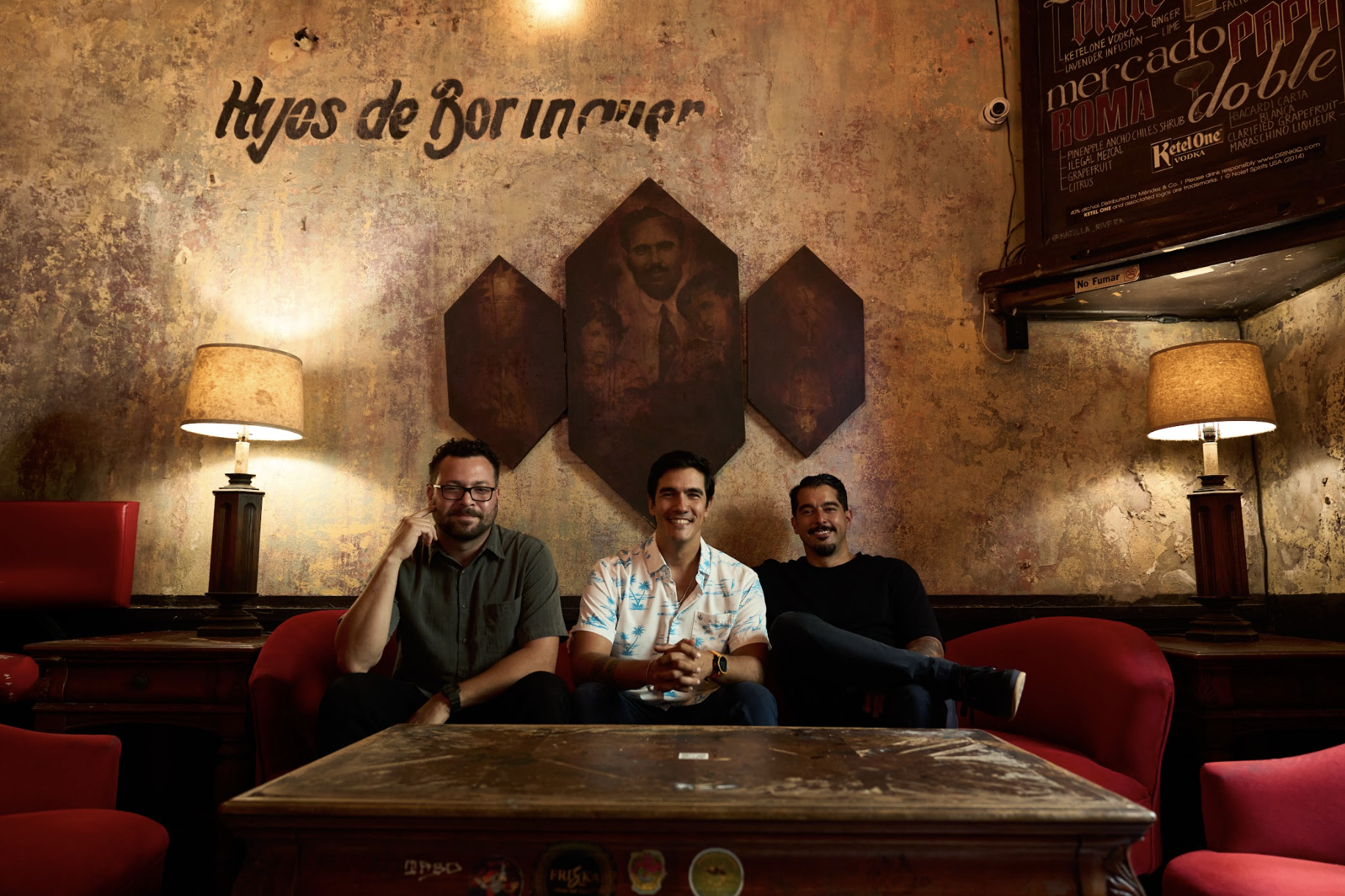
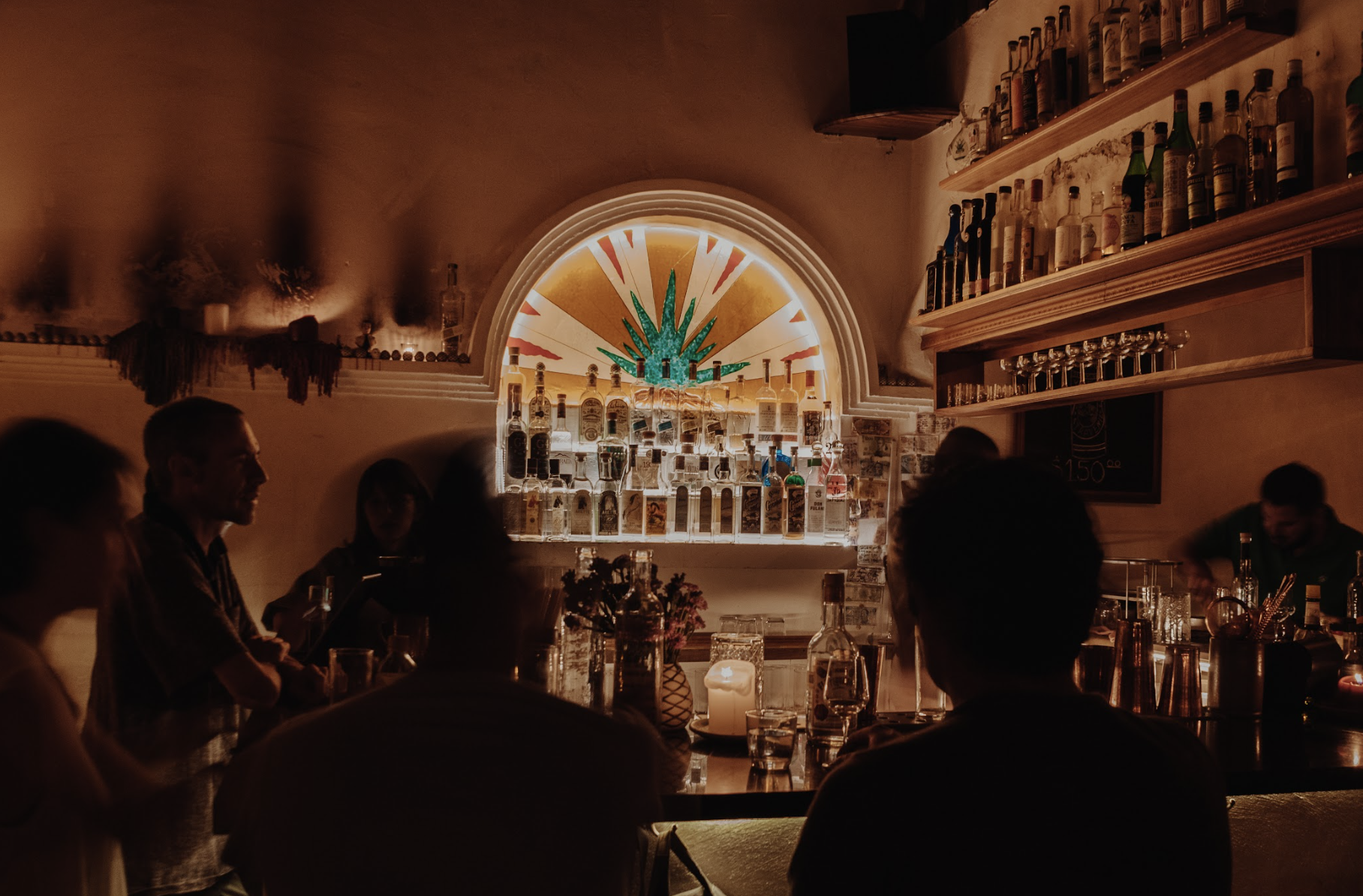
Photo: La Factoria
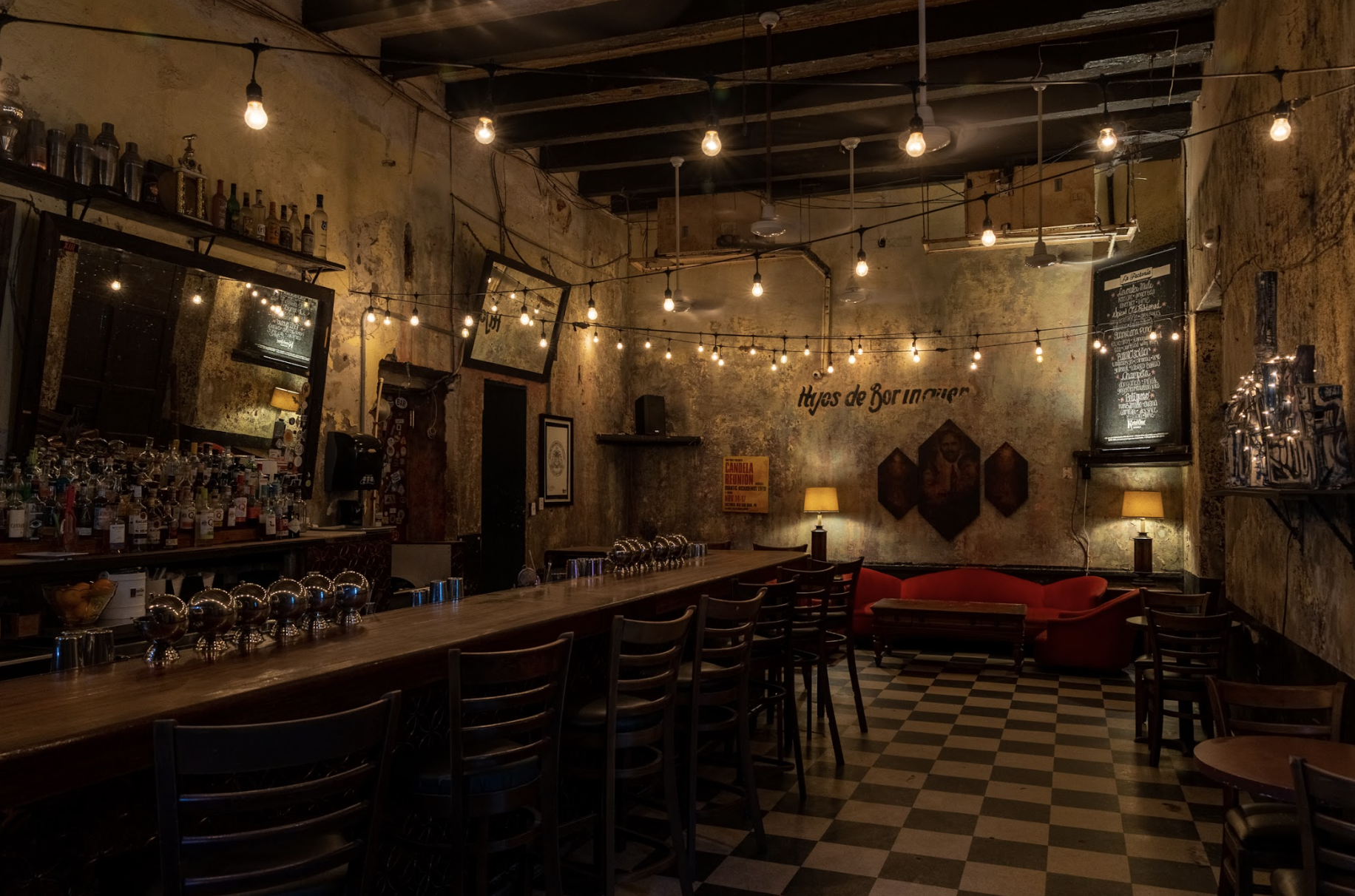
Photo: La Factoria
Reading People
That instinct does not look the same everywhere. Across cities, bartenders describe different approaches not as preferences but as responses to the environments they work in.
In some places, speed is part of the experience. A quick, efficient exchange signals awareness. In others, taking time is the point, where conversation becomes part of how the drink is crafted.
What reads as attentive in one setting might feel excessive in another.
The skill is not just reading the individual, it is understanding the context around them and how people expect to be approached in that space.
Carlos Irizarry of La Factoria in San Juan sees this as part of how the space itself guides behaviour.
“La Factoria evolved from one bar into eight rooms by following what people responded to. Each space has its own energy, but they’re all connected—it’s about letting guests move through the experience and find their rhythm, while the hospitality adapts to them.”
You see the same thing in meetings or negotiations, where the ability to read the room and adjust accordingly is a skill crafted through experience.
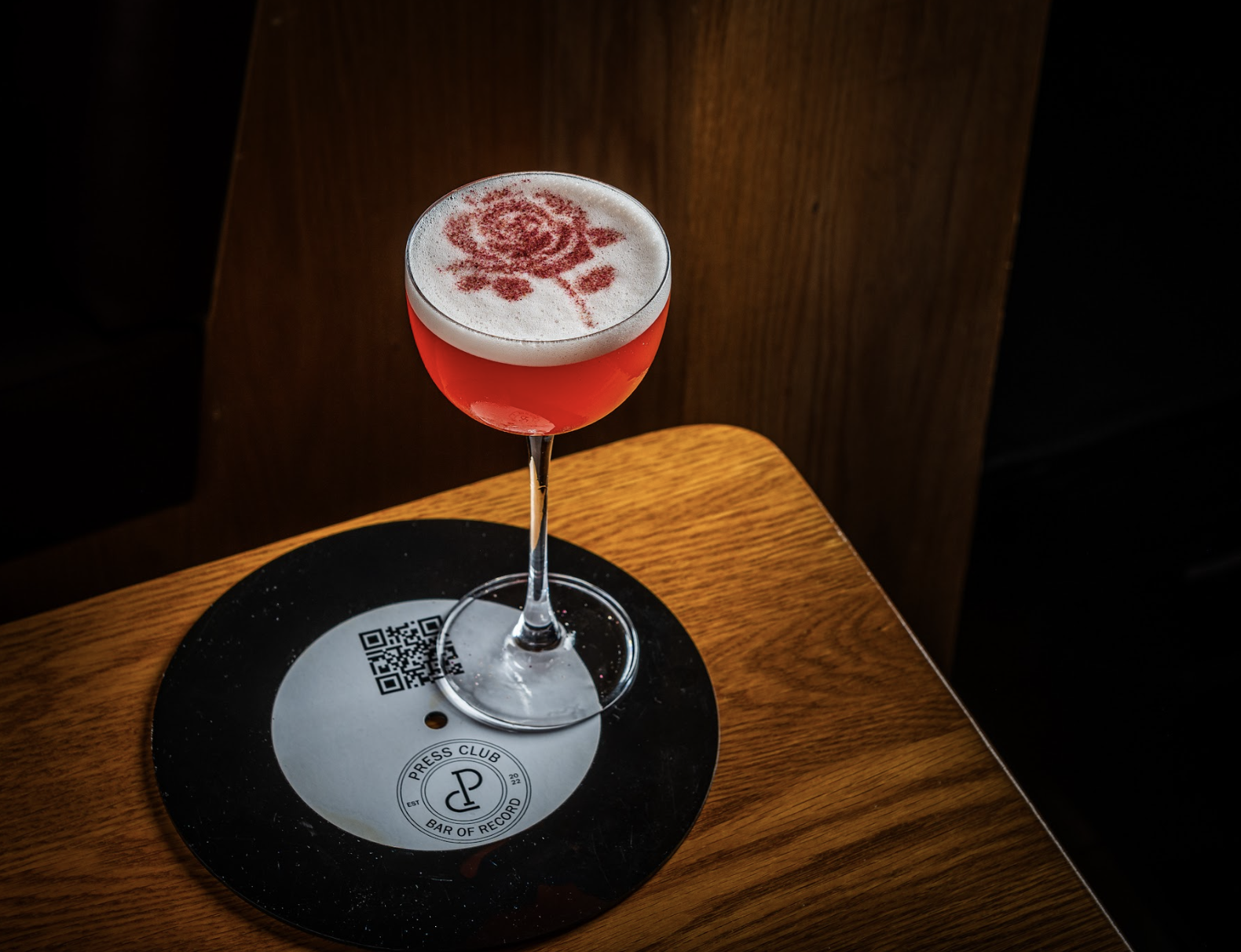
Photo: Press Club
Photo: Press Club
Invisible Hospitality
A lot of what defines a strong bar experience isn’t obvious in the moment. It is in the pacing of drinks, the timing of check-ins, and the decision to engage or not.
A bartender might slow things down for one guest and keep it moving for another. They might start a conversation or intentionally avoid one.
These decisions are not random. They are continuous adjustments based on how the guest is responding.
Because of that, the experience rarely feels managed, even though it is.
Franklin Sahlhoff of Press Clubin Washington, D.C. describes this as translating a fine dining mindset into something more intimate and fluid.
“Press Club is really about translating a fine dining foundation into a more intimate space—where creativity and care shape every detail. The kind of hospitality we aim for isn’t always obvious, but you feel it in how effortlessly everything flows, and in how naturally each guest is taken care of.”
In any professional environment, this often shows up as timing. When to step in, when to hold back, when to push. The best leaders, like the best bartenders, make those decisions constantly but rarely make them visible.
Photo: El Gallo Altanero
Belonging
The best bars do not rely on familiarity to create a comfortable environment. Instead, they create a sense of familiarity, of being understood.
A bartender remembers a preference or picks up on one quickly. The tone of the interaction matches the guest without feeling forced. The experience feels specific, even in a crowded room.
For Alejandra de Aguinaga of El Gallo Altanero in Guadalajara, that feeling is deeply tied to place and intention.
“For us, El Gallo Altanero is a love letter to agave and to Jalisco. Every pour carries a sense of place, culture, and community. It’s something we’ve built together, and we’ve always wanted it to feel personal—like hospitality is being shared, not just delivered.”
It is not something that is pointed out or emphasized. But you notice it in hindsight, and how little effort it took to settle in.
Research by Yoon, Peck, and Shu (2025) in Cornell Hospitality Quarterly found that when guests feel a sense of ownership over an experience, their connection to it deepens even beyond satisfaction.
This is what strong brands and leaders aim to create: not just familiarity but a sense of being understood without having to explain yourself.
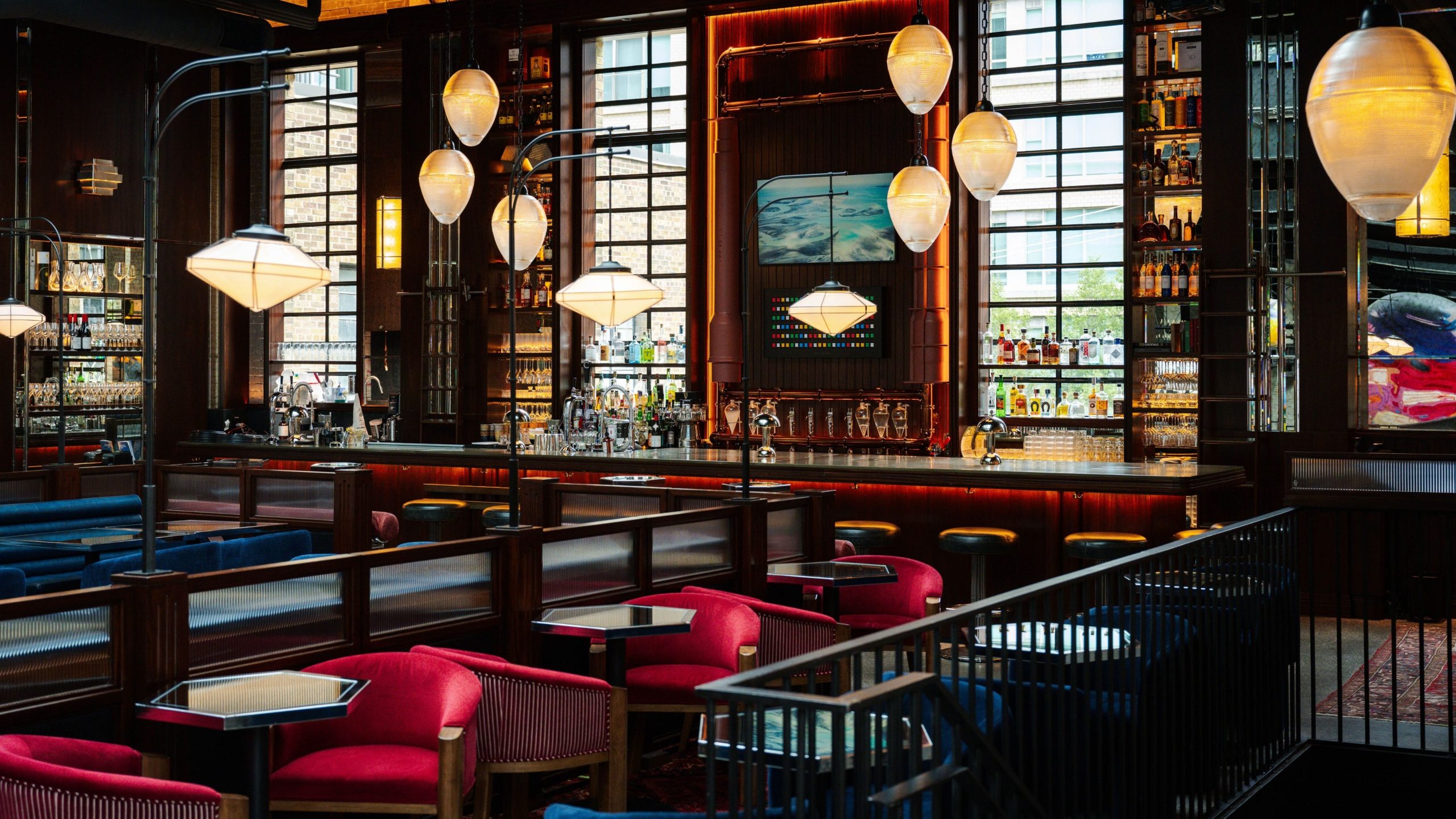
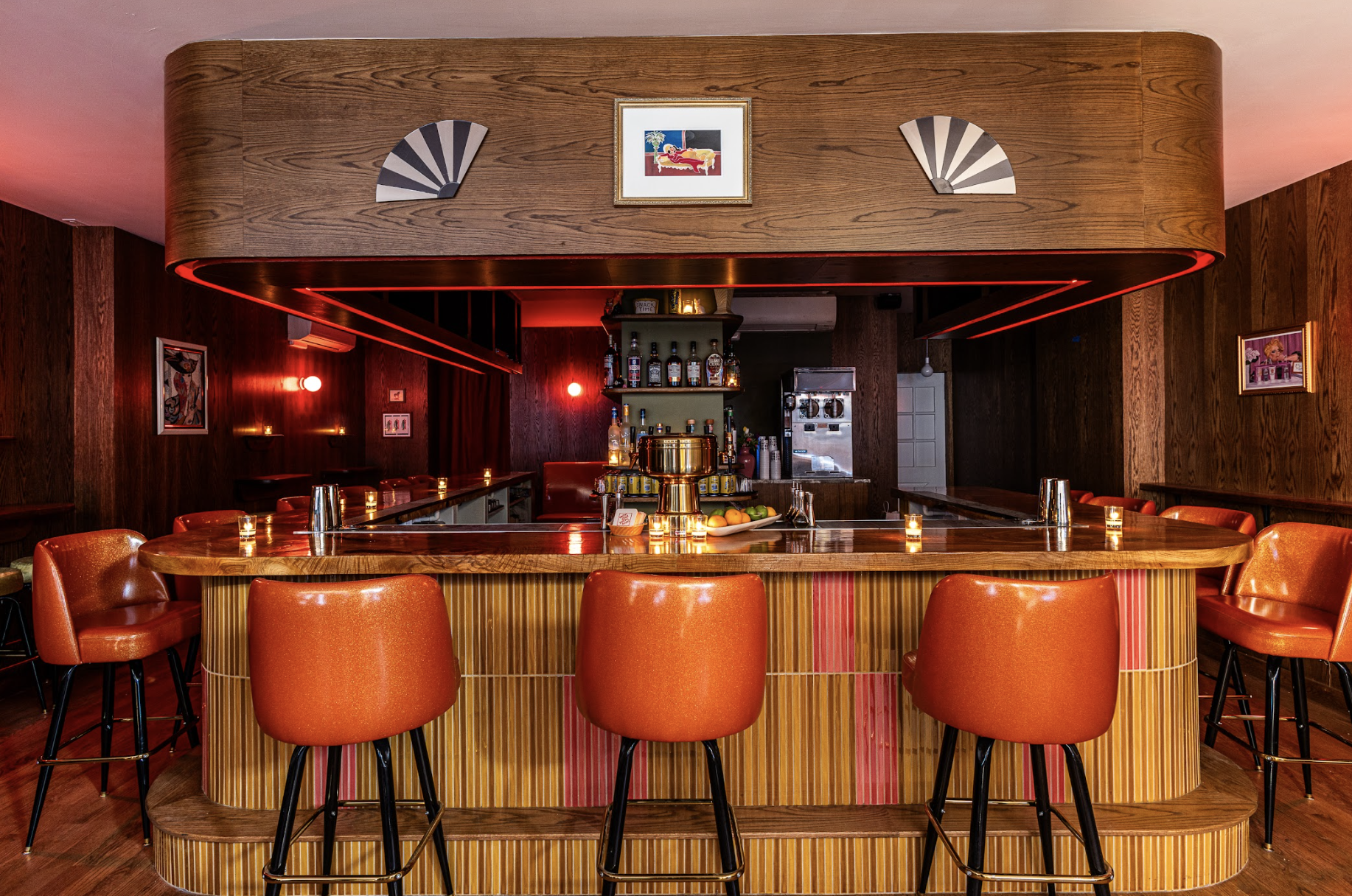
Photo: Bar Snack
Designing the Experience
At the highest level, these interactions are not accidental, they are designed.
Rob Crowe of Bar Snack in New York sees this as foundational to how great bars operate.
“For us, Bar Snack is about intention. Great bars aren’t just made—they’re designed. Every detail, from the welcome, to how a drink is placed, is considered. The menu may change, but the experience should always feel seamless and entirely guest-focused.”
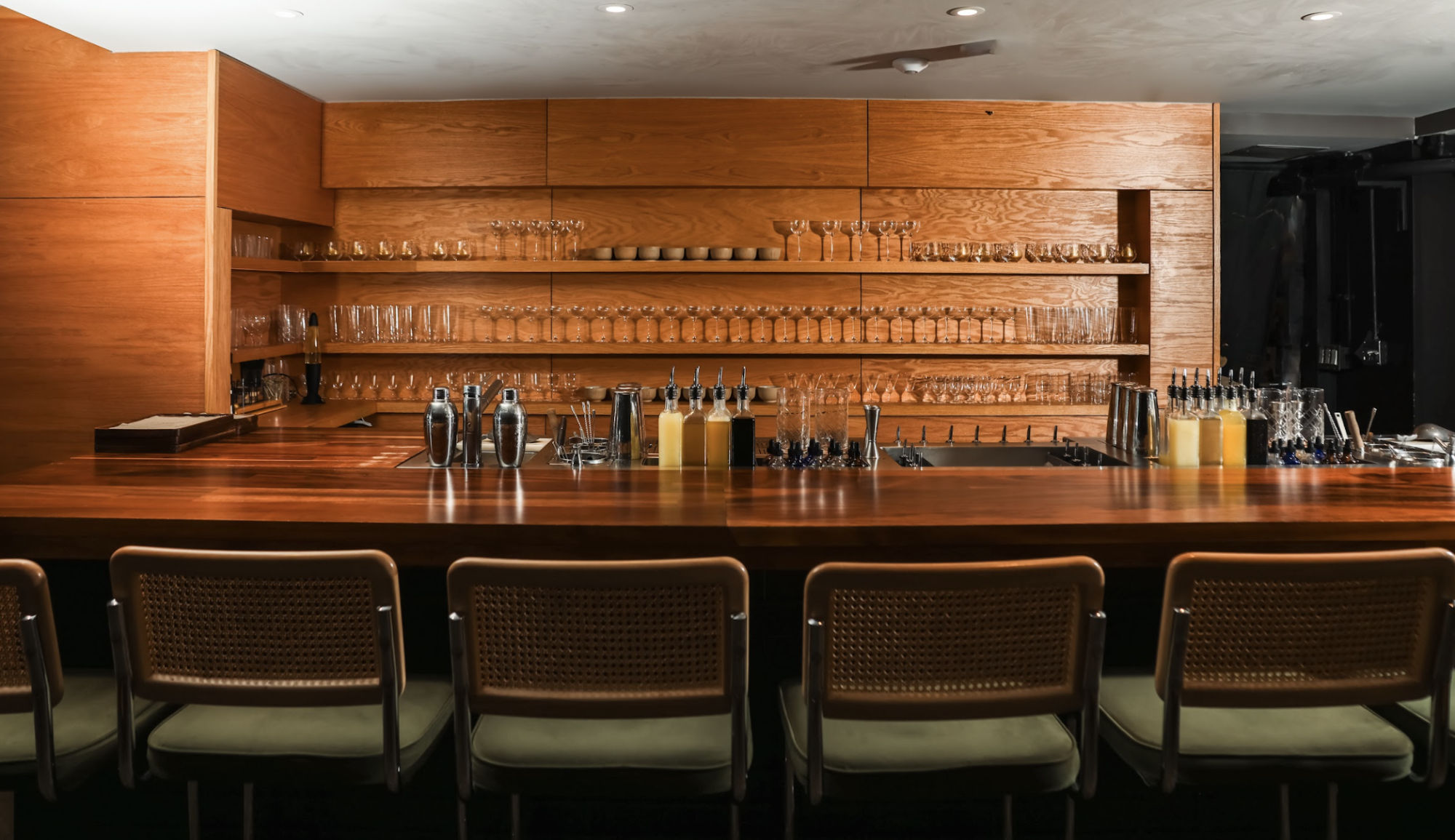
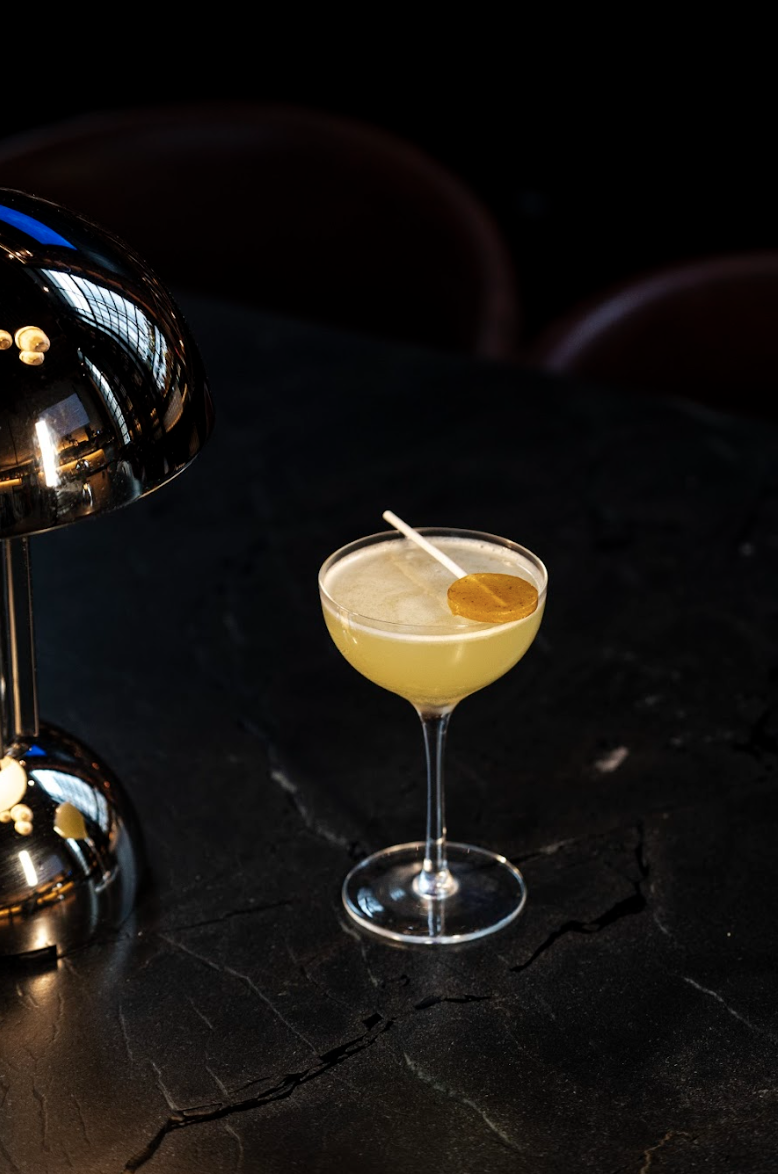
That same balance between structure and creativity is something Toronto-based operators Elise Hanson and Andree Moore of Civil Works and Civil Liberties actively navigate.
“It’s always a balance. There’s the creative side—where ideas are pushed and challenged—and then there’s the responsibility to deliver something consistent every time. Those two don’t always align naturally, and we do go back and forth. But that’s part of the process. When it comes to the team, the focus is on finding that middle ground—making sure it’s not overly technical, but also not so creative that it loses structure. It has to feel considered, but still personal.”
What feels effortless to the guest is often the result of that tension being carefully resolved behind the scenes.
Photo: Civil Liberties
What This Reveals
What bartenders at this level are doing extends beyond hospitality. They are reading behaviour in real time, adjusting without overcorrecting, and creating experiences that feel intuitive, even though they are built on constant observation.
This is a skill that requires something simple, but rare: sustained attention to people.
And in most professional environments, that level of awareness isn’t the standard. In the best bars, it is.