Ask Astrid: What You Should Know About Dinner Party Etiquette
By Astrid-Maria Ciarallo·November 19, 2024
Ask Astrid is a monthly advice column focusing on the modern rules of engagement and aims to help individuals navigate social scenarios with respect and consideration.
‘Etiquette’ is a loaded word. Does it really matter? Do you really need to care? What really is it, anyway?
We are long past the Bridgerton era and the stuffy and archaic ways of thinking about it. No longer is etiquette about how you hold your fork, but, rather about how you make people feel. Etiquette can help reduce misunderstandings and confusion in social situations, making everyone feel comfortable and respected.
At the core, it is about being thoughtful and considerate of other peoples’ feelings. We rarely remember details of events long after they happen, yet we always remember how we felt.
We have all experienced dreaded social interactions and moments where we are left unsure of what to do or say. It feels like time stands still in these situations. Etiquette is also about minimizing awkward and cringe-worthy moments and showing respect. Putting yourself in someone else’s shoes and trying to make others feel comfortable is never out of style.
The intent of this new column is to touch upon some of the social interactions we encounter in our everyday lives.
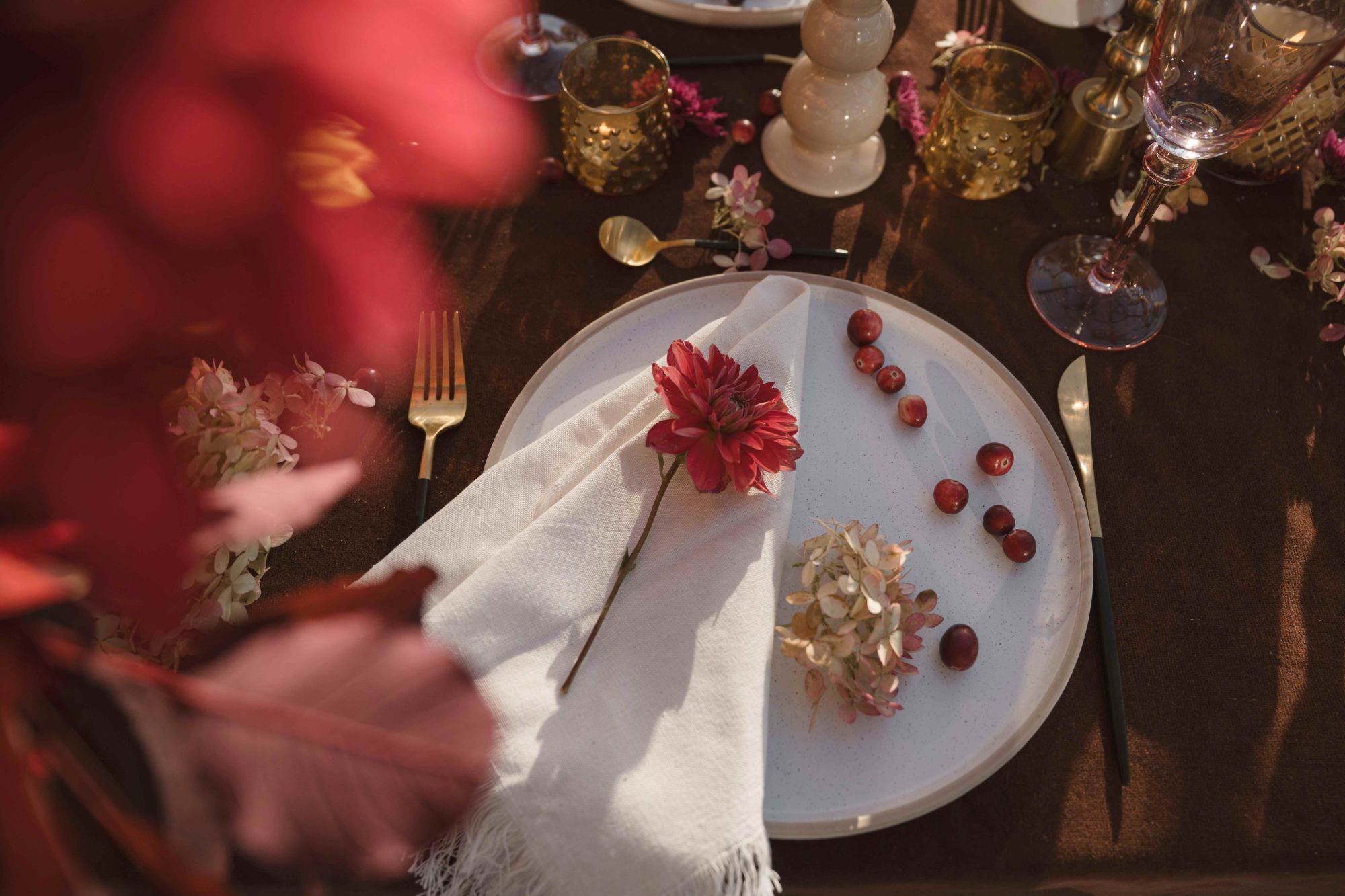
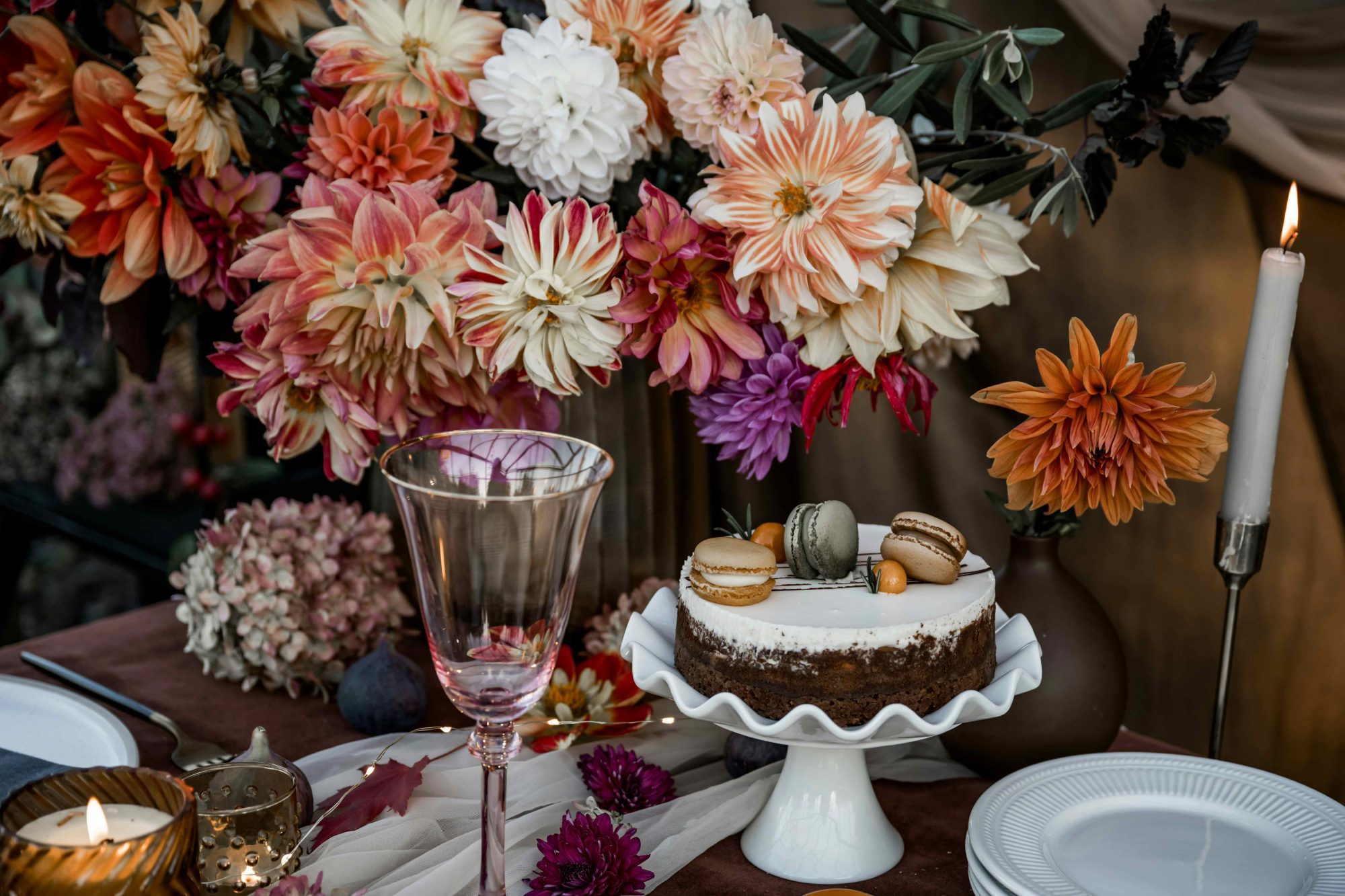
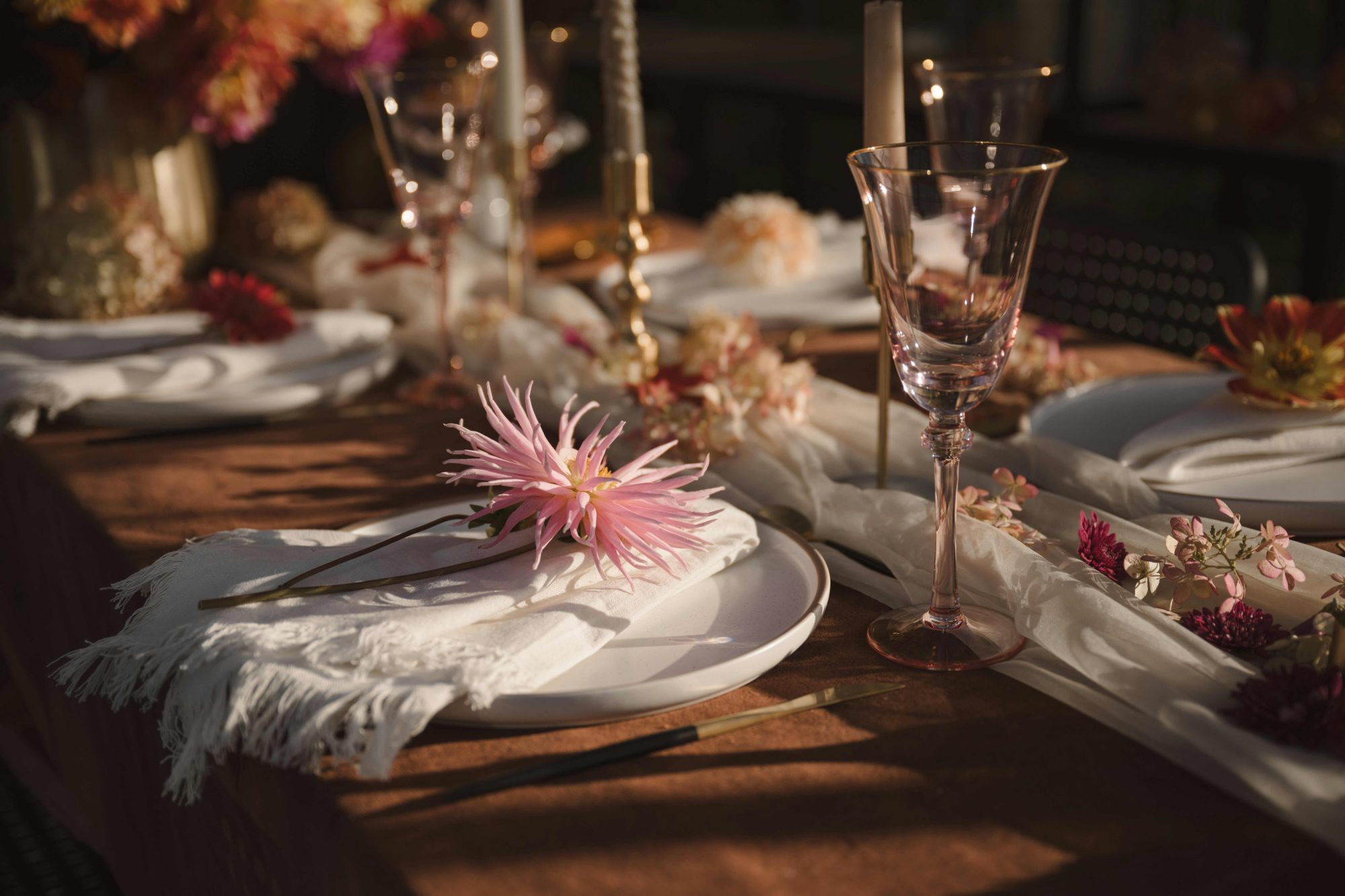
Let’s get into it! Whether you are a host or a guest of a dinner party, the same sentiment applies—you want to make people feel comfortable around you. Hosts are curating a gathering where they want people to feel at ease in their home while guests have an integral role to play as well.
Here are some dos and don’ts for the next time you host or are a guest in someone’s home.
Hosts
A host’s main goal is to create an enjoyable, comfortable, and welcoming experience for everyone. The best hosts try to anticipate guests’ needs in advance, from the room's temperature to a fully-stocked washroom—all with the goal of comfort in mind.
Do
Communicate: Ensure that your guests are informed about the timing, location, directions, and any other relevant details like the dress code. If it’s casual, share that so your guests aren’t worried about what to wear. It is also helpful to set expectations about whether it is a full meal, light meal, etc. Something else to consider is whether you tell guests who haven’t been to your place before if you have any furry friends.
Dietaryrestrictions: Ask guests in advance if they have any food allergies. If there are shared dishes, it is helpful to let those with restrictions know which items they can or cannot eat. People with allergies often feel like a bother, especially if they’re the only ones. Help them feel welcome and comfortable.
‘May I bring anything?’ If your guests ask if they can bring something, decide whether you are going to say yes or no to those offers. If you say ‘yes’, it’s best to be very specific with people about what you’d like them to bring, like a dessert or a vegetable side dish.
Think about the social dynamics: Should you have a seating chart? Do people know each other? Decide whether you want to pre-plan seating arrangements for the meal. It’s quite common in the UK to separate partners and close friends during meals so that guests engage with each other and have in-depth conversations outside of their immediate circle. If you do have a seating chart, consider common interests, etc. when preparing the plan.
Engage: While you are hosting and have many tasks to do, the most important one is being present with your guests and making them feel at ease.
Avoid a Cinderella moment: The fact that people are still lingering long after the meal is a testament to a great time. If guests aren’t getting the hint that you’d like to wrap up, it’s absolutely fine to start saying ‘thank you for coming’ and gesturing that it’s time to go through cleaning up, modifying the lighting, etc.
Don’t
Don’t break rule number one: Your main role is to make people feel comfortable and at ease, and to have fun.
To pour or not to pour: Don’t assume that everyone is drinking alcohol and have non-alcoholic options available. There are various reasons people don’t want to drink. Asking why or pressuring someone to drink is a no-fly zone.
Restrictions: While you should not completely alter the meal for someone’s dietary restriction, if a guest has let you know of one, be mindful and have an option for them. Or, alternatively, communicate with them before in case you need clarification or you’d like them to bring something specific.
Taboo at the table?: What do you do if some of your dinner guests start arguing over politics or other heated topics? While open discourse is part of a vibrant democracy, it is important that no one feels personally attacked. If a conversation is starting to head in the wrong direction and becoming uncomfortable, you can step in and try to redirect the conversation.
Homeward bound: Ensure that your guests have appropriate ways to get home.
Guests
Your role as a guest is about more than just showing up, it's about being engaged. The best way for a guest to show their appreciation for the time it takes to plan, organize, and execute a meal is to be present and in the moment.
Do
RSVP: Let the host know in a timely fashion if you’ll be there (or not). If you have food allergies or serious intolerances, it is best to tell your host when you RSVP (this is not about food preferences).
What to bring?: Ask if you can bring anything for the meal. If your host says ‘no’ and they have it covered, do respect that. Bringing a small, thoughtful gift for the host to say ‘thank you’ is appropriate and encouraged.
Timing is everything: Be punctual for dinner and arrive around 10-15 minutes after the listed start time. This is not the time to be early as the host will be putting the final touches on food and running around getting ready. The early bird does not get the worm in this case.
Appreciation goes a long way: Compliment the food and the effort your host has put into the meal.
Be engaged: Your role is to be an active participant in the meal and evening. Have conversations with others and ensure that you’re talking to everyone seated around you during dinner. If you see that someone is being left out of a conversation, be sure to include them. It is best to not wade into controversial topics like politics or religion, especially if you don’t know the other guests well.
A helping hand: Offer to help, but if it’s declined, then your role is to enjoy your time and be present with other guests.
Don’t
Don’t be a Carrie Bradshaw: Do not assume you can keep your shoes on. I know that shoes are often a part of an outfit, but this is not where you want to leave a bad impression. Take a cue from looking at what others are doing, or if there is any confusion, just ask.
Don’t be the paparazzi: Put your phone aside and enjoy the company. Be mindful and respectful of taking photos and videos of people’s children and home. Always ask before posting any photos that include children. Do not post photos of front yards, address/street, or anything clearly identifiable, including valuables that may be on display in the home. Respecting privacy is extremely important for many reasons, including safety and security.
Leave negativity at the door: Remember that it’s not a restaurant. It’s possible that the meal may not be your first choice but it’s best to keep that to yourself.
Expectations: Bringing an edible item or wine as a gift for your host is a lovely gesture, but do not bring it with the expectation that it gets served. Yes, that means even if they’re the famous cookies you made from your grandma’s recipe. Your host has meticulously planned the meal and may choose to enjoy what you brought at a different time.
Flowers: If you bring flowers, consider bringing them as an arrangement in a vase instead of freshly cut and unarranged out-of-water. The host can just put them out on display versus having to go and cut and water them, find a vase, and arrange them while they’re prepping a meal and busy hosting. This can be time-consuming and shows that you’ve given it extra thought.
Ending the night: If it’s a smaller gathering, do not leave without saying ‘bye’ and ‘thank you’. If the host appears busy when you would like to leave, either wait a few minutes or go and extend your gratitude.
Don’t be the last one standing: Be aware of clues that say your host wants to wrap things up (the music gets turned off, the candles get blown out, a yawning host). Don’t overstay your welcome. Conversely, don’t bolt right after dinner. It’s best to stick around for awhile after the plates have been cleared unless you’ve let the hosts know in advance that you had to leave at a certain time.
These are some of the things to think about and consider the next time that you host or are a guest at a dinner party. While some of these scenarios don’t have steadfast rules, overall, context is key as it is all situation-based. Sometimes, you just have to read the room. The main sentiment and takeaway is to help create a comfortable environment for everyone and have fun, whether you’re a host or a guest.
Astrid is a modern etiquette expert who helps individuals and businesses navigate social and professional settings. Drawing on her experience working with royalty and global leaders, she offers a contemporary take on traditional etiquette to empower people to communicate effectively. She has contributed to Hearst publications globally on etiquette and has the Freedom of the City of London (United Kingdom). You can follow her on social media at @astridinpr.
Ask AstridEtiquetteFood and DrinkThe Upgradeupgradewomen who lead

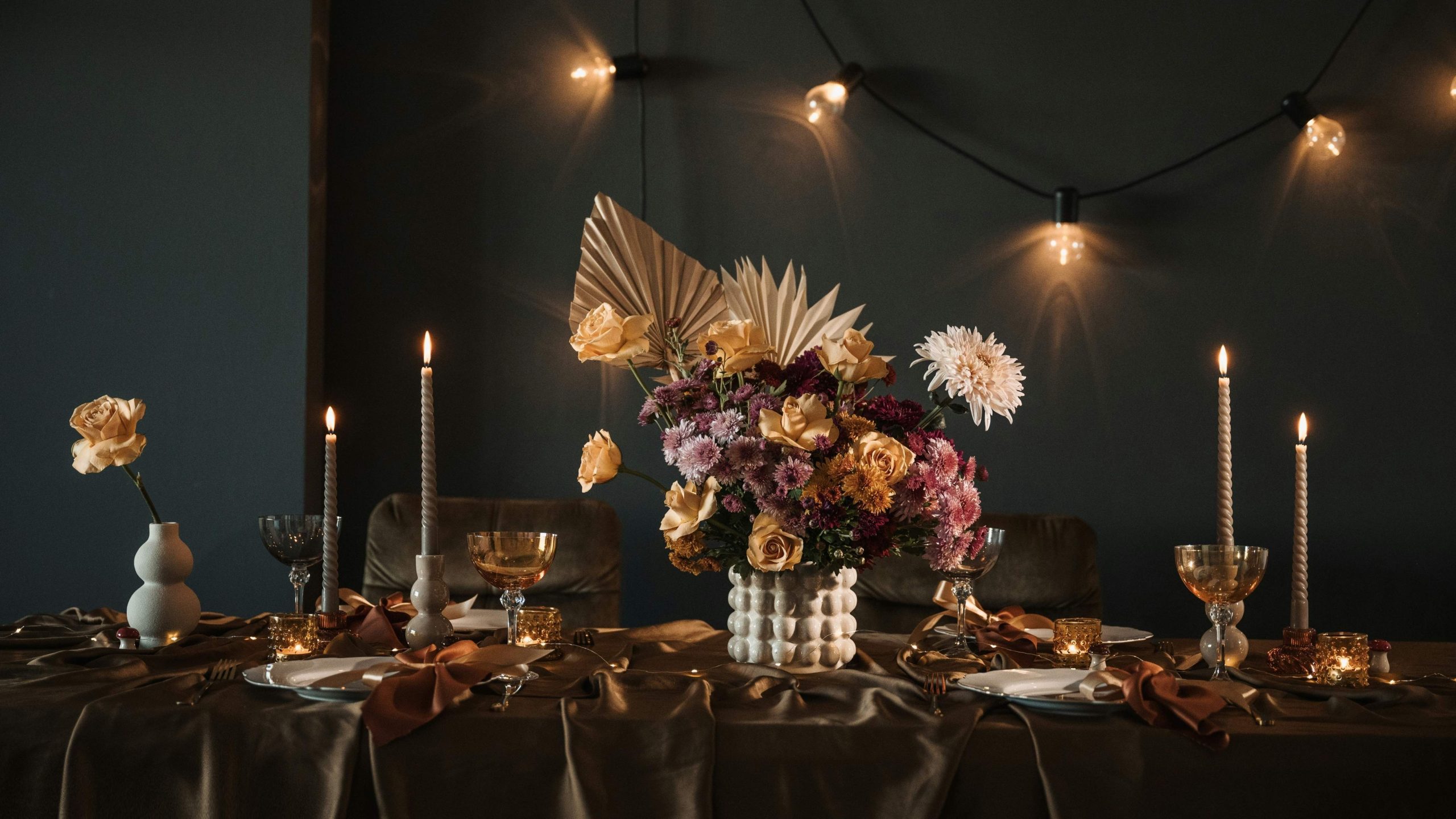

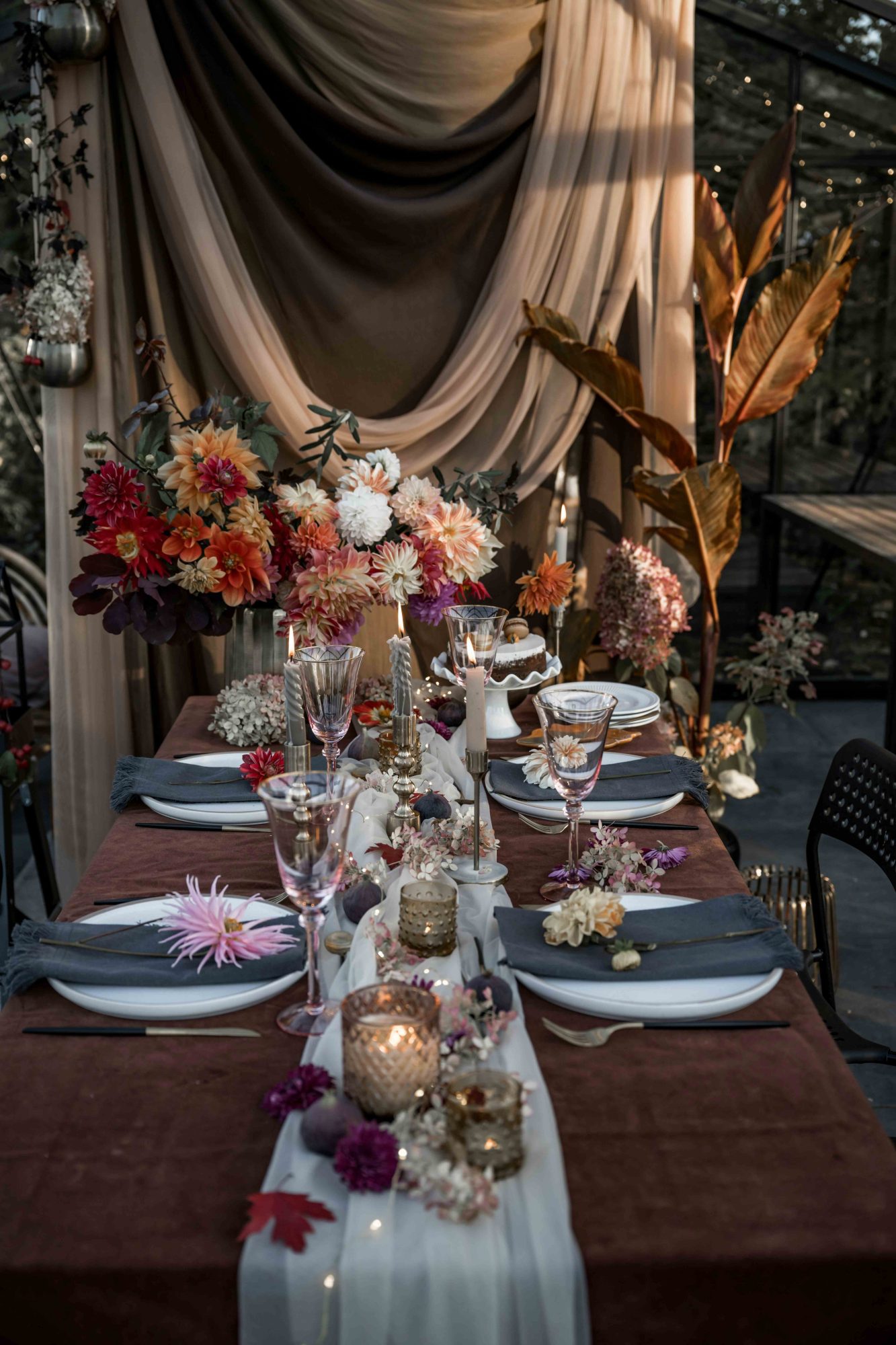 Let’s get into it! Whether you are a host or a guest of a dinner party, the same sentiment applies—you want to make people feel comfortable around you. Hosts are curating a gathering where they want people to feel at ease in their home while guests have an integral role to play as well.
Here are some dos and don’ts for the next time you host or are a guest in someone’s home.
Let’s get into it! Whether you are a host or a guest of a dinner party, the same sentiment applies—you want to make people feel comfortable around you. Hosts are curating a gathering where they want people to feel at ease in their home while guests have an integral role to play as well.
Here are some dos and don’ts for the next time you host or are a guest in someone’s home.