

Excellence is a trajectory. It’s the quiet resilience of breaking a barrier no one sees; the bold ambition to build what doesn’t yet exist. It’s the power to shift culture forward by showing up fully, loudly, and unapologetically as yourself.
GLORY’s Women of the Year celebrates the changemakers rewriting the rules of what leadership looks like in Canada and beyond. These are the boundary-pushers in sport, business, technology, art, activism, and community—women who don’t wait for permission to make an impact. They are driving new models of representation, building opportunities where none existed, and reshaping industries from the inside out.
Here’s to the innovators, the advocates, the creators, and the visionaries.
Here’s to the women of the year. Meet the below.
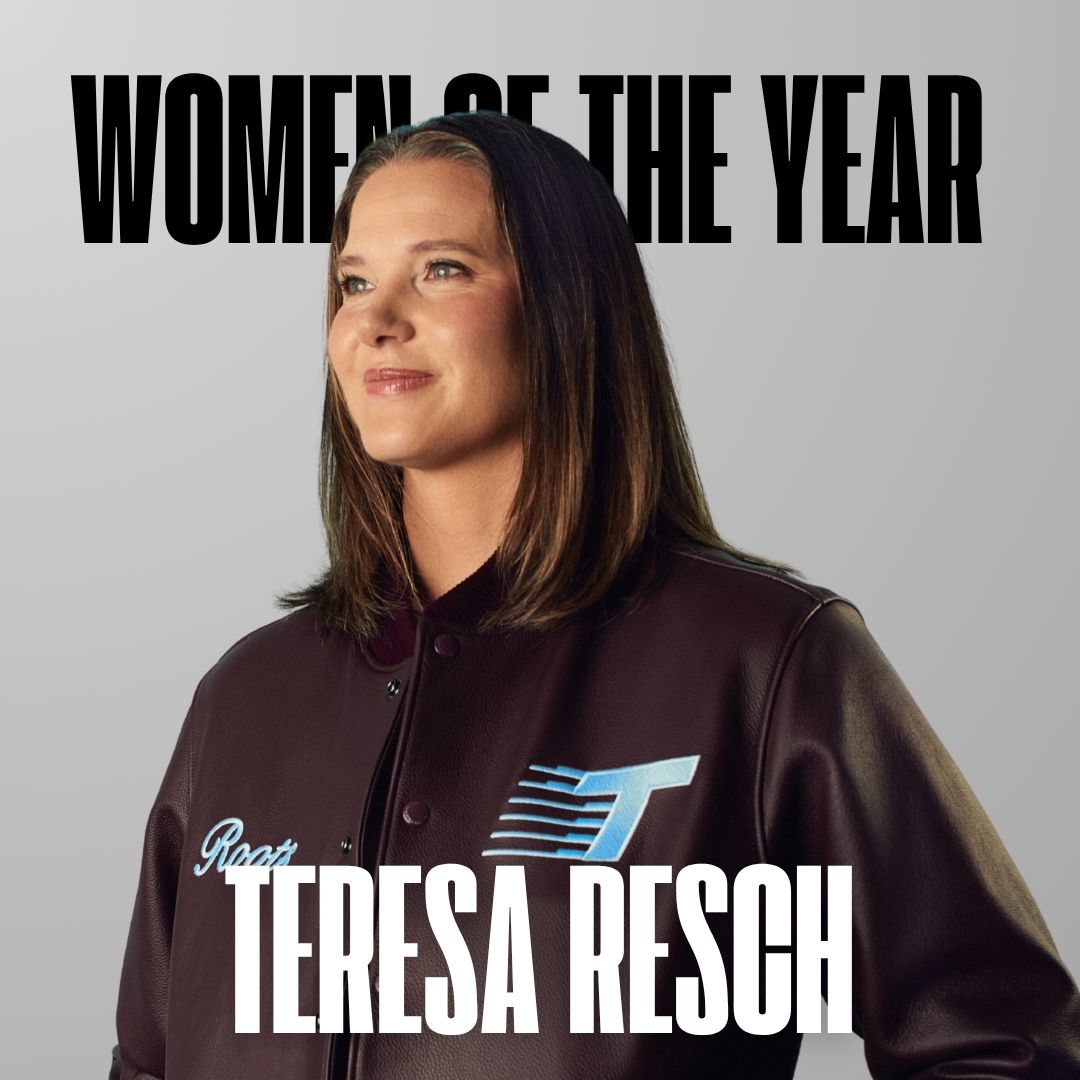
Teresa Resch (President, Toronto Tempo)
When Teresa Resch steps into a room—or, in this case, in front of the camera for a shoot—there’s a quiet magnetism that immediately draws you in. As president of the Toronto Tempo, Canada’s first WNBA franchise and the league’s first international expansion, Resch has been busy architecting not only her team, but a larger movement, establishing a blueprint for women’s professional sports in Canada that’s as ambitious as it is essential.
For Canadian sports fans, the Tempo represents a cultural milestone. “We’re Canada’s team,” Resch says, reflecting on the symbolic weight of a WNBA franchise landing north of the border. “This is something that’s never been done before,” she continues. “We plant our flag before we even have a single player.” That distinction is significant: Canada’s top female basketball talent will finally have a stage to call home, and the country’s growing basketball community will have a professional women’s team to rally behind.
Read Teresa's full cover story profile here.
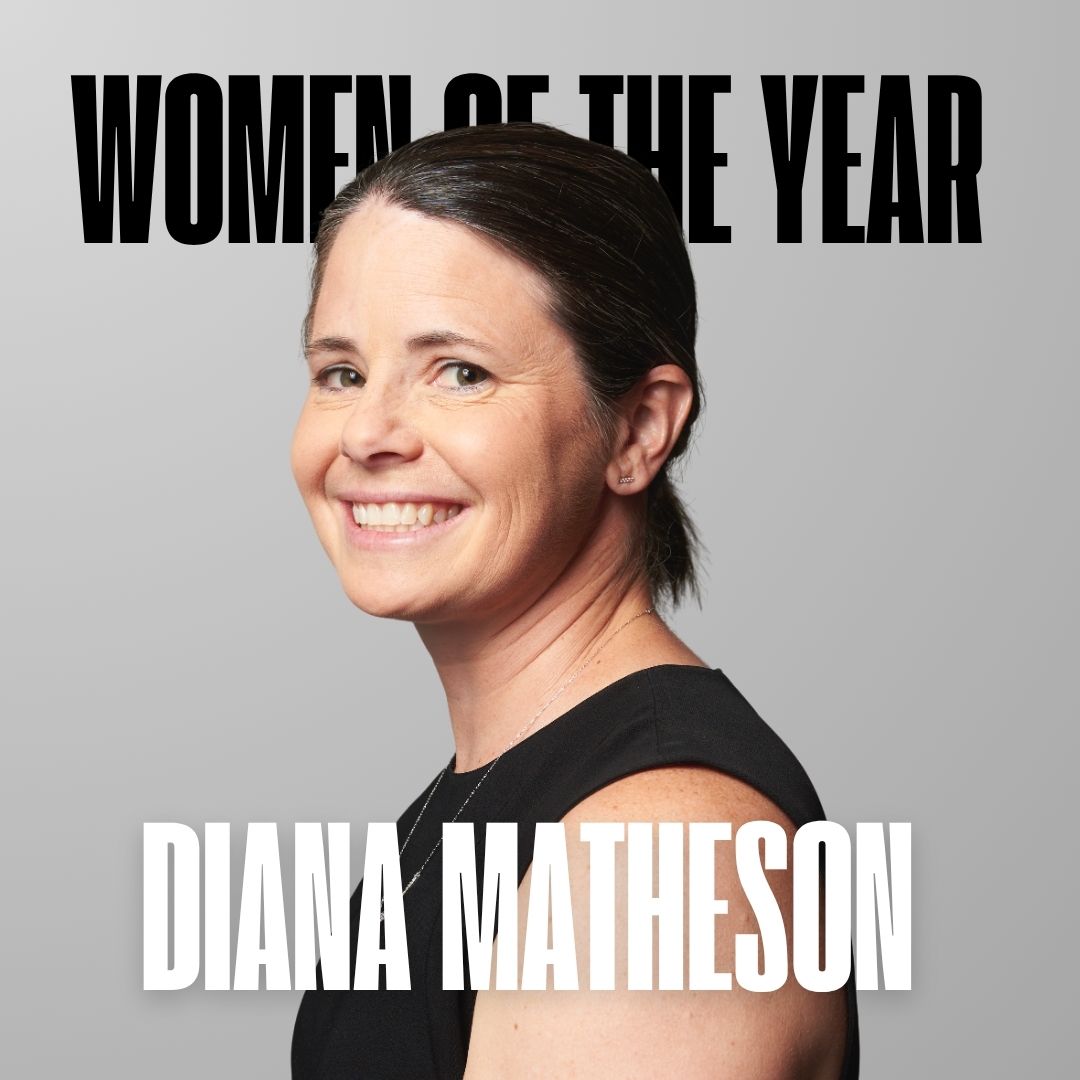
Diana Matheson (Co-founder, Northern Super League)
When Diana Matheson scored the bronze medal–winning goal at the 2012 London Olympics, the roar that followed was a catalyst. A single strike that changed how Canadians saw themselves in the world’s game. Suddenly, girls across the country could point to the television and say, that could be me. But Matheson’s story, as it turns out, was only just beginning.
A decade later, she’s at the centre of another defining moment in Canadian soccer. As co-founder of the Northern Super League (NSL), Matheson has built what so many for so long said was impossible: a professional women’s soccer league of our own. “It still feels surreal,” she says. “When I was growing up, I didn’t dream of playing professionally. It wasn’t even an option. You didn’t see it on TV.”
The idea of creating a league came to her after retirement, when she realized no one else was truly working to make it happen. “Everyone kept saying, ‘We’ll start in two years,’” she recalls. “And that’s what I’d been hearing since 2007. I didn’t want to regret not trying.”
So she did what great athletes do: she prepared. Matheson went back to school, earned her MBA, completed a program through UEFA, and began building the business case for women’s soccer in Canada. The numbers were irrefutable: third-largest player pool in the world, world-leading participation rates among girls, a national team that had proven itself on the global stage. Still, without a domestic league, Canada was the outlier. “We were one of only two countries at the 2023 World Cup without a women’s pro league,” Matheson says. “It was time.”
The NSL was born out of that conviction—a belief not just in Canadian talent, but in the economic and cultural power of women’s sports. “Women’s sports are being treated as a business for the first time,” Matheson explains. “We finally have data, we can finally show why it’s a good investment and a growth industry.”
The league’s championship trophy will bear her name: the Diana B. Matheson Cup. She didn’t ask for the honour, but it’s fitting. It’s a symbol of everything she’s stood for: excellence, perseverance, and a belief that sport can change the cultural fabric of a country. Across all six clubs, there was no debate: the cup had to carry her name.
It’s also a symbol of the movement that Matheson helped build; one rooted in collaboration, community, and courage. That ethos extends far beyond the field. Matheson, who is openly queer, shares her life and leadership journey with her partner, sports broadcaster and Olympian Anastasia Bucsis. Together, they’ve become one of Canadian sport’s most visible and inspiring couples, each carrying the weight of representation with grace and humour.
“Building the league has been all-consuming,” Matheson admitted at the 2025 GLORY Sports Summit earlier this summer. “There were so many nights we’d both wake up at 3:30 AM just staring at the ceiling, wondering, is this going to work?”
The answer, now, is yes. But it came with sacrifice: years of uncertainty, unrelenting pressure, and what Matheson calls “a little bit of delusion.” “You have to be slightly delusional to build something that doesn’t exist,” she laughs. “There’s so much noise, so many opinions. You just have to stay focused on the vision.”
That vision is already reshaping the landscape of sport in Canada. The Northern Super League is laying the groundwork through infrastructure, opportunity, and visibility. And for queer athletes, players of colour, and future generations, it’s a place that reflects the world as it should be. “We have work to do,” says Matheson. “But women’s sports come from a place of being excluded, ourselves. There is an understanding that we have to make space for others.”
That commitment to inclusivity and collaboration is what makes this era of Canadian sport feel different. “I can call anyone in women’s sports—hockey, basketball, soccer—and they’ll pick up the phone,” Matheson says. “We all want to see this grow. It’s a team effort across leagues.”
For Matheson, legacy is less about accolades and more about ensuring the work outlives her. “I don’t want to still be doing this in twenty years,” she says, smiling. “I want this league to thrive on its own—to be something that lasts for generations.”
And when the first Diana B. Matheson Cup is lifted into the airr, it won’t just mark the crowning of a champion—it will be the realization of a dream she dared to build herself. The movement she started is no longer theoretical. It’s here. It’s alive. And it’s only the beginning.
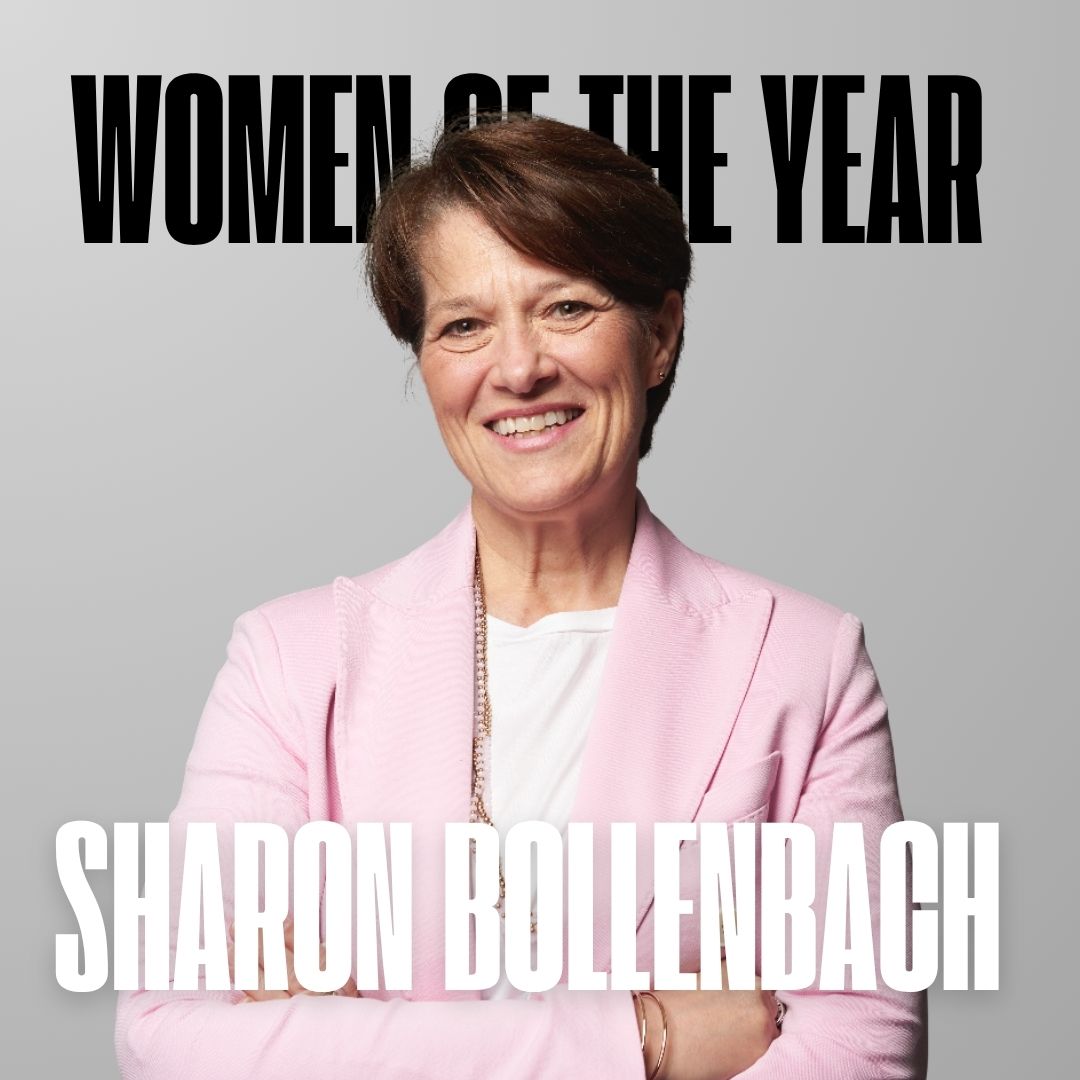
Sharon Bollenbach (Executive Director, FIFA World Cup 2026 at City of Toronto)
When the FIFA World Cup 2026 arrives on Canadian soil, the eyes of the world will turn to Toronto. At the center of this immense undertaking is Sharon Bollenbach, executive director for the City of Toronto’s World Cup operations—a role that blends vision, strategy, and relentless execution. “The scale of this event is just unbelievable,” Bollenbach says. “It’s the biggest sporting event that this city has ever seen.”
For Bollenbach, the World Cup is, of course, an operational challenge. But more importantly, it’s a chance to leave a legacy. From coordinating city services to ensuring fans from around the globe experience Toronto at its best, every detail falls under her watch. “There are so many moving parts—everything from security, transportation, fan experiences, to coordination with FIFA,” she notes. “It’s all happening at once, and it all has to work together seamlessly.”
The pressure is enormous, but so is the opportunity. Bollenbach is acutely aware that this is a once-in-a-lifetime moment for the city and the country. “We’re building something that Canadians—and people around the world—will remember,” she says. “There’s no room for error, but that also makes it exciting.” She speaks with the calm intensity of someone used to high stakes: every decision carries weight, every plan is meticulously crafted, and yet she remains focused on the bigger picture.
Part of the challenge is scale, and part is coordination. “Working with multiple stakeholders is both the hardest and most rewarding part,” Bollenbach explains. “You have the city, provincial partners, federal partners, FIFA, local communities, and fans themselves. Keeping everyone aligned, motivated, and informed—it’s an incredible balancing act.”
Bollenbach also understands the symbolic importance of the event for Canadian sport and culture. “Hosting the World Cup isn’t just about the matches on the field,” she says. “It’s about showcasing Toronto, showing what Canada is capable of, and creating experiences that people will never forget.”
Despite the intensity, Bollenbach is motivated by the people around her. “The team we’ve built is amazing,” she says. “Everyone is committed to the same goal, and you can feel that energy every day.” She acknowledges the long hours and the immense responsibility but frames it through the lens of opportunity: “There’s pressure, yes, but this is why we do what we do. To make this historic.”
As Toronto prepares to welcome the world, Bollenbach’s leadership ensures that the city is not just a host but a stage for excellence. Her meticulous planning, strategic vision, and unwavering dedication are a reminder that behind every monumental sporting event is a leader who carries both its promise and its weight. “We’ve got a once-in-a-lifetime chance to get this right,” she says. “And we will.”
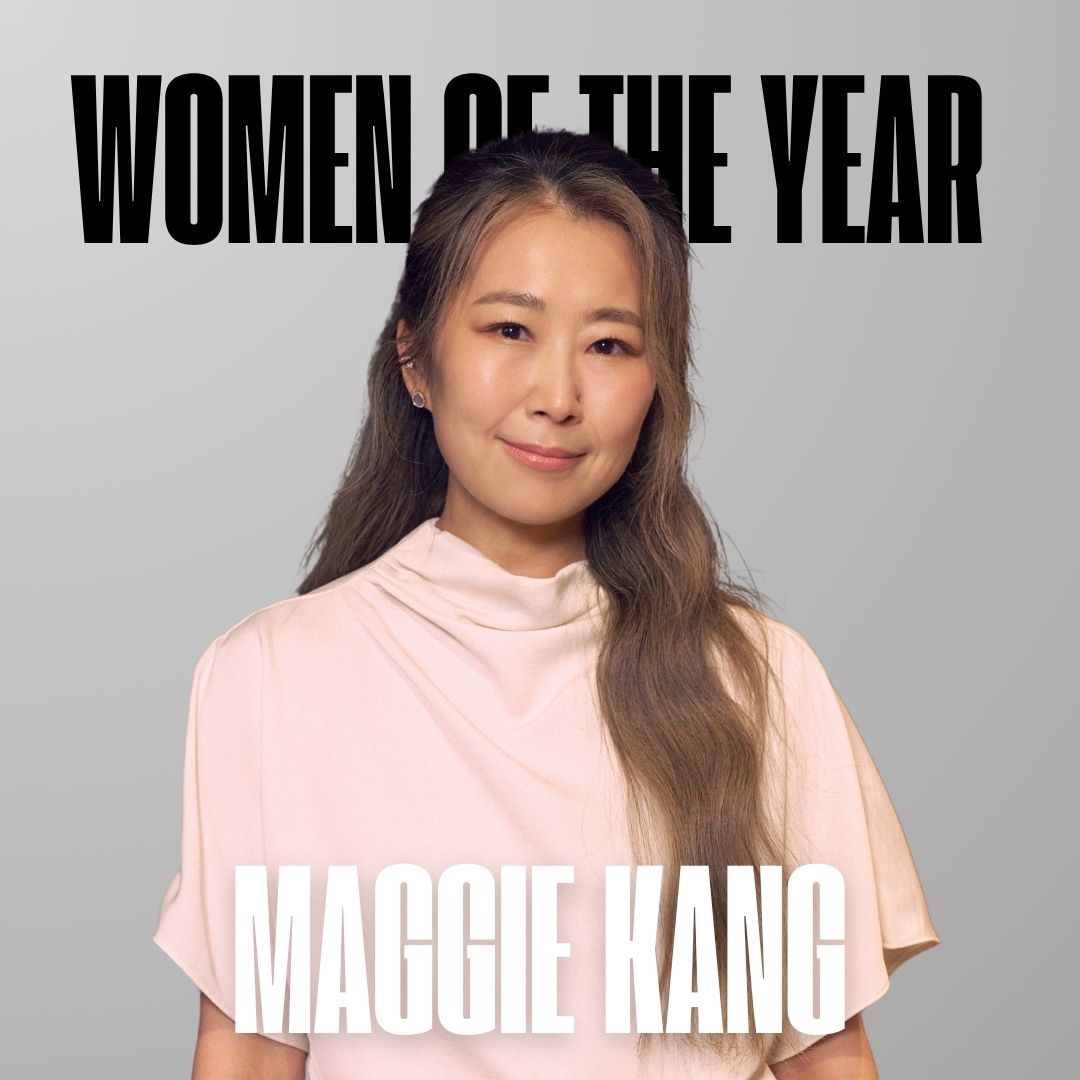
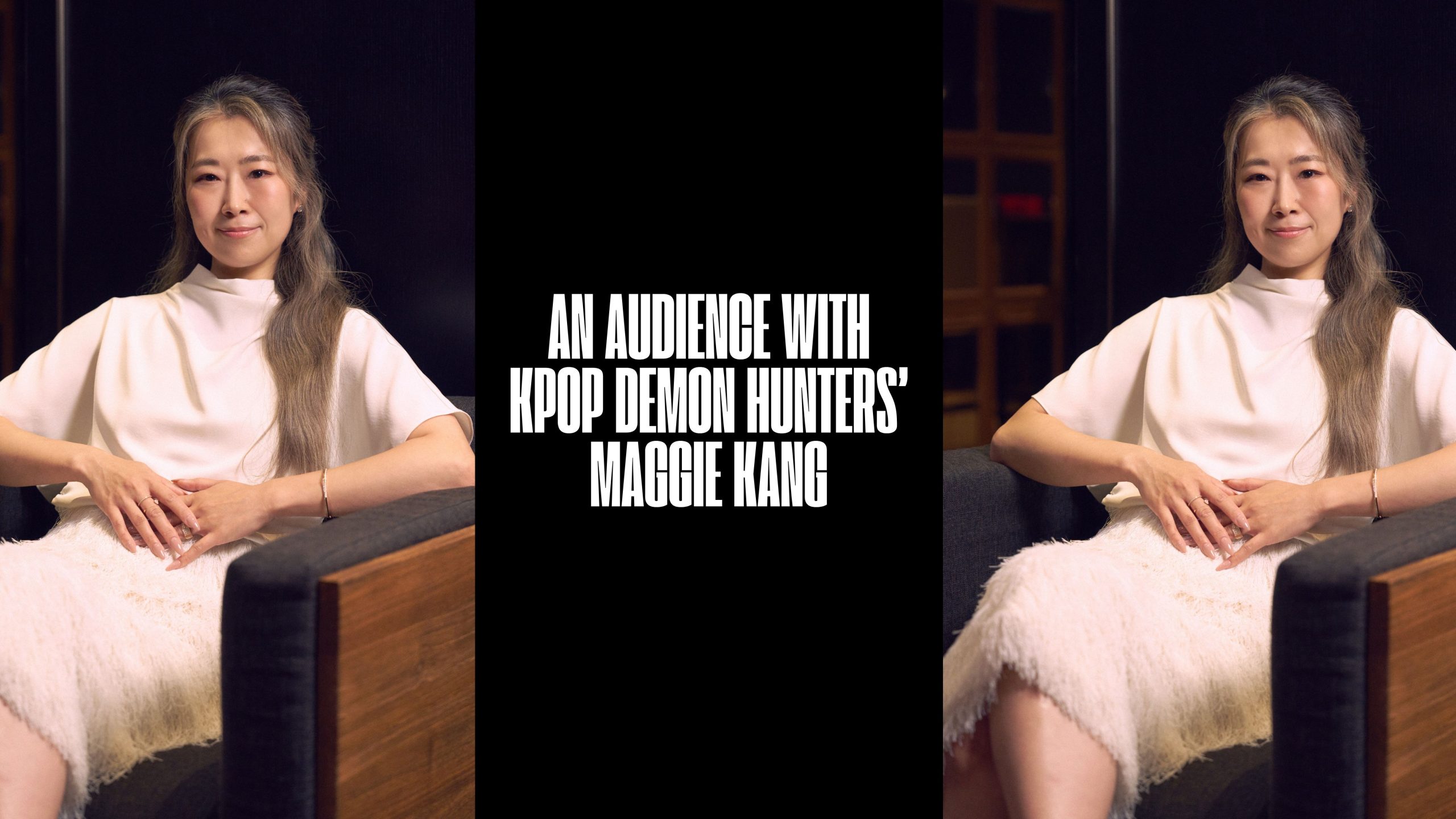
Maggie Kang (Filmmaker, KPop Demon Hunters)
When Kpop Demon Hunters dropped on Netflix earlier this year, no one—not even its director—expected it to become the most-watched animated film in the world. Within weeks of release, it shot to No. 1 in over 60 countries, logged more than 236 million viewing hours, and spawned one of the year’s biggest soundtracks, topping Spotify’s Global Album Chart and even toppling Destiny’s Child as the longest-running No.1 Billboard Hot 100 song performed by a girl group (HUNTR/X) for their platinum record, “Golden”.
For Korea-born and Toronto-raised filmmaker Maggie Kang, the film’s explosive success represents something deeper than box-office or streaming metrics. It’s a validation of a creative vision rooted in Korean culture, girl power, and the universal energy of K-pop—a genre she believes isn’t niche, but a global language of emotion, community, and identity.
Read Maggie's full profile here.
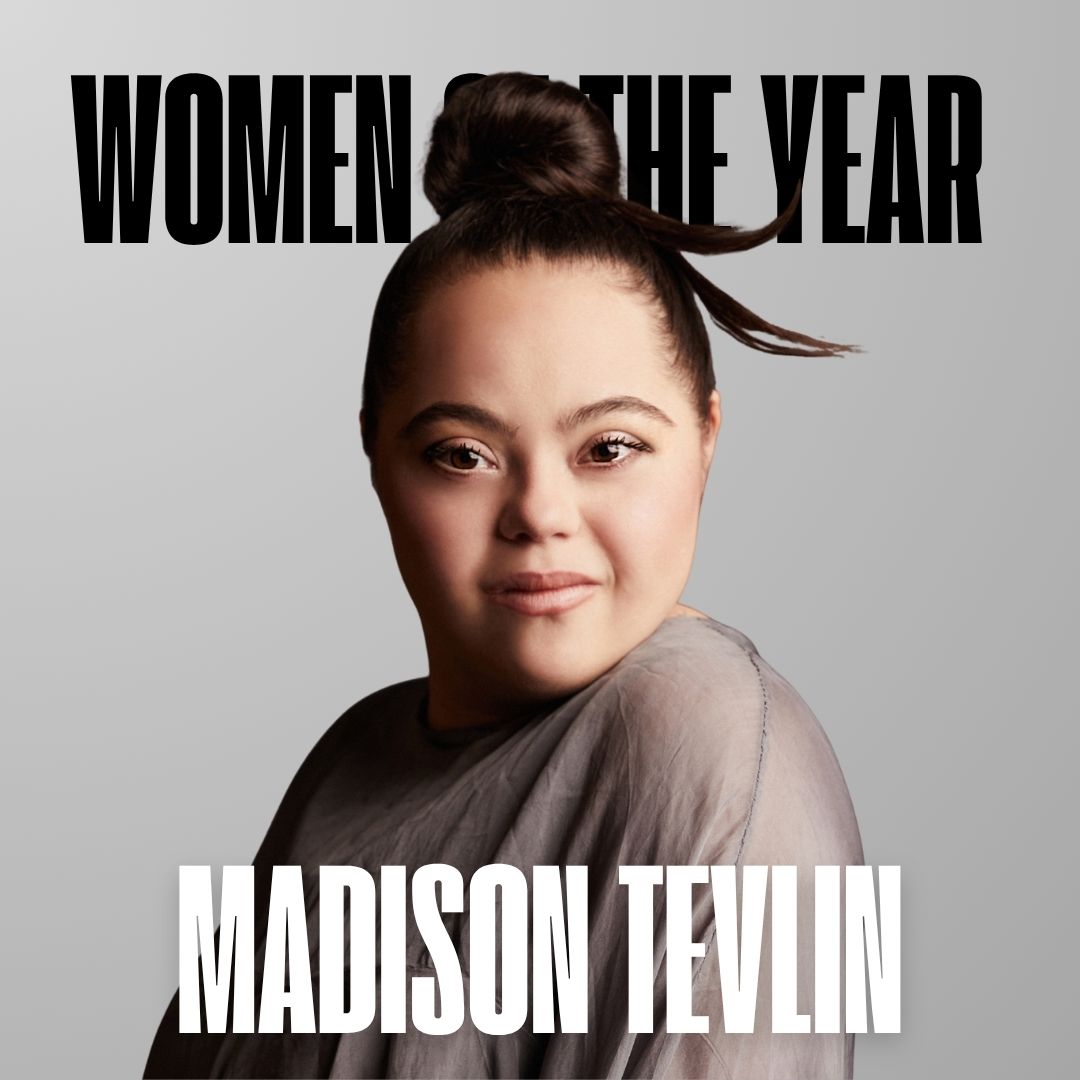
Madison Tevlin (Media personality, advocate)
When Madison Tevlin speaks, people listen. It’s not just because of what she says, but because of how she says it: with conviction, humour, and a quiet kind of confidence that makes you believe her. At 23, the Canadian actor, model, creator, and advocate has built a career out of defying expectations and turning visibility into power.
She first captured the world’s attention at just twelve years old with a viral cover of John Legend’s All of Me, a video that racked up millions of views and marked the beginning of a journey that would challenge how the world sees people with Down syndrome. In the decade since, Tevlin has evolved from viral sensation to cultural leader, using her growing platform to advocate for inclusion, representation, and self-love.
Her résumé reads like a roadmap for breaking barriers. She starred alongside Woody Harrelson in the feature film Champions, becoming one of the few actors with Down syndrome to appear in a Hollywood production. She made history as the first person with Down syndrome nominated for a Canadian Screen Award for Best Host, for her CBC Gem show Who Do You Think I Am?. She’s walked the runway for Knix, fronted global campaigns like CoorDown’s Assume That I Can, and has been honoured with the Quincy Jones Exceptional Advocacy Award.
With over half a million followers across social media, Tevlin has cultivated a community built on authenticity and empowerment. Her posts are lessons in confidence, reminding her audience that representation is about being both seen and heard.
Her new podcast, 21 Questions, brings that ethos to life. Produced in partnership with Fairmont Hotels & Resorts, the show is both playful and profound, giving audiences an intimate window into real conversations between Tevlin and her celebrity guests, which include heavy-hitters like Nelly Furtado and Nicole Scherzinger. The name itself is a clever nod to her extra 21st chromosome, a detail that Tevlin turns into a point of creativity rather than limitation.
“I’ve always loved asking questions,” she says. “People have so many stories inside them. I want to help bring those stories out.”
It’s a natural evolution for someone who’s spent much of her life pushing boundaries simply by being herself. Through her storytelling, Tevlin invites listeners to expand their own definitions of beauty, ability, and success. “When you assume what someone can’t do,” she says, “you close the door on possibility. I’m here to open that door wider.”
Her advocacy is deeply personal. As someone who’s often been underestimated, Tevlin uses her platform to show the limitless potential of people with disabilities. She’s quick to emphasize that representation is not charity but, rather, opportunity. “I’m not inspiring because I have Down syndrome,” she says. “I’m inspiring because I work hard, because I’m talented, because I care about what I do.”
That spirit of agency has made her one of the most compelling public figures of her generation. Whether she’s on a film set, behind a mic, or scrolling through fan messages online, Tevlin leads with joy and purpose. Her feed is filled with vibrant energy—laughing behind the scenes, meeting fans, celebrating milestones—but it’s underpinned by a sense of mission. Every post and conversation is a step toward normalizing inclusion, not as something extraordinary, but as something expected.
For Tevlin, the future of representation is about leadership. “We need more people with disabilities not just in front of the camera, but behind it,” she says. “Producers, writers, directors, creators—those are the people who shape the stories we see. That’s how change happens.”
In an era where authenticity is currency, Tevlin is one of its richest examples. If there’s one thing she’s made clear, it’s this: Down syndrome may be part of her story, but it’s far from the most interesting thing about her.
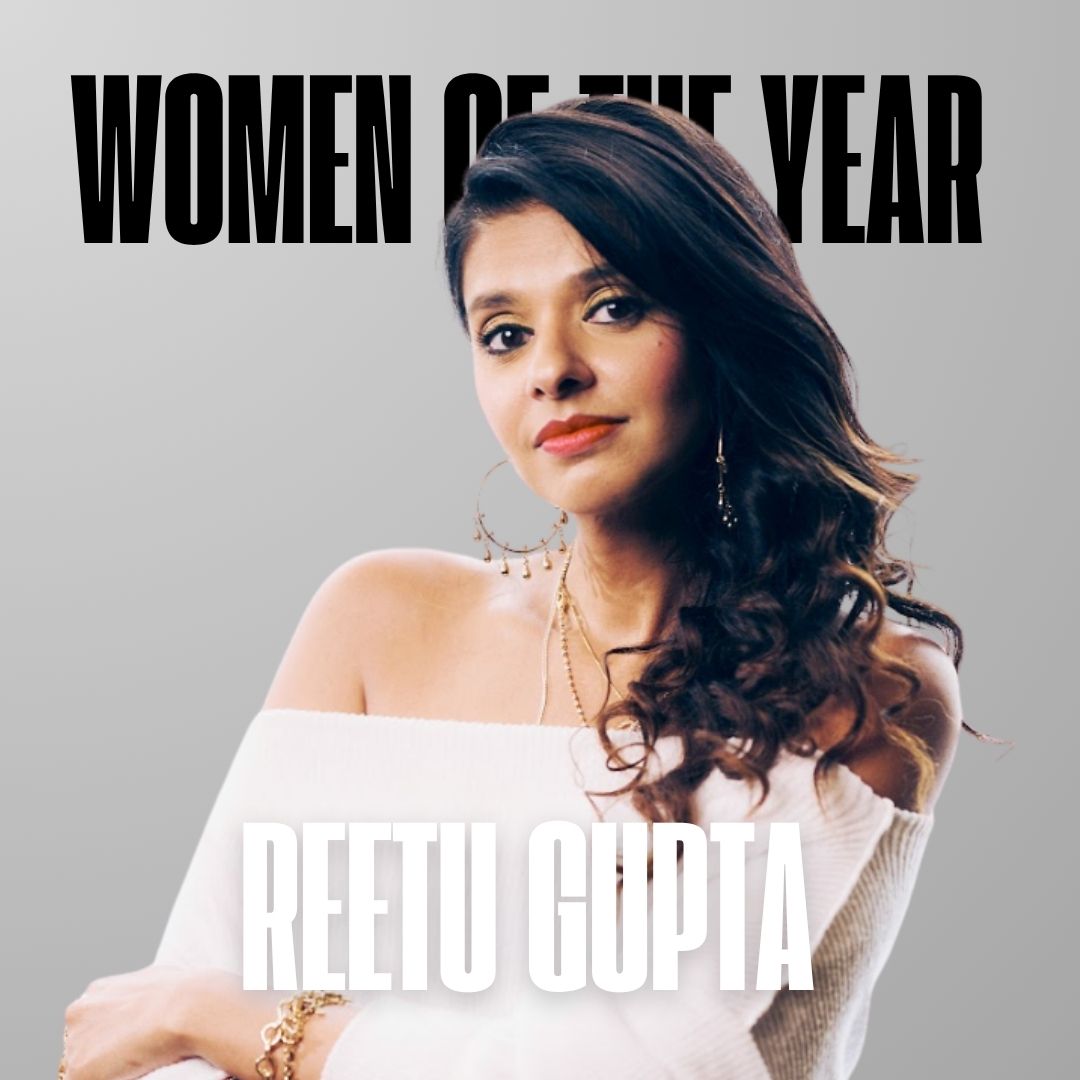
Reetu Gupta (Ambassadress, The Gupta Group)
Reetu Gupta has always moved at the intersection of ambition and action. Born into the worlds of real estate and hospitality, her career was practically scripted from the start. And yet, she has carved her own path with determination and foresight. Today, as President and CEO of the Easton’s Group of Hotels and The Gupta Group, Gupta oversees more than 20 operational hotels across Canada, six additional properties in development, and 5 million square feet of mixed-use projects in the Greater Toronto Area. Her leadership is both expansive and intensely personal, grounded in a philosophy that blends vision, empathy, and inclusion.
Gupta is deeply committed to cultivating diverse talent within her organization. More than 60 percent of managerial roles at The Gupta Group are held by women, reflecting her intentional efforts to challenge industry norms and create pathways for female leadership in hospitality. Beyond gender, she is a champion of equity for minority voices, ensuring that talent is recognized and nurtured based on merit, skill, and potential rather than entrenched biases. She has also leveraged her experience to support Canadian startups led by women and minority entrepreneurs through Rogue Insight Capital, the diversification arm of The Gupta Group.
Her influence extends well beyond operational management. Gupta has re-launched The Gupta Family Foundation, focusing on education, empowerment, and community initiatives, while also mentoring women globally through The Shakti Society, which offers guidance on professional, spiritual, and personal development. Through these platforms, she is actively reshaping the narrative of what leadership looks like in male-dominated industries, proving that business success and social responsibility are not mutually exclusive.
Gupta has also left a distinct mark on Toronto’s hospitality scene. Properties such as the Canopy by Hilton Toronto Yorkville and Revery, a Curio Collection by Hilton hotel, showcase her vision of hotels as cultural destinations. These spaces highlight local artists, culinary talent, and Canadian-owned products, turning each property into a celebration of its community. Through these experiences, Gupta emphasizes that hospitality is not just about service but about creating opportunities for local talent and ensuring that a diversity of voices are seen and valued.
In 2025, Gupta made history, joining the ownership group of Toronto’s WNBA expansion team, the Toronto Tempo. More than a financial stake, the investment embodies her philosophy of equity, representation, and purpose-driven leadership. By entering the world of professional sports ownership, Gupta is extending her commitment to opening doors for women and minority leaders beyond hospitality, signaling the growing influence of women across all arenas.
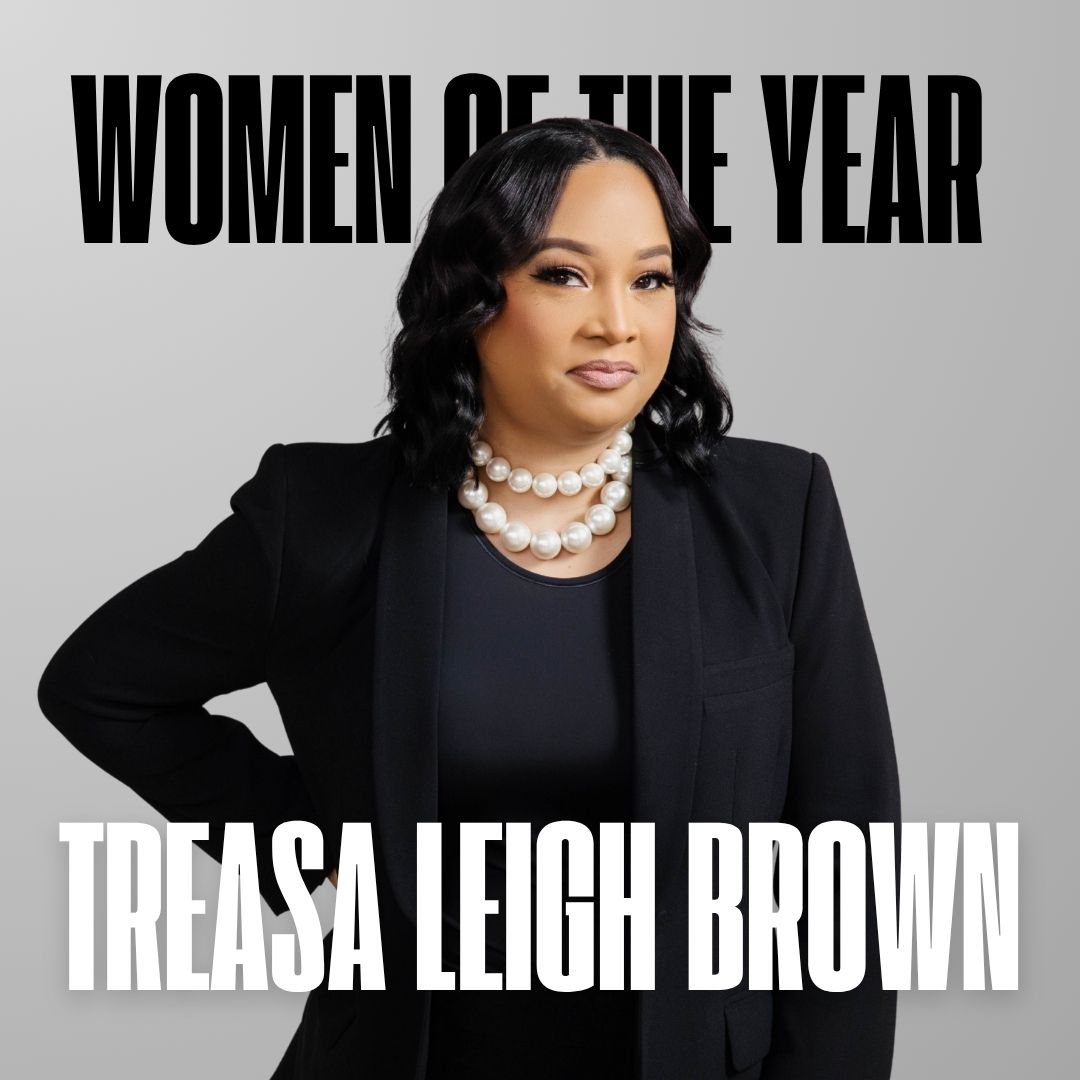
Treasa Leigh Brown (Founder, Professionelle House)
In an era defined by access and exclusivity, Treasa Leigh Brown has built something altogether different: a social club not for the privileged few, but for those who have long been left out of the room. As the founder of Professionelle House, Canada’s first Black-owned and operated private members business and social club for women entrepreneurs, Brown is reshaping what professional power looks like (and who gets to hold it.)
Located in the Greater Toronto Area, the club blends the sophistication of a members-only environment with the purpose of an incubator, designed to give women (particularly women of colour) the tools, mentorship, and connections they need to thrive. It’s a bold intervention into an entrepreneurial landscape that has too often been isolating and inequitable. For Brown, the idea was born out of necessity: she saw firsthand how difficult it can be for women to secure capital, resources, and access. Professionelle House responds to that gap with something tangible; a place where business strategy meets sisterhood, and where ambition isn’t just encouraged but equipped.
Before launching Professionelle House, Brown made her name as a force in the events industry. As founder and creative director of Leigh Event Group, she built a reputation for producing immersive, high-calibre experiences that married precision with storytelling. But her larger calling came through community building. In 2019, she launched The Professionelle Summit (formerly the We Rise Experience Summit), an annual event designed to empower women entrepreneurs with education, resources, and inspiration. The overwhelming response from attendees (and their expressed need for an ongoing space to grow) planted the seed for Professionelle House.
Today, Brown’s vision is far bigger than a physical space.
Professionelle House represents a new model of entrepreneurship: one rooted in collaboration, equity, and shared growth. Its mission is to dismantle systemic barriers, create pathways for sustainable success, and build a culture of women supporting women.
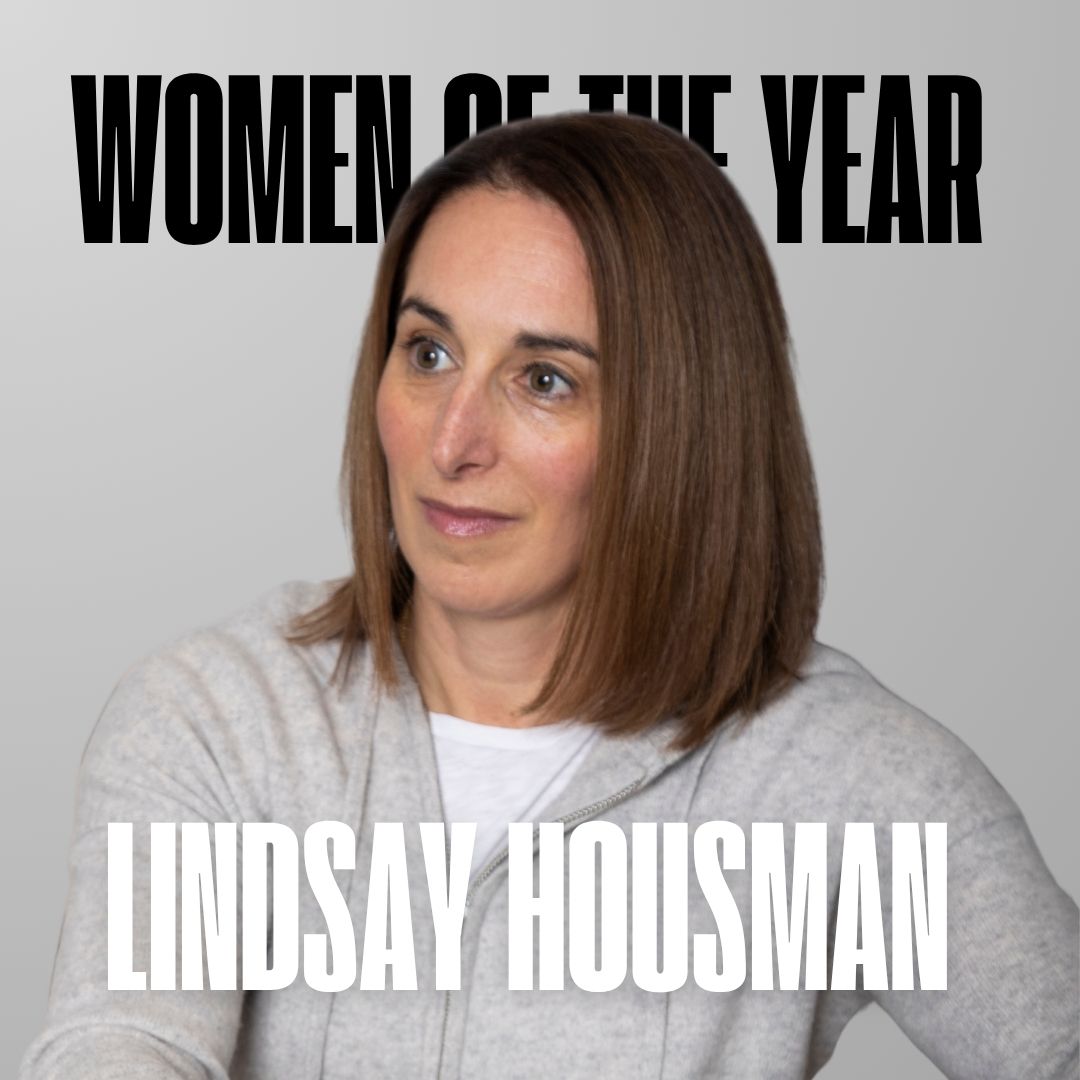
Lindsay Housman (Founder, Hettas)
Lindsay Housman built her company Hettas (a Canadian performance running shoe brand) to address a glaring gap in the industry: most shoes are designed for men and then scaled down for women. Driven by her experience as an athlete and a mother, she launched Hettas in 2021, officially debuting the brand in 2023 with a mission to design shoes tailored to female anatomy, biomechanics, and performance needs.
More than solely a footwear brand, Hettas is rooted in research, inclusion, and purpose. Partnering with Simon Fraser University’s Run Lab, the brand has pioneered studies on female-specific biomechanics, anatomy, and life-stage considerations, earning a three-year NSERC research grant. The findings have directly informed Hettas’ designs, ensuring shoes enhance comfort, prevent injury, and support performance from young recreational runners to seasoned athletes.
The brand offers three performance-focused collections—Cruise, Tempo, and Speed—each engineered with durometer-rated midsoles for distinct ride experiences. Every detail, from wider toe boxes to narrower heels, reflects scientific insights into female physiology. By advancing research and applying it to functional design, Hettas is setting a new standard for women-centered footwear.
Beyond innovation, Housman’s vision extends to opportunity and equity. Hettas champions female athletes, supporting girls and women at every stage of life while advocating for equality in sport. Her leadership underscores the importance of designing products with women in mind and ensuring that female voices are represented in innovation, research, and development.
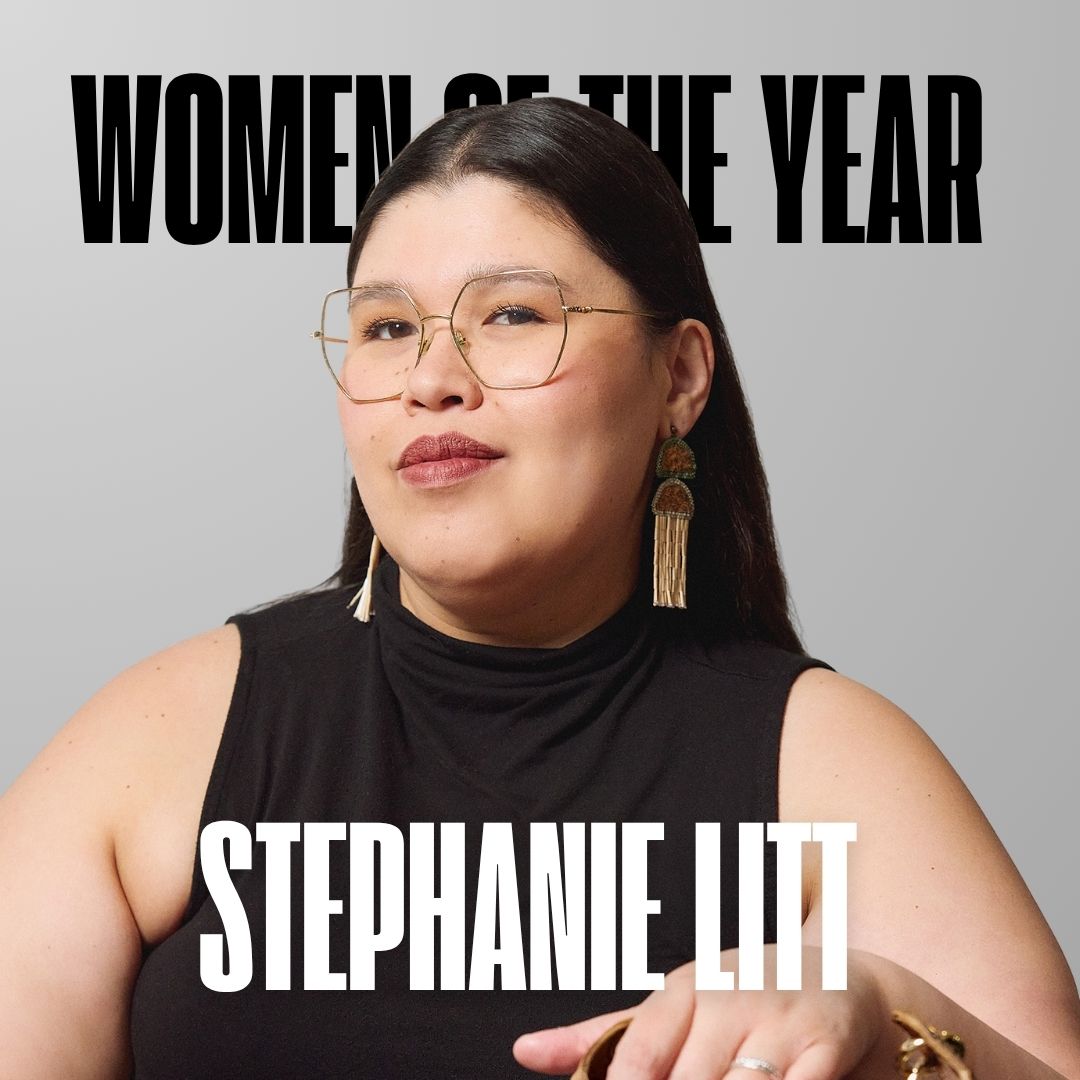
Stephanie Litt (Co-founder and CEO, MycoFutures)
Stephanie Lipp is reshaping the future of sustainable materials through her work as CEO and co-founder of MycoFutures, a Montreal-based cleantech startup pioneering mycelium-based leather alternatives. Drawing on a background in the arts and creative industries, Litt transitioned from running a gourmet mushroom farm to developing eco-friendly materials that are as versatile as they are sustainable.
Its flagship product, Myco™, is derived from the root system of fungi and offers an animal-free, plastic-free, and non-toxic alternative to conventional leather. With a unique vertical-farming approach and non-toxic tanning methods, Myco™ grows in weeks, providing an environmentally conscious solution without compromising on quality, aesthetics, or performance. By utilizing forestry and agricultural by-products, the company dramatically reduces carbon emissions, avoids harmful chemicals, and eliminates microplastics, demonstrating that sustainability and scalability can coexist.
Litt’s entrepreneurial vision extends beyond the product itself. From the outset, she prioritized intellectual property protection and strategic planning to ensure MycoFutures could scale effectively while maintaining a defensible position in a competitive marketplace. Early recognition through pitch competitions and accelerator programs provided guidance and connections that helped transform experimentation into a viable, market-ready business.
At its core, MycoFutures embodies a philosophy of purpose-driven entrepreneurship. Litt’s leadership prioritizes sustainability, scientific rigor, and practical impact, while fostering opportunities for other innovators in the cleantech and materials space. By demonstrating that luxury, durability, and environmental stewardship can coexist, she is paving a path for a new generation of founders who value both profit and planetary responsibility.
Through MycoFutures, Lipp is proving that transformative ideas, grounded in science and driven by ingenuity, can disrupt established industries while creating a more sustainable future for everyone.
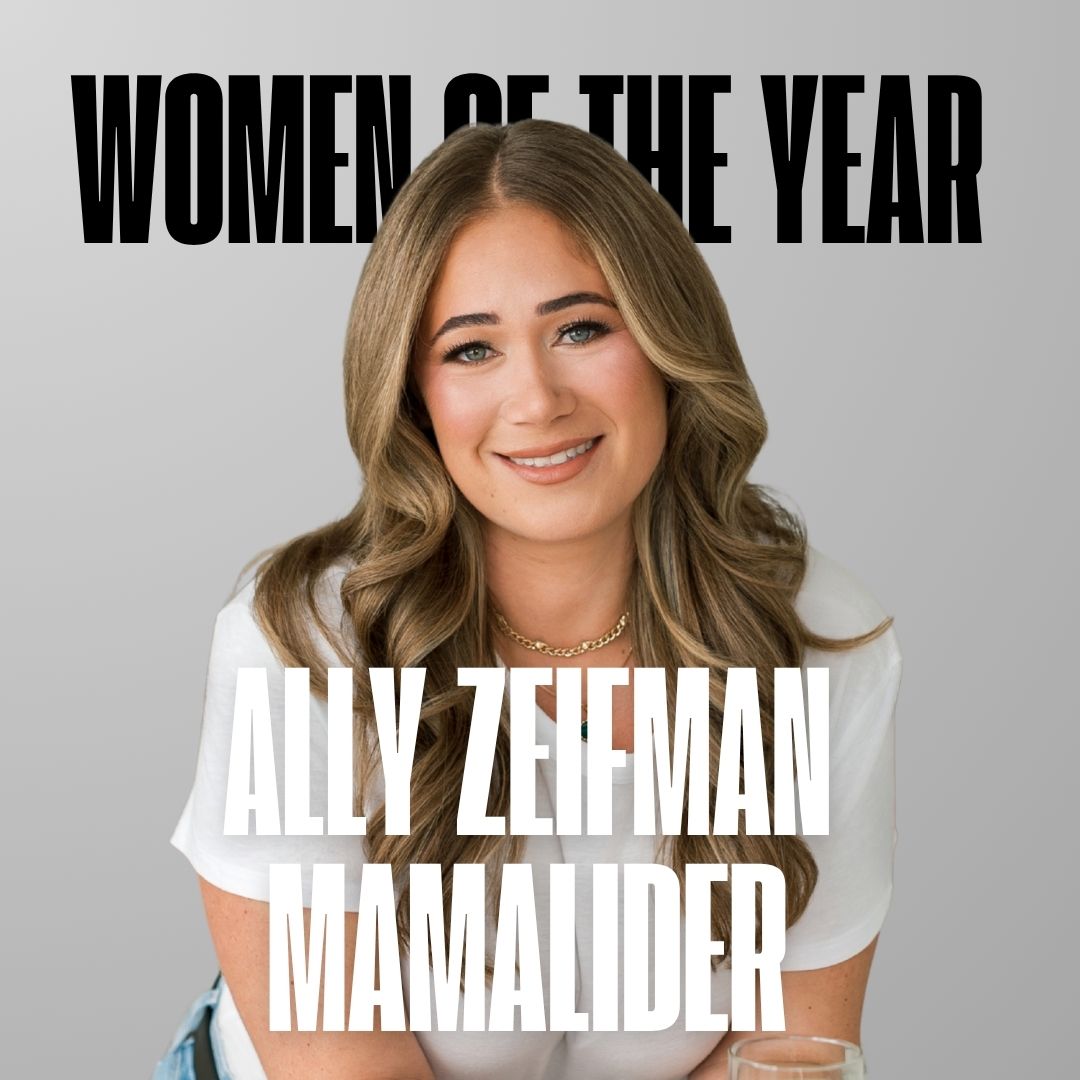
Ally Zeifman Mamalider (President, Organic Traditions)
Ally Zeifman Mamalider is reshaping Canada’s superfood landscape. As President and second-generation founder of Organic Traditions, she has taken a brand with over 25 years of heritage and transformed it into a modern, high-growth leader in functional wellness. Her journey illustrates how legacy and innovation can coexist, proving that heritage brands can be just as disruptive (and culturally relevant) as startups.
Since joining the company in 2017, Mamalider has led Organic Traditions’ expansion, new product development, and a full brand reimagining. Under her guidance, the company has grown internationally, introduced over twenty new formulations, and refreshed its identity with a design-forward approach that balances continuity with evolution.
At the core of Organic Traditions is a mission to make superfoods simple. Under her stewardship, Mamalider has translated this ethos into action, ensuring products are easy to use, educational, and held to the highest standards of quality and purity. The results seem to be paying off.
Revenue has doubled, eCommerce sales have grown 71 percent year-over-year, and U.S. retail expansion is underway. Multiple new product lines, including a superfood fiber platform, have further strengthened the brand’s market presence. Yet for Mamalider, success is as much about culture as it is about growth. She has nurtured a female-led, family-founded business that champions mentorship, inclusivity, and opportunity for women and minorities in the wellness industry.
Mamalider sees wellness as a movement rooted in curiosity, integrity, and care—values instilled by her father (the company’s founder) and amplified under her guidance. By blending heritage and innovation, she has positioned Organic Traditions as a modern wellness powerhouse, proving that second-generation founders can honor a legacy while boldly charting new territory.