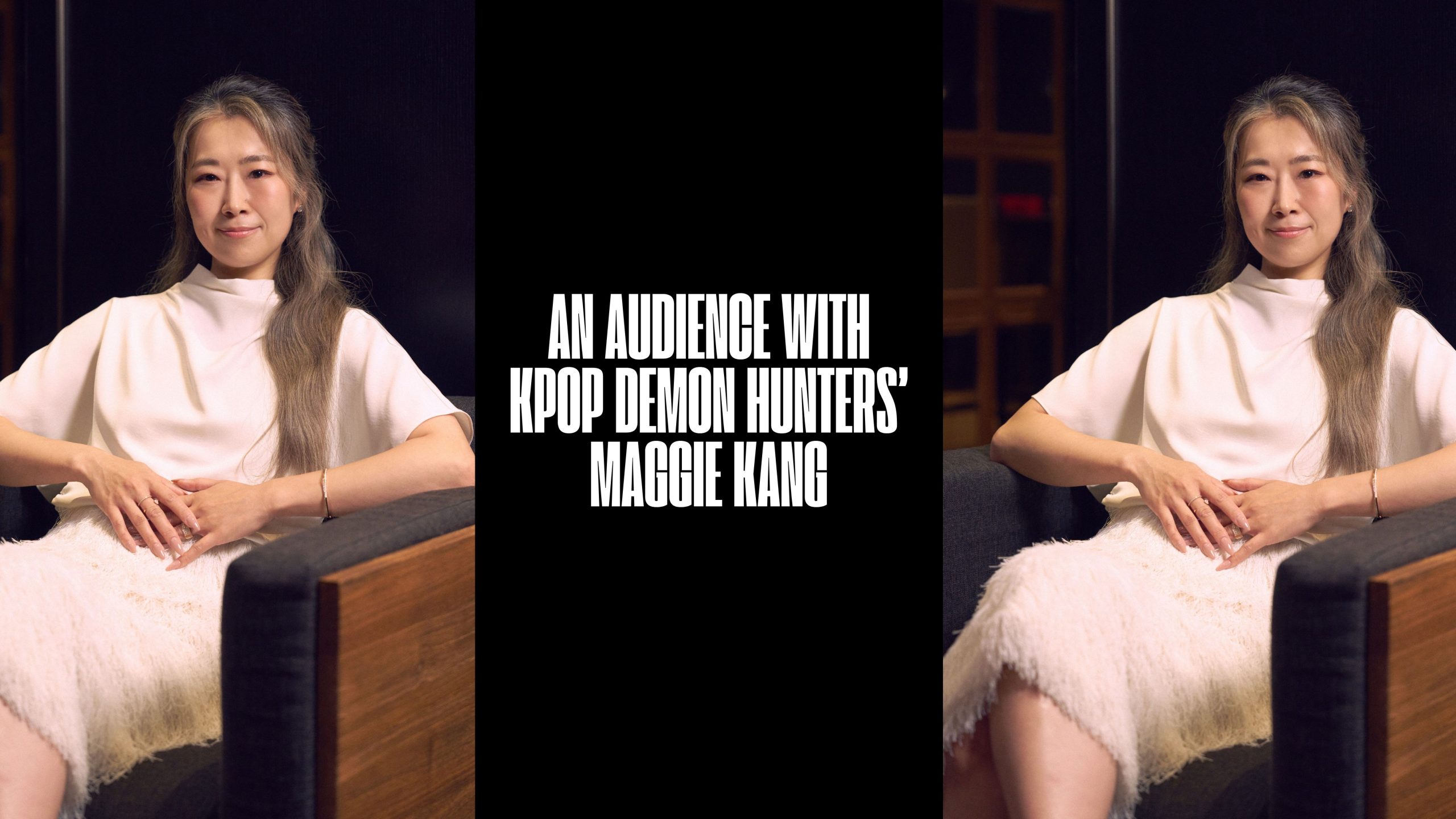
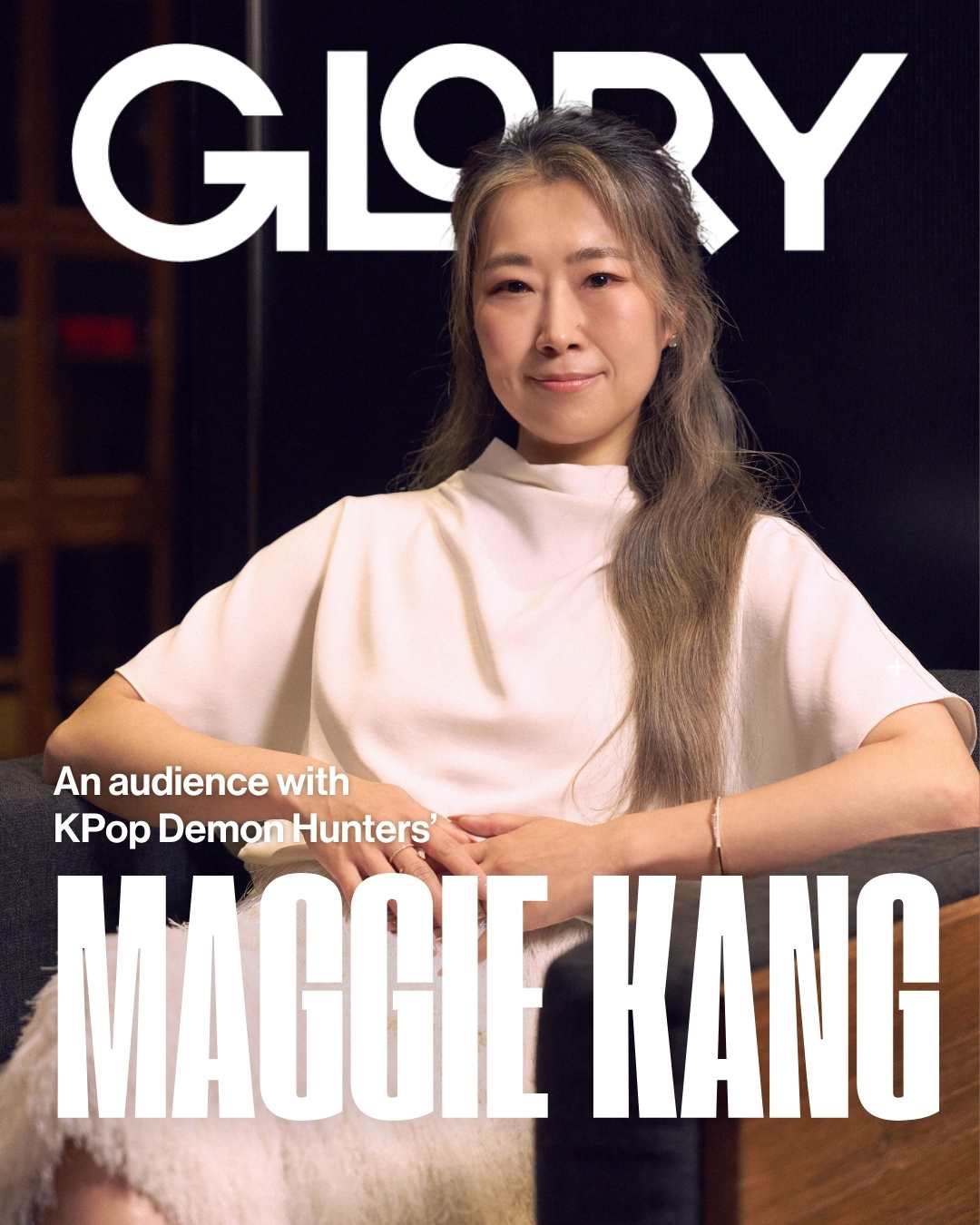
An Audience with KPop Demon Hunters’ Maggie Kang
When Kpop Demon Hunters dropped on Netflix earlier this year, no one—not even its director—expected it to become the most-watched animated film in the world. Within weeks of release, it shot to No. 1 in over 60 countries, logged more than 236 million viewing hours, and spawned one of the year’s biggest soundtracks, topping Spotify’s Global Album Chart and even toppling Destiny’s Child as the longest-running No.1 Billboard Hot 100 song performed by a girl group (HUNTR/X) for their platinum record, “Golden”.
For Korea-born and Toronto-raised filmmaker Maggie Kang, the film’s explosive success represents something deeper than box-office or streaming metrics. It’s a validation of a creative vision rooted in Korean culture, girl power, and the universal energy of K-pop—a genre she believes isn’t niche, but a global language of emotion, community, and identity.
Raised in Canada by Korean parents and inspired by world cinema her father adored, Kang grew up straddling cultures. She watched Chaplin films at Christmas and listened to K-pop in secret, long before it was mainstream. Years later, those same dualities—East and West, humour and heartbreak, tradition and reinvention—would become the heart of Kpop Demon Hunters, an animated spectacle that fuses K-pop’s precision with superhero swagger.
The movie’s success has been amplified by its authenticity. Produced by Sony Imageworks and released globally by Netflix, it features an all-Asian cast and creative team, and has been dubbed into more than 40 languages. But beyond the spectacle, Kang’s film is a meditation on identity: a celebration of imperfection, the breaking of generational patterns, and the courage it takes to own your power.
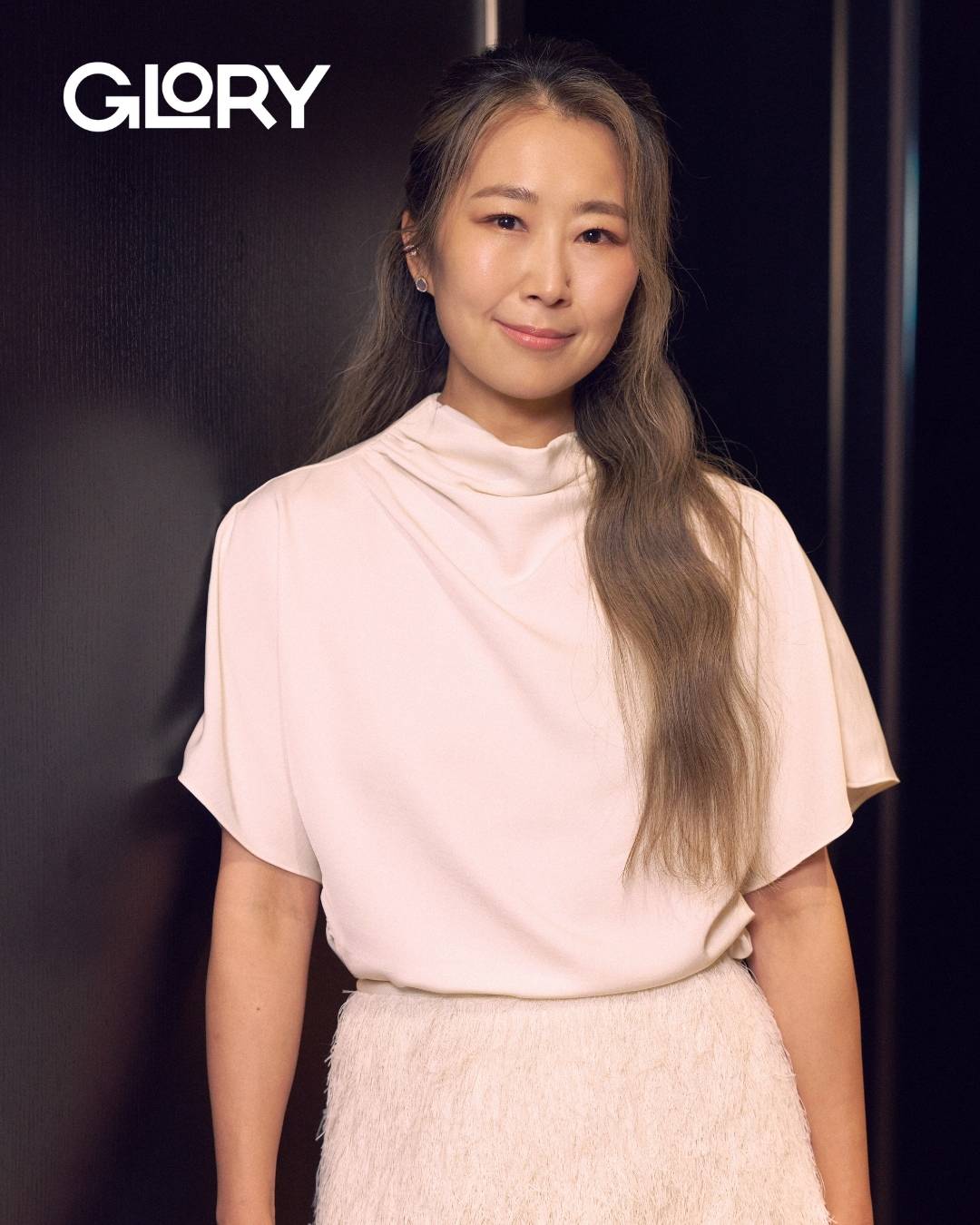
In her GLORY digital cover feature, Kang reflects on her creative process, the pressures of representation, and what she’s learned about risk, resilience, and rewriting the rules of what global storytelling can look like.
Listen to the full conversation below or continue reading.
Welcome back to Toronto. How has your visit been?
Maggie Kang: It’s been great. I love getting some weather because we’ve been going through a heat wave in L.A., so a little rain was nice. I haven’t been back in over seven years. My family’s now in the Vancouver area, so I travel there a lot. The movie production was at Sony Imageworks in Vancouver, so I spent a lot of time there during production. But being in Toronto for TIFF is special. Growing up here and seeing TIFF every year, I’d always wanted to attend—so it’s great to be here this time.
We’re here to talk about the incredible success of KPop Demon Hunters, which has become a global phenomenon—not just in filmmaking but also on the music charts. How does it feel?
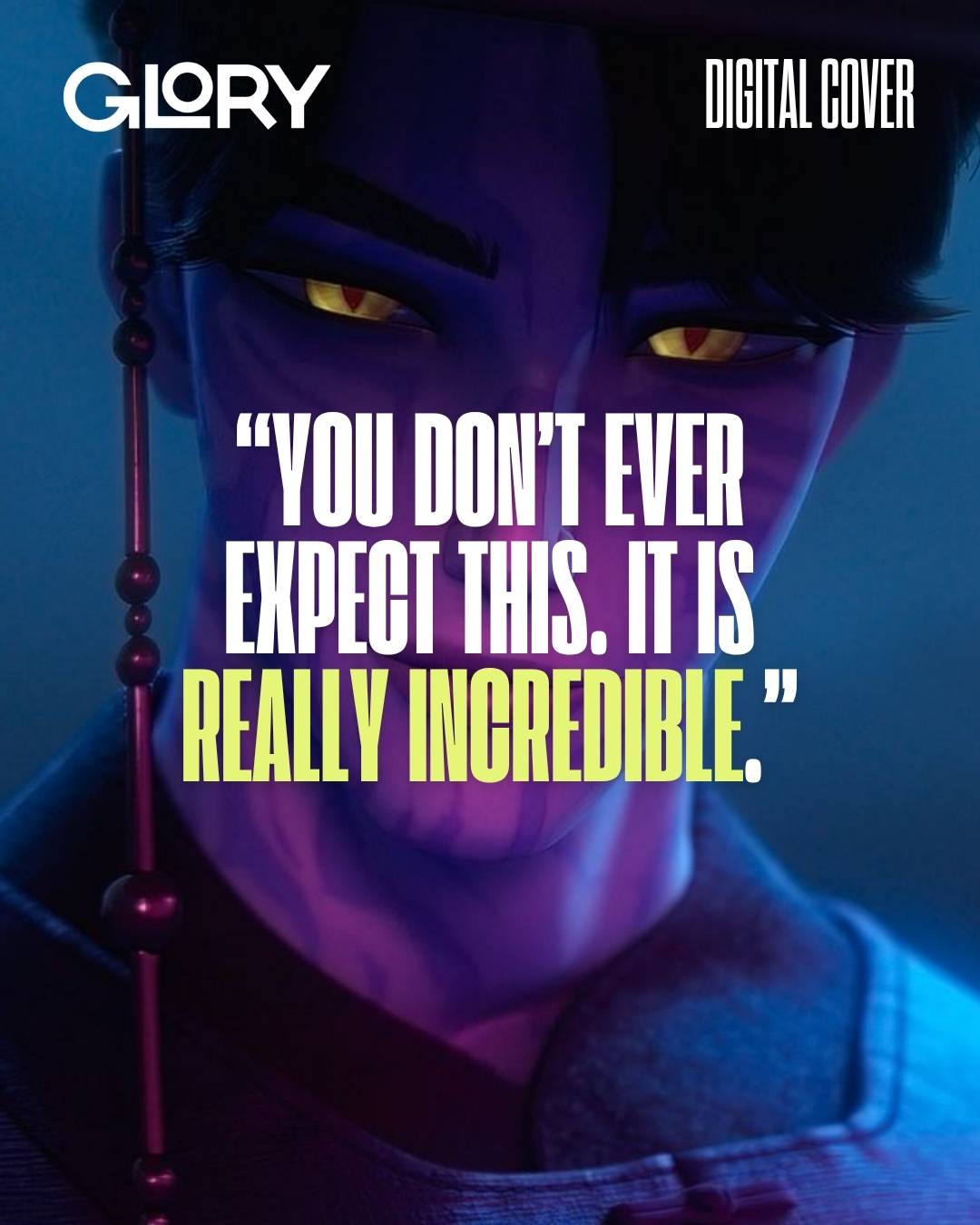
Maggie Kang: Thank you. It’s been a whirlwind. Ever since the movie came out, I was holding my breath and not really relaxed. When it finally dropped, I felt a little relief—and then the insanity started. Chris [Appelhans, co-director] and I haven’t really had a break, but it’s been exciting and very surreal. When you make these things, you hope your film connects with people, but you never expect this. We’re just so touched and happy to see it resonate.
Let’s rewind a bit. Your frather was a big fan of movies?
Maggie Kang: He really wanted to work in film but never did. I grew up watching Kurosawa films with him when I was about 10 or 12, and one Christmas we spent ten days watching Chaplin films. That really fostered a love for storytelling in me. I wrote short stories and always wanted to express them through art—character design, story moments, illustrations. I wasn’t someone who drew for fun; I drew for story.
You’ve mentioned previously that you didn’t have many Korean friends growing up. How did that shape your voice as a storyteller?
Maggie Kang: I didn’t, but I had my sister, who’s three years older. We were very close. I used to hide my love for K-pop from my non-Korean friends because I couldn’t share it with them. My sister let me hang out with her and her Korean friends, and we shared that love together. My parents also made sure we kept the language and stayed connected to our roots. Growing up in Toronto—a multicultural city that celebrates difference—helped me keep that Korean pride even when I wasn’t surrounded by many Koreans.
When making Kpop Demon Hunters, did it ever feel like you were taking a big risk on yourself and your vision?
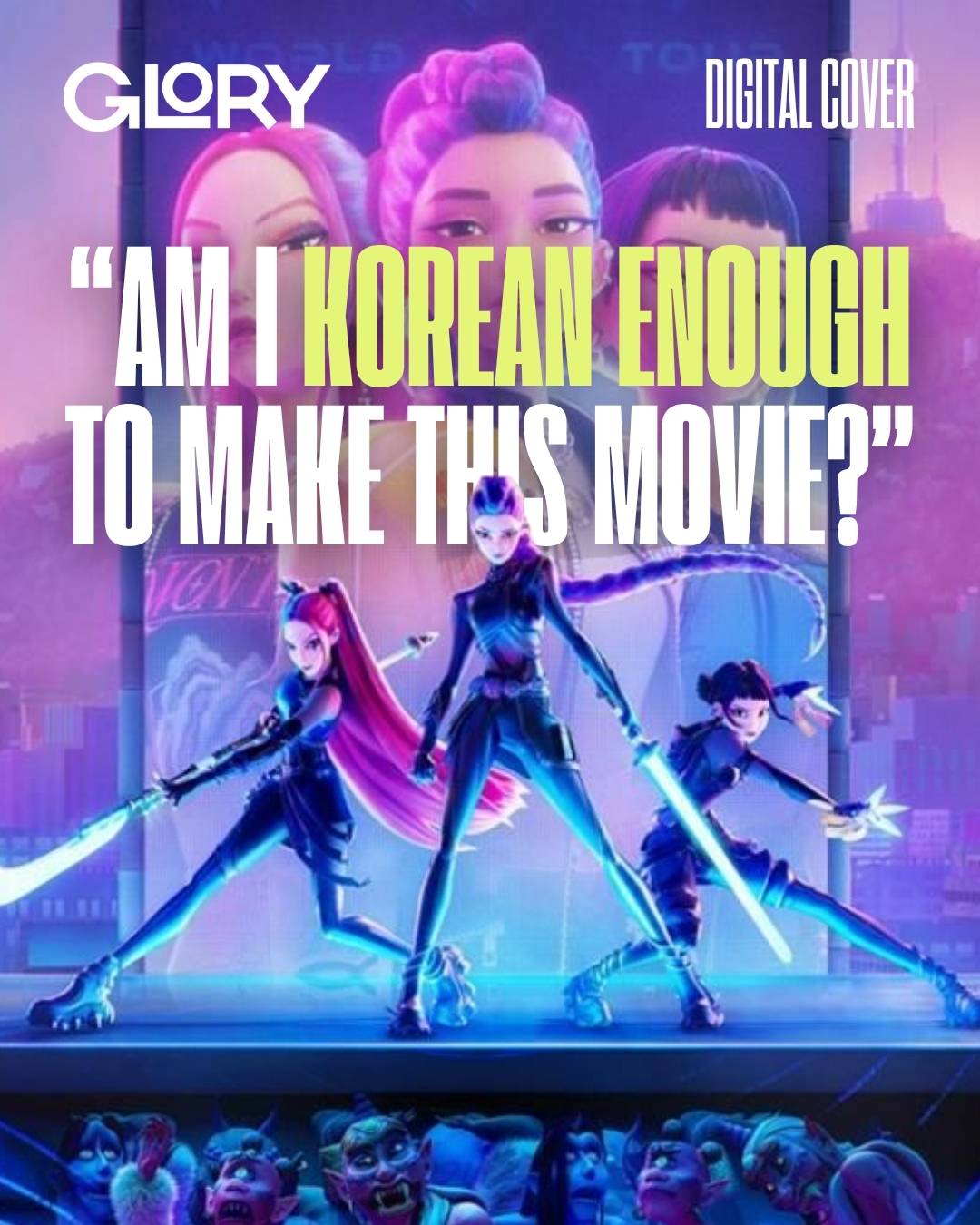
Maggie Kang: Definitely. I don’t think I grew up with imposter syndrome, but during the film I had moments of, Am I doing the right thing? Am I representing Korean culture correctly? Am I Korean enough to make this movie?
I had to defeat those demons—and I did.
From the beginning, Netflix and Sony supported making something culturally different. Netflix had seen how successful Korean content was on their platform, so they pushed for authenticity. That trust, especially for a first-time director, is rare.
Having a full Asian main cast and putting it on a global streamer helped immensely. The film went out to 190 countries and was dubbed into over 40 languages. K-pop is so universal—it gave people all over the world access and a shared experience. That helped the snowball start rolling and gave the movie the legs it has now.
Did you ever feel pressure to explain Korean culture to a global audience?
Maggie Kang: No. I wanted audiences to meet us where we are. When you travel, you might not understand everything about a place, but you figure it out because there are familiar things. We wanted people to enjoy the cultural specificity naturally. As long as it didn’t take them out of the story, we didn’t need to over-explain. We just threw them in and trusted them to find their way.
The soundtrack has exploded as much as the film. What does that say about the universality of K-pop?
Maggie Kang: When you go to a K-pop concert, you see people from every culture, age, and background. Even if you don’t understand the lyrics, there’s a vibe and an energy that brings people together. We wanted the movie to do the same thing. Film, like music, breaks boundaries—it reminds us that no matter where you’re from, we all feel the same emotions.
The movie also explores intergenerational cultural inheritance—acceptance, rejection, reconciliation. How did that play out for you personally?
Maggie Kang: Becoming a mom helped me understand my own parents better, especially my mother. After having my daughter, we broke down barriers we’d built. I saw firsthand how generational trauma can dissolve through understanding. That’s something we wanted to show in the film—the passing of the torch, younger generations coming of age, and teaching the older generation what’s up.
That theme of owning your power, despite your flaws, really stands out. How did you approach that?
Maggie Kang: It tied nicely into K-pop itself. We didn’t want to shine a light on negativity, but we wanted to reflect how performers often present a perfect image while struggling privately. The Huntrix embody that duality. They’re flawed heroes, and that’s their power.
Why do you think audiences are craving imperfect heroes right now?
Maggie Kang: Social media makes perfection look constant, but everyone knows it’s not real. It’s refreshing to see the other side. It humanizes people. I also wanted to show different kinds of female characters—funny, messy, confident. There’s power in being silly. That’s real girl power: to own your imperfections and be unafraid to laugh at yourself.
What is the biggest lesson you’ve learned from making this movie that you’ll carry into future projects?
Maggie Kang: I was timid at first—questioning my abilities and sensibilities. Once I pushed past that, I freed myself. I learned to trust my gut, take risks, and be brave, even when it’s scary.
What is your mission as a filmmaker, ultimately?
Maggie Kang: I’m proud of how Korean culture was represented in Kpop Demon Hunters, but my next projects don’t have to be entirely about culture. I want to make stories that feel authentic to whoever’s telling them. Representation doesn’t always have to be the story—it can simply exist. Like in Beef, where Asian perspectives are integrated without being the whole point. That’s what I hope to contribute to film: representation as reality.
This interview has been edited and condensed for clarity. Watch the full interview on our Youtube channel below.