
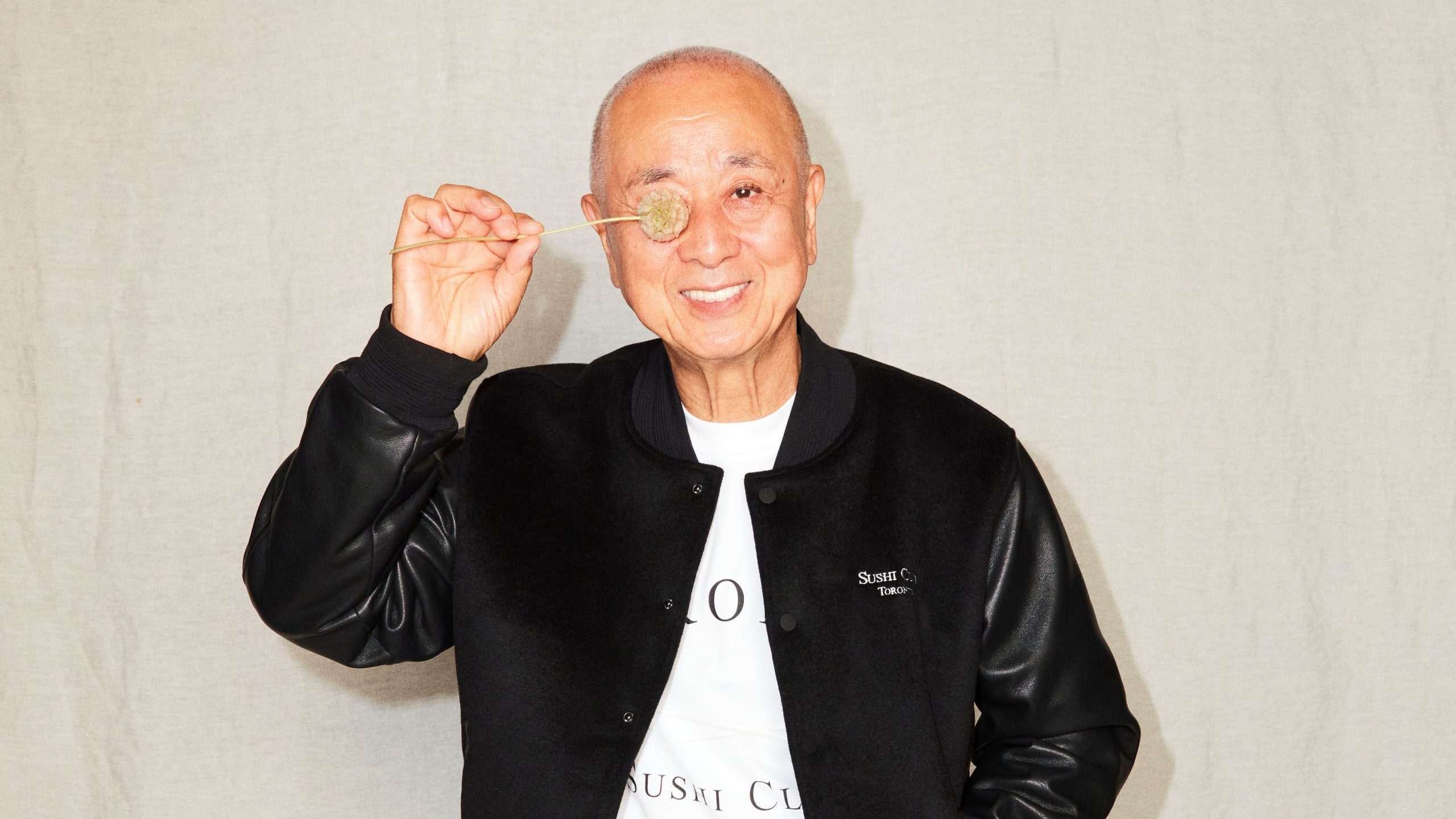

To call Nobu Matsuhisa merely a chef is to ignore the many other aspects inherent to his success. The name Nobu is now synonymous with not only high culinary standards, but luxury itself. It could be argued that his famous black cod miso is as much a status symbol as a Rolex or a Ferrari. Yet, despite it all, he speaks with the grace and humility of a person who still remembers how his mother cooked in their kitchen growing up. He travels up to ten months a year, visiting Nobu locations across five continents, yet insists he is not really a businessman. “Still, I’m chef,” he says, as though it’s the simplest thing in the world, which—of course—it isn’t.
He describes his restaurants, scattered around the globe, as if they are blocks from each other. He is meticulous and holds high standards but says he does not want to impose his will on his chefs. He talks about fusion cuisine not as some wild innovation, but as something that simply came out of a necessity when he moved across the Pacific from Japan to Peru in 1974.
These contradictions are the essence of Matsuhisa: finding joy in the people, team, local ingredients, and work even though, when one is operating on such a scale, it would seem to demand the opposite.
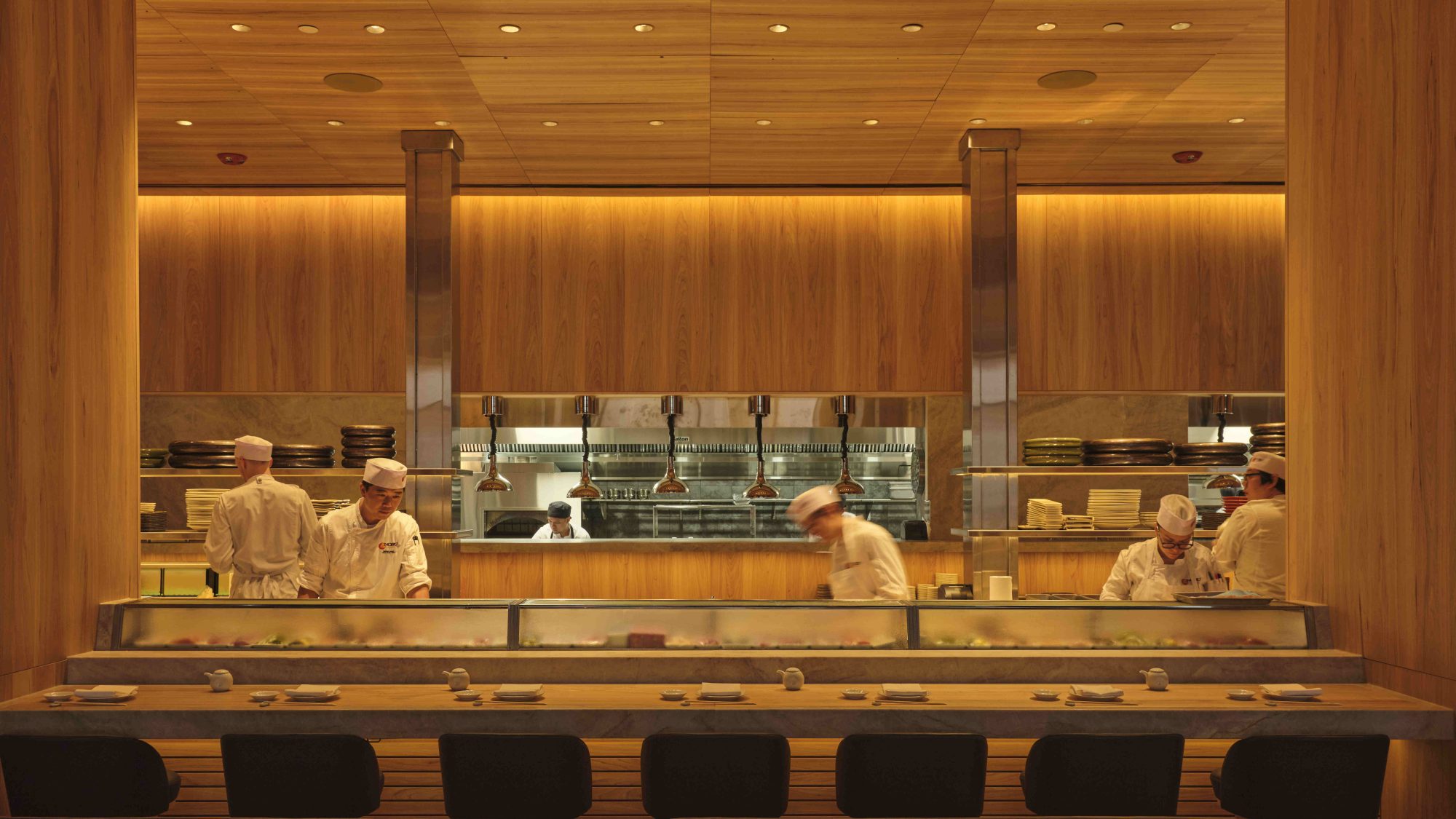
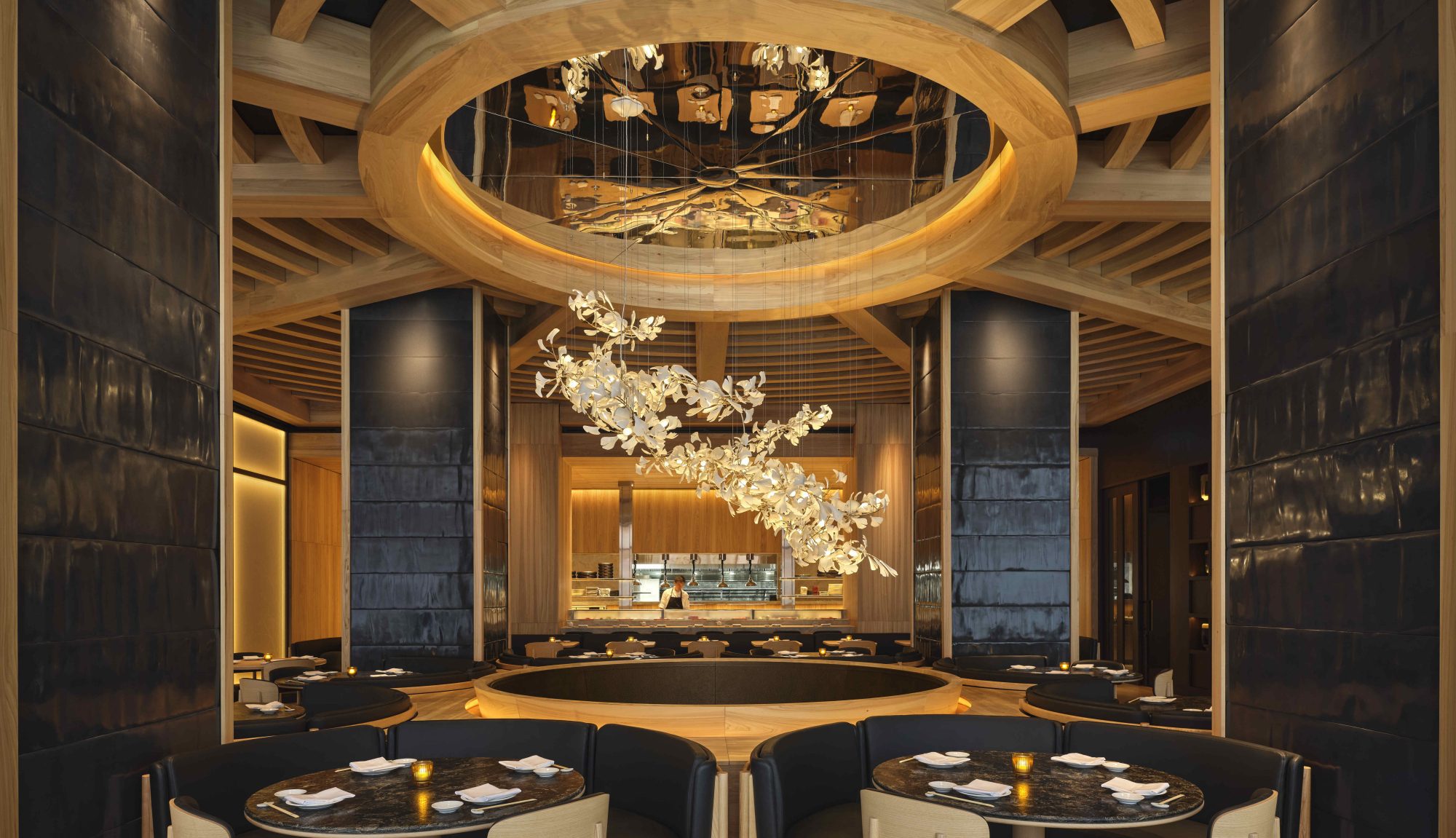
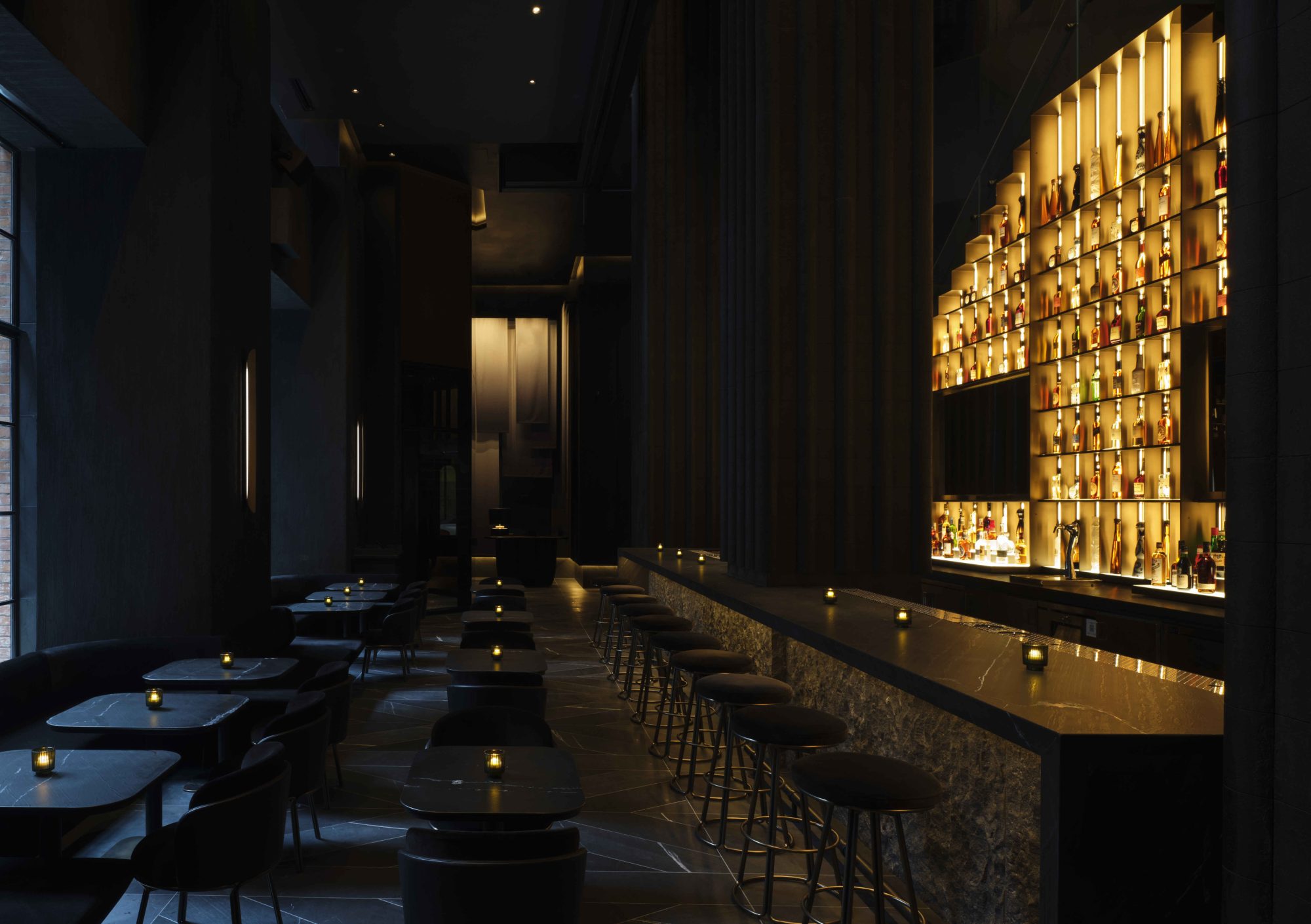
The scale, for the record, consists of 56 restaurants and 18 hotels globally in 30 years, the latest of which just opened in Toronto in all of its two-story, 10,000-square-foot immaculate minimalism. To say that Matsuhisa has built an empire feels correct but also feels somewhat false, as the term “empire” conjures images of ruthless Succession-esque ambition and growth at all costs—none of which seems to apply here. Matsuhisa is a perfectionist, but his approach is deliberate rather than aggressive. He and his partners aren’t actively chasing new locations; instead, they mostly field requests from prospective collaborators eager to bring the Nobu experience to their cities.
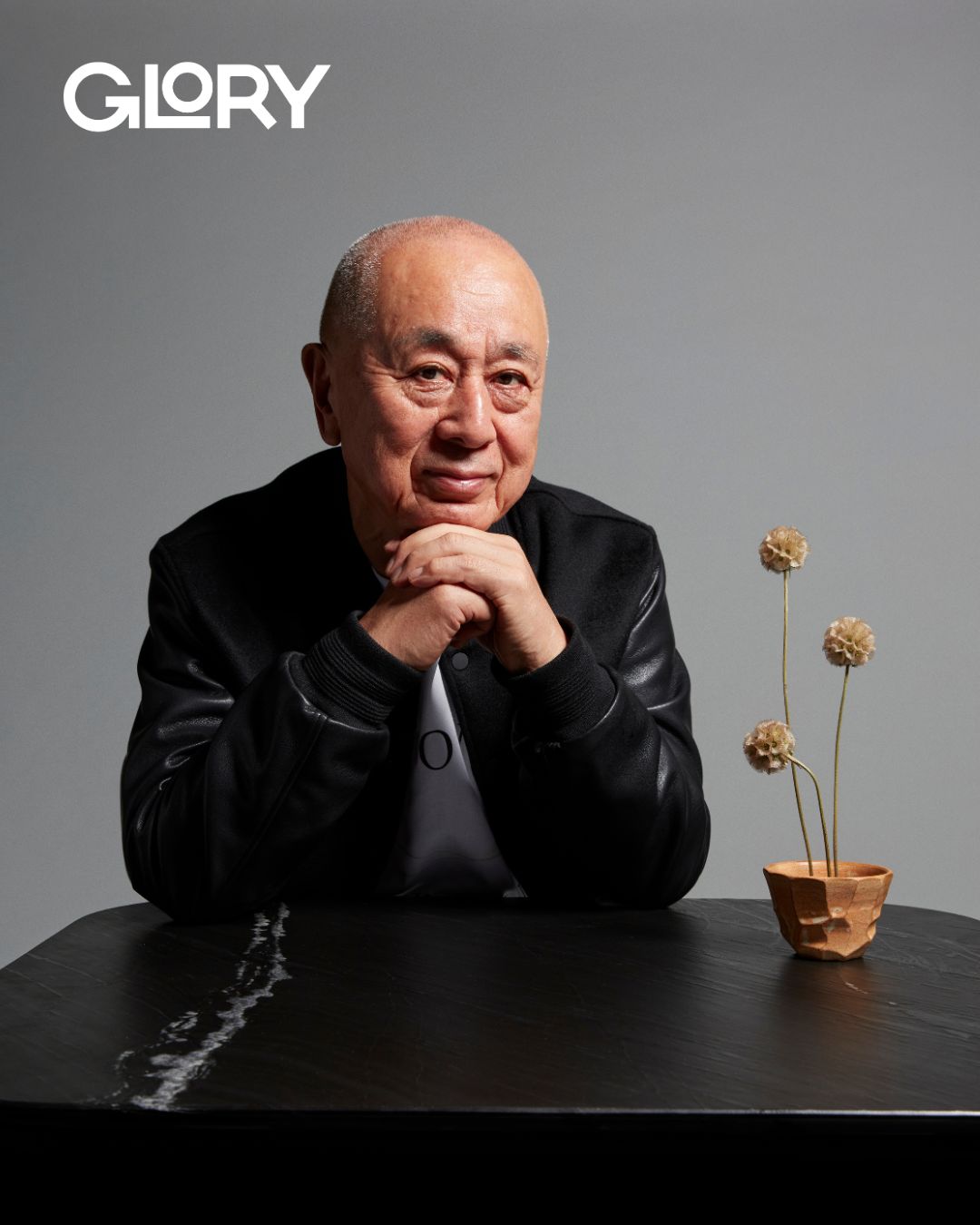
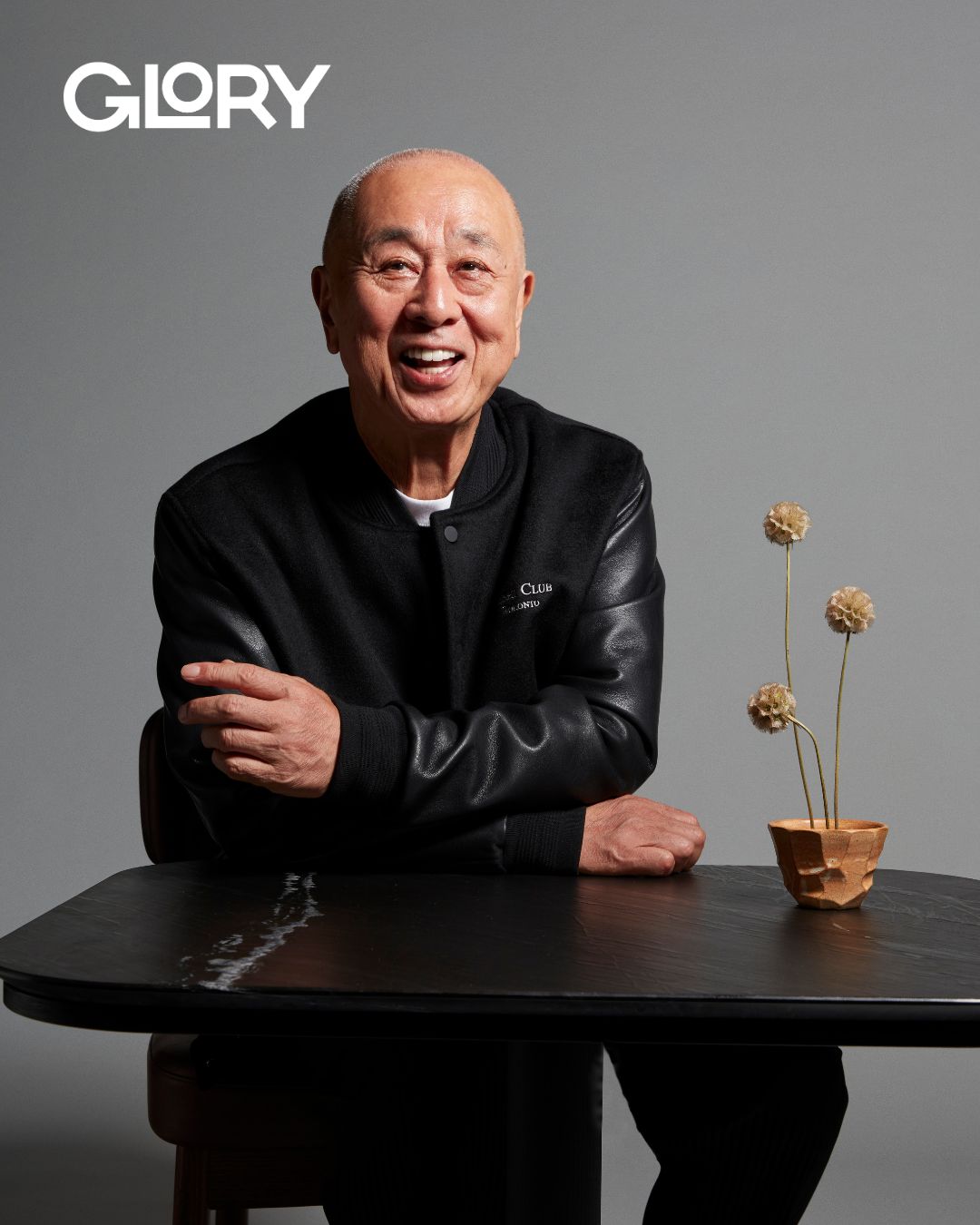
To really understand the contradictions, you have to rewind several decades to Saitama, Japan, a quiet commuter town north of Tokyo, where a young boy, devastated by the death of his father at age eight, became entranced watching his mother and grandmother cook. There was something about the way food was prepared that fascinated him. Matsuhisa left school early and got a job in a family-run sushi restaurant. He cleaned and asked every question he could along the way but did not slice fish until he was promoted to sous chef three years later. He soaked it all up. Even today he makes sure to say hello to the dishwashers and busboys as he knows firsthand how important and difficult those jobs are.
Later, a regular client asked him to partner in opening their own restaurant in Peru. He accepted and this is where his cooking entered another world entirely, with ingredients like lemon juice, chili peppers, cilantro, and tomatoes. These were uncommon in his world of cooking at the time, but instead of resisting, he adapted. The result? A culinary breakthrough, though he doesn’t frame it that way because doing so would imply premeditation—and Matsuhisa is not a premeditative guy.
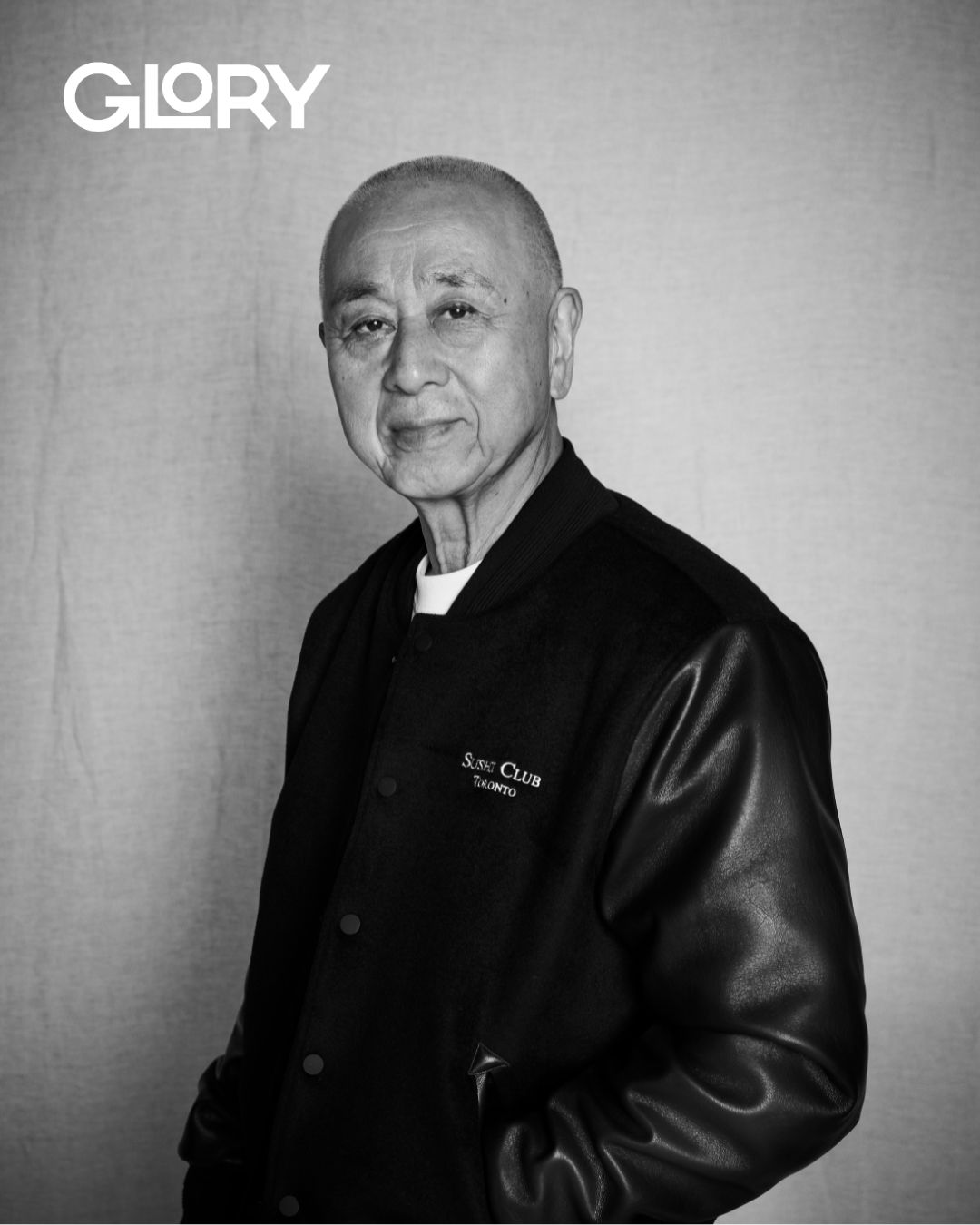
“I [am] never looking 10 years [into the future],” he says, a statement that would read like boilerplate if not for the fact that it feels so viscerally true when it comes from him. “Even today I try my best. Then [there is] tomorrow. It’s step by step.” This simple philosophy has served him well, even when it seemed like the world was going to end.
When his Peruvian restaurant partnership ended, he moved to Anchorage, Alaska to open a restaurant. Tragically, it burned down in an electrical fire after only a few weeks in business. A catastrophic event that cost him his life’s savings and almost ended not only his career —but his life (Matsuhisa has stated in the past that he contemplated suicide during this dark period). Although the fire was an unforeseen accident, he resolved to approach every future project with caution and intentionality.
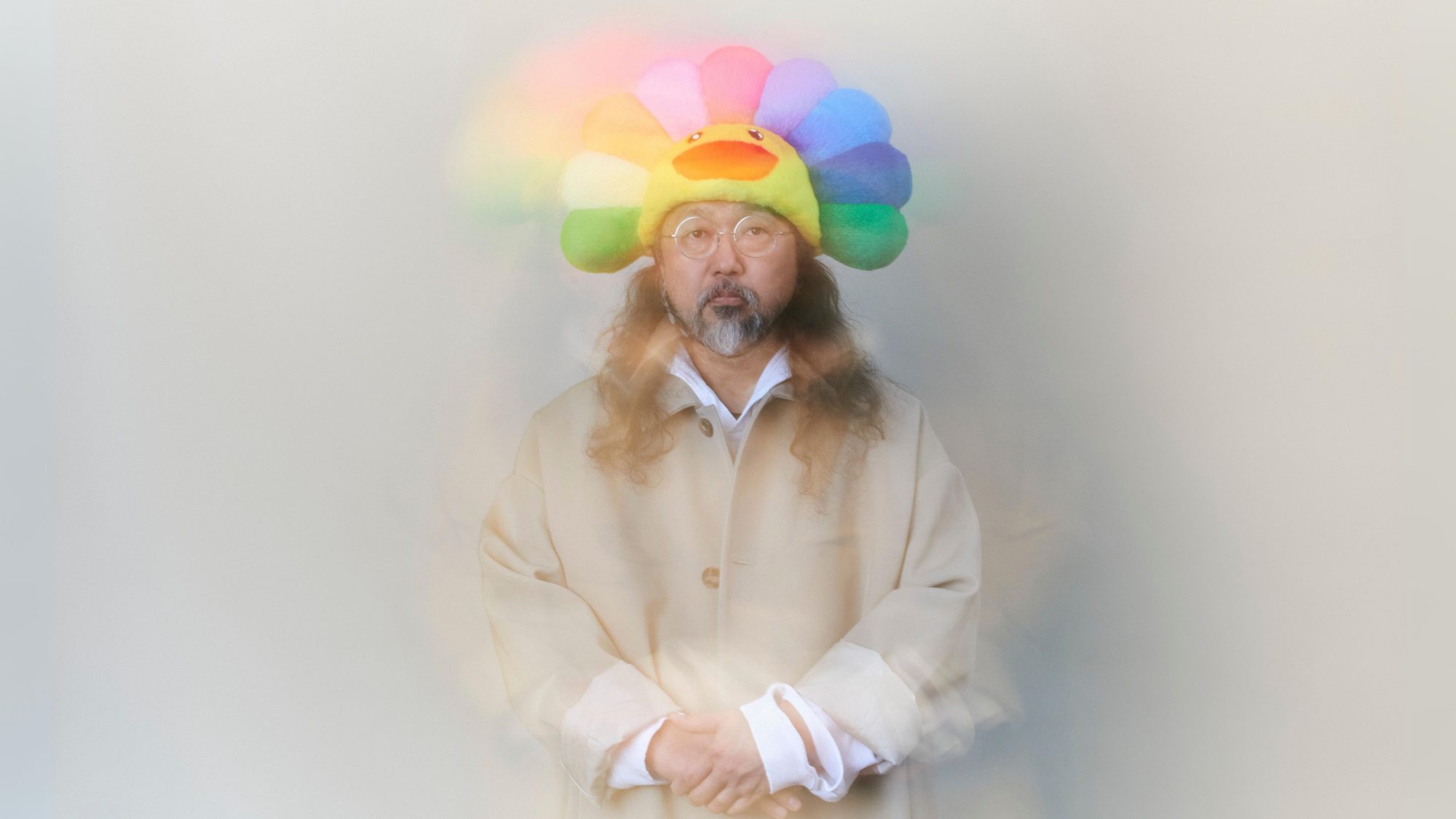
RELATED: Takashi Murakami on His Vision for Art in the 21st Century
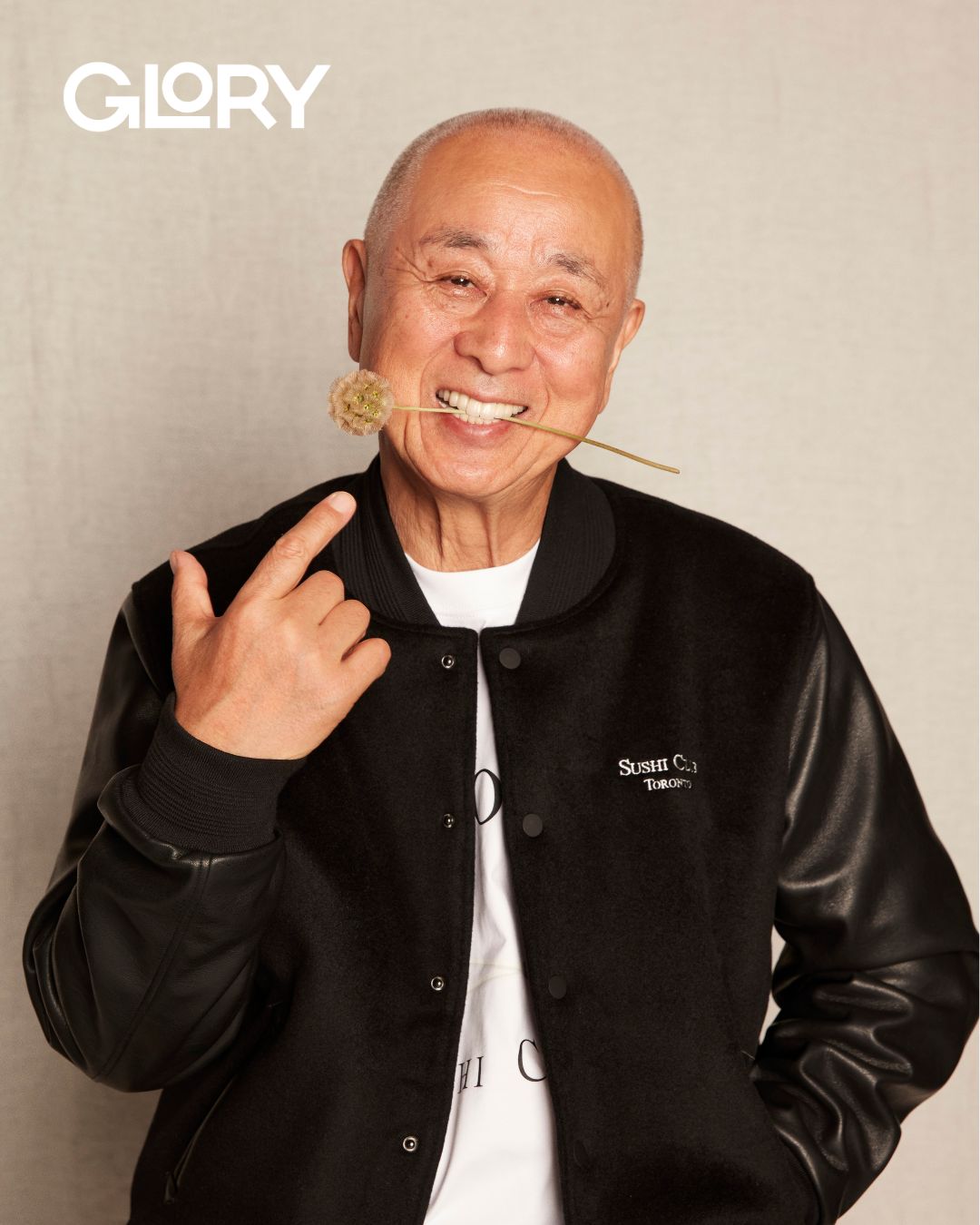
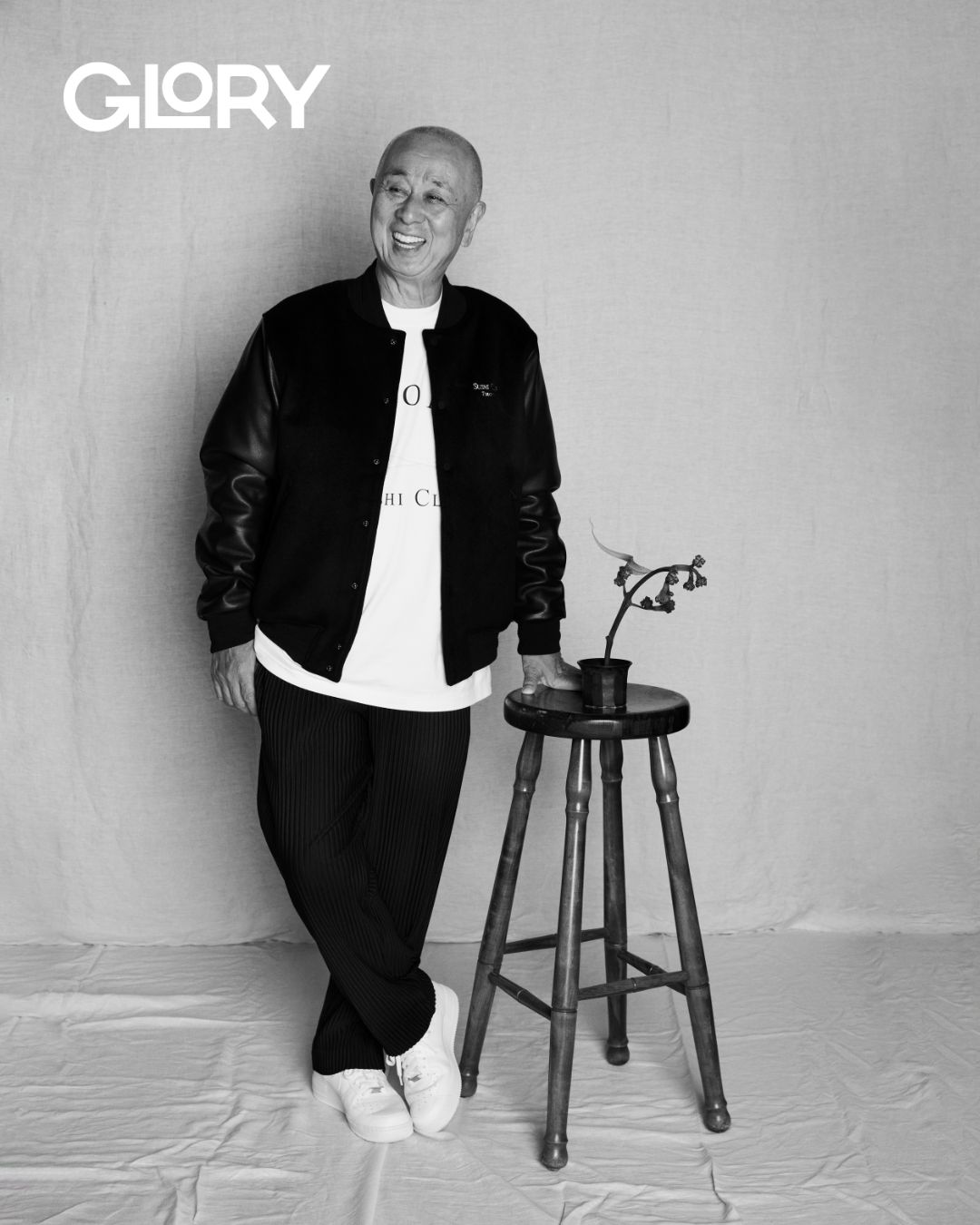
Many years later in 1989, after he saved up enough to open his eponymous restaurant in Beverly Hills (Matsuhisa) two years earlier, Robert De Niro proposed opening a new restaurant together in New York, even going as far as inviting the chef to the city to show the property he purchased in Tribeca. Matsuhisa listened but turned him down. After his experiences in Alaska and Peru, he craved stability and didn’t want to embark on a new adventure just as his Los Angeles restaurant was finding its footing.
All the while, De Niro continued to patronize the restaurant as a regular customer. Years later, when De Niro asked him again, Matsuhisa, still wary of partnerships, recognized the actor’s patience and decided to trust him. The result has served them both well.
After 30 years in the business, it’s impressive to watch as Matsuhisa finds the motivation and inspiration to keep working. Staying in line with his humble nature, he attributes the success of his restaurants to the collaborative effort of the dedicated leaders and exceptional teams they have put together. Despite challenges in his life, his serene commitment to simplicity and balance remains, even as the business has grown.
RELATED: How Janet Zuccarini Built One of Today's Most Enduring Hospitality Empires
He is quick to emphasize that it’s a collective achievement, from his partners and the talented individuals that work together to bring his vision to life. For Matsuhisa, this sense of teamwork is not just a value but the very cornerstone of the Nobu brand’s enduring success. He’s proud, for example, that every Nobu chef is encouraged to add their own twist to the menu. He’s proud that he still learns from young chefs. At the same time, his desire to teach keeps him moving.
Fostering creativity is at the heart of his leadership style, and Matsuhisa thrives on collaboration in the kitchen. He relishes the process of brainstorming with his teams to develop new dishes, yet, his approach is intentionally hands-off, ensuring that his guidance never stifles the creativity of his chefs. “I like to stay with the chefs and suggest things. Then, new dishes come and we taste it. I don’t want to push young chefs. Each person has their own way,” he says.
Matsuhisa’s extensive travels continue to fuel his creativity, inspiring him to explore local ingredients and adapt them to his cuisine. For the new Toronto location, this means Executive Chef Alex Tzatzos has introduced location-unique dishes like grilled lamb and charcoal-finished salmon. “Every city has local product, and I have so much interest in seeing it,” Matsuhisa says, highlighting his enduring curiosity.
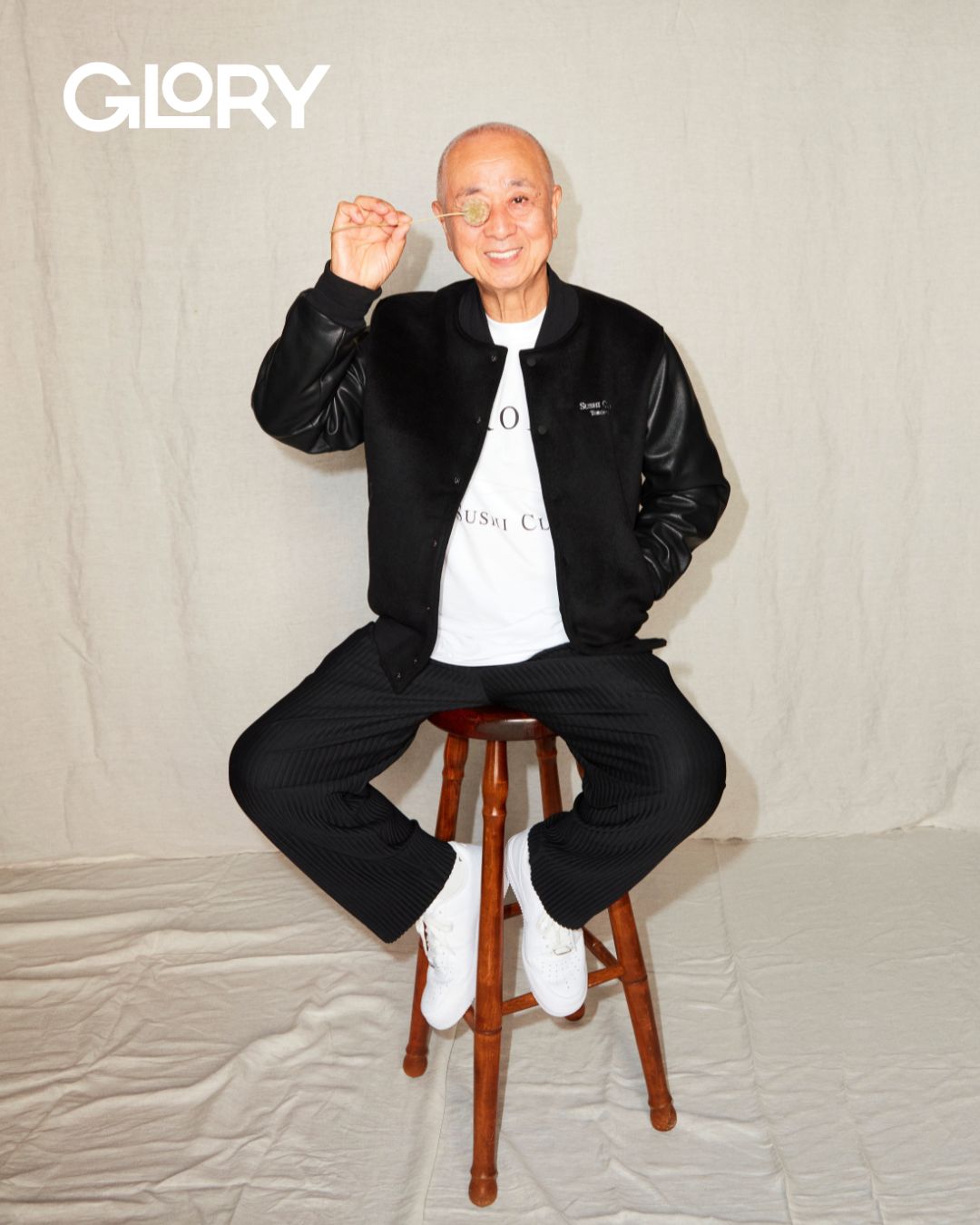
His openness to learning is just as integral to his success as his culinary expertise. Despite his remarkable achievements, the 75-year-old chef remains humble and eager to expand his knowledge, drawing inspiration from younger chefs and diverse cultures. “I like to learn from other people, countries, chefs, and other cultures of food.”
While he has stayed busy and remains energized, Matsuhisa finds his happiest moments remain delightfully simple. Even after decades in the business, his greatest joy comes from watching customers savour his food. “I’m so happy to see customers come and eat my food, laughing, drinking, enjoying the times,” he says. It’s this pure connection that keeps his restaurants as vibrant as their founder.
At the end of a session with his head chefs, when they create a dish and it’s time to determine its success, Matsuhisa’s approach is refreshingly straightforward, even rational. It’s not about elaborate formulas, rigid expectations, or chasing Michelin stars—he knows a dish works because, even after all these years, he can simply look out into the dining room, watch a customer take a bite, and see their face light up.
.