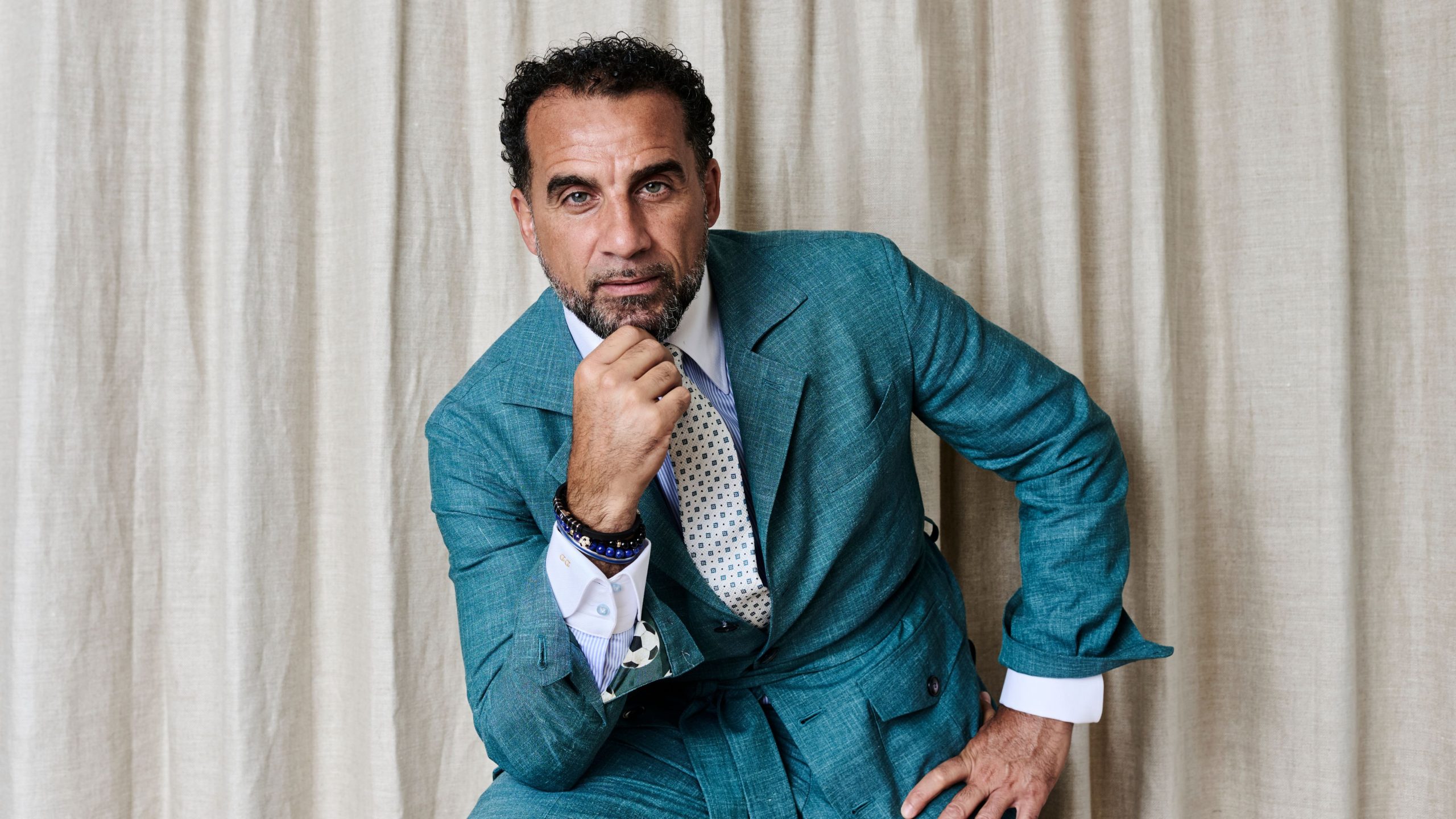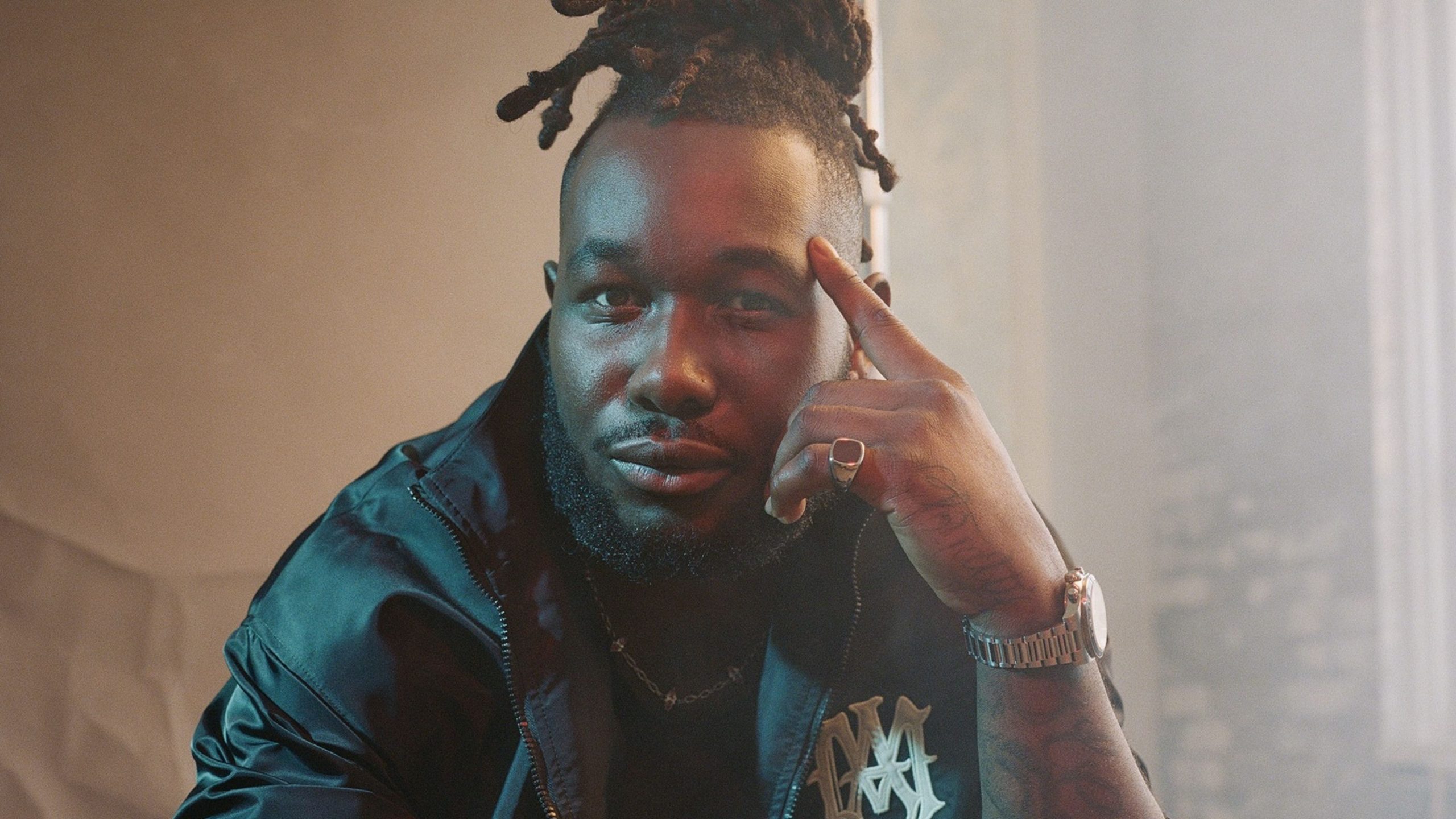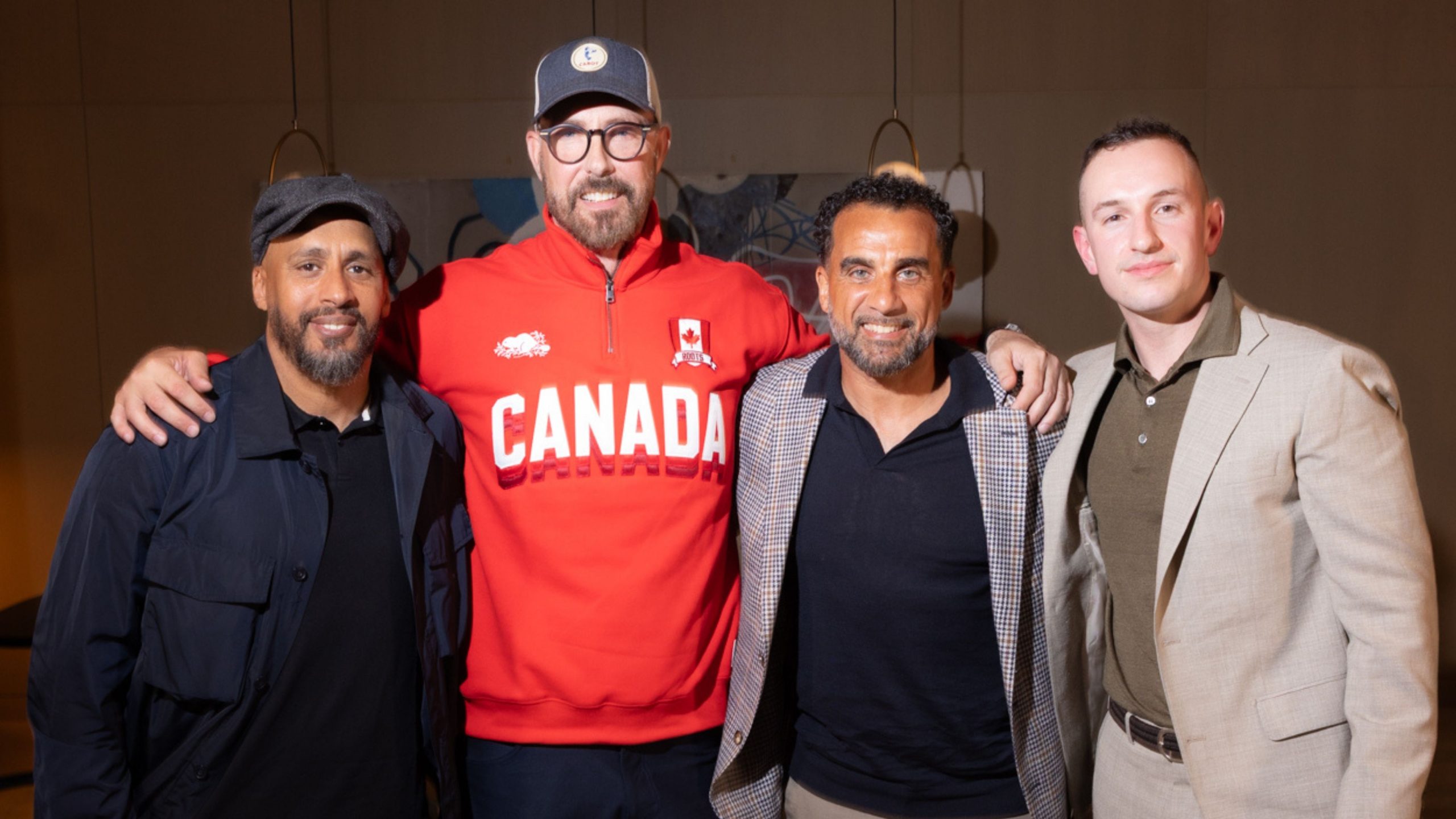
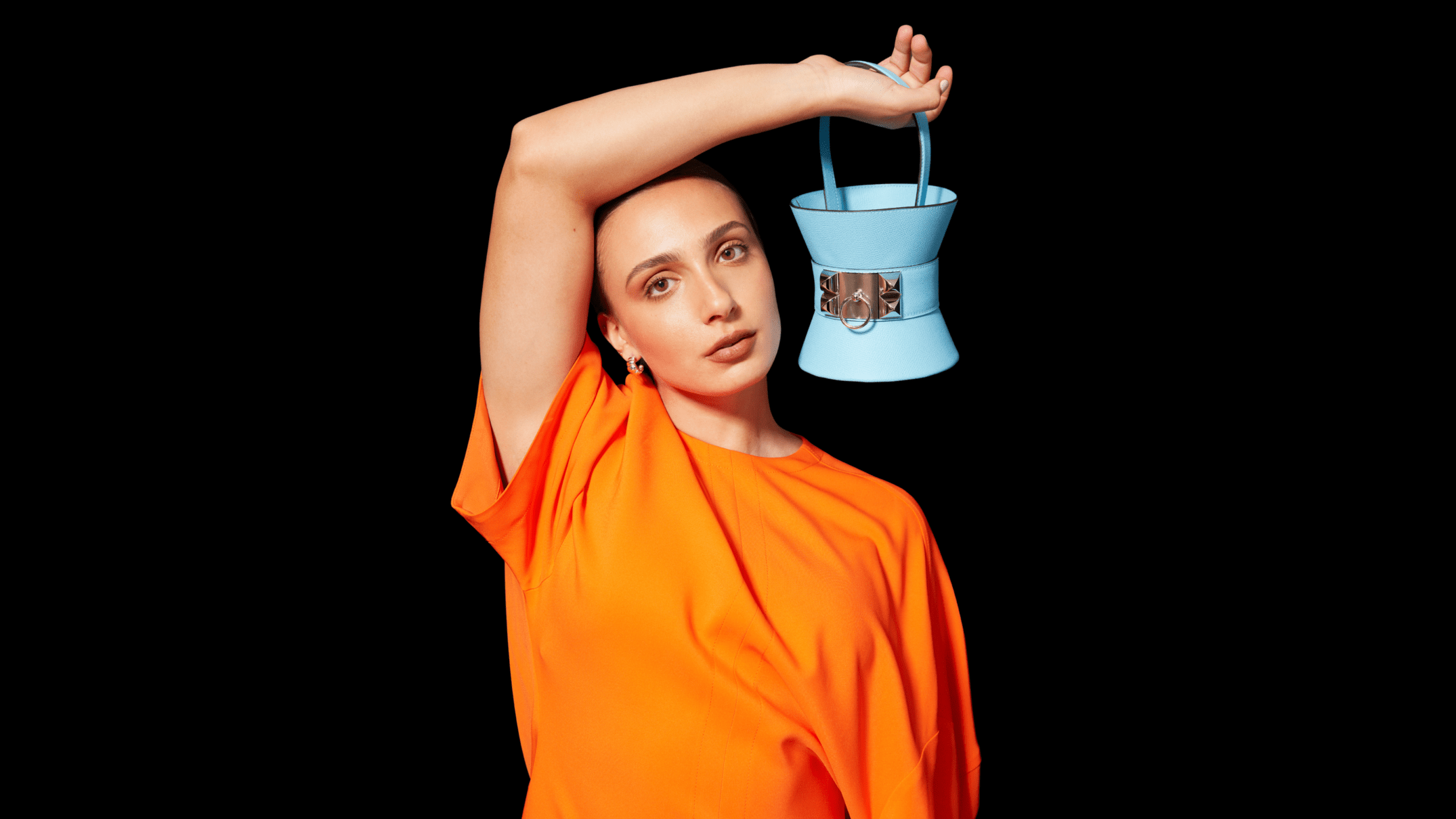

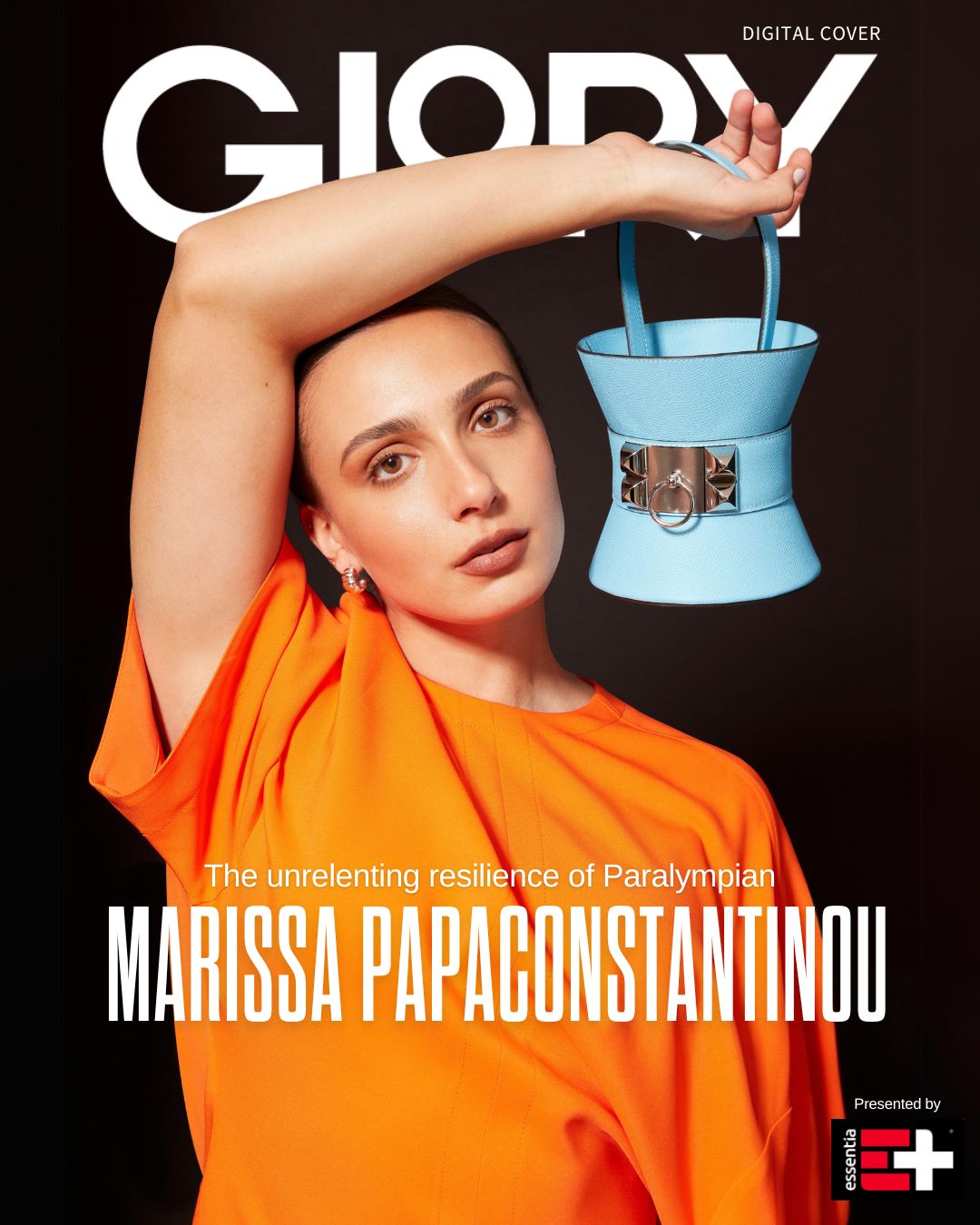
In Canada’s pantheon of athletic greats, few stories captivate and inspire like that of Canadian Paralympic and world sprint medalist, Marissa Papaconstantinou. Her journey from adversity to acclaim is a testament to the unyielding spirit of perseverance that defines champions. A Syme’s amputee (where an amputation is done through the ankle joint), Papaconstantinou has faced obstacles that would deter most. Yet, with unwavering resolve and focus, she transformed her limitations into fuel for greatness.
Like a modern-day gladiator, Papaconstantinou conquers the track with the grace and power of a true athlete, shattering preconceptions and redefining what it means to compete at the highest level.
Here, Papaconstantinou chats with GLORY Sports about her prolific career journey, trials and triumphs, and giving back to her community.
What initially drew you to the world of running?
Marissa Papaconstantinou: I first got into track and field when I was 12 years old. I was always exposed to [the sport] from a young age, but it was really because of Stefanie Reid. She competed for Great Britain and used to compete for Team Canada. She also just so happens to have the same disability as myself. I saw her get a running blade, compete for Team Canada, and start to win medals and do amazing things. I realized that there was a space in sport for me. I got my first running blade as soon as I could and entered a local track club, Phoenix Athletics, in Scarborough and the rest is kind of history.
You started your career at such a young age and went on to become a youth athlete model for the Canadian Paralympic Committee’s ‘It's More Than a Sport’ campaign. What was that experience like?
Marissa Papaconstantinou: You’re being thrown into a high performance sport and then also kind of being a role model to others. After that campaign and watching the London 2012 Games, I made it my goal to compete at the Paralympics one day. It was really a moment where I started to realize that my role in sport was going to be beyond just competing for and winning medals. It was also about setting a really good example for the next generation, even though I was that next generation.
RELATED: Sarah Nurse is Pioneering the Next Generation of Hockey
I got my first running blade at Holland Bloorview Kids Rehabilitation Hospital when I was 12. I remember just running up and down the hallway of the hospital with my running blade for the first time feeling like I had two feet for the first time. I was really excited to have this new device and a whole other level of mobility that I had never experienced before. I remember just doing my thing, and this little girl, who has the same disability as me, looked at her mom and said, “when I grow up I want one of those, too.” Although I was so young, at that very moment, it opened my eyes to what sport was really going to mean beyond just competing and making the Paralympic Games.
How do you get yourself in the mental space for a race?
Marissa Papaconstantinou: Track is very mental and it's been such a learning curve over the course of my career on how to be a good racer beyond just the competition. It’s about doing all the easy things right in training. But also, 90% of it is mental. I think a big part of it is being prepared and knowing that you're prepared.
The first step was not being afraid of failure, and that's the biggest thing going into any race. It’s about not being fearful of the fact that I might not achieve what I hope to, and that's okay. I let go of what people thought of me. I let go of the expectations of how I held myself and what I wanted to do. It came down to just having fun, putting everything out there, and focusing on my lane.
I have a mantra that I try to live my life by. I refer to it as ‘riding the wave.’ This is something that I just feel like is a constant reminder to be present and live in the moment in anything I'm doing in life.
Were there certain moments that specifically helped you learn these lessons?
Marissa Papaconstantinou: There were a lot of things that I had to overcome from a young age, and that just came with being thrown into a high-performance sport very early and making my first Paralympic team at 16 years old. I had to learn over and over again how to fail. It wasn't just one time, it was a lot of times and consecutive years of showing up to championships and not having an outcome that I knew I was capable of or really wanted. Getting disqualified for stepping on the lane boundary in Rio at my Paralympic debut race, tearing my hamstring in the 2017 World Championships, or showing up to the World Championships in 2019, injured and very fearful of failure at that time. It is easy to get caught up in what other people think about you and wanting to prove your worthiness, but it’s about proving that the things I was achieving were earned because of my performances.
Out of that hamstring injury came this beautiful moment that is symbolic of what the Paralympics is about. Your competitors helped you over the line after a devastating injury. It's an amazing sporting moment. What did it mean for you to be a part of that wonderful display of sportsmanship?
Marissa Papaconstantinou: It really was a pinnacle moment of my career. Firstly, it showed me that I was a lot stronger than I thought I was, and it showed other people what perseverance looks like. In that moment, when I got up and I walked across the finish line, I wasn't thinking anything more of it other than the fact that it's okay, you've never not finished a race, get your butt across the finish line. Looking back, I realize that it meant so much more. The standing ovation I received from the crowd of 30,000 people at London’s Olympic stadium, and what I received online after of people posting quotes with a picture of that moment. It is a very dramatic and emotional thing to look back on.
I'm so grateful that I went through that because it taught me so much about myself. I think most importantly, it's really another testament of being an example for other people. It doesn't matter how many times you fall down, it's about every time you get back up and the process of putting one foot in front of the other every single day, regardless of what you're going through.

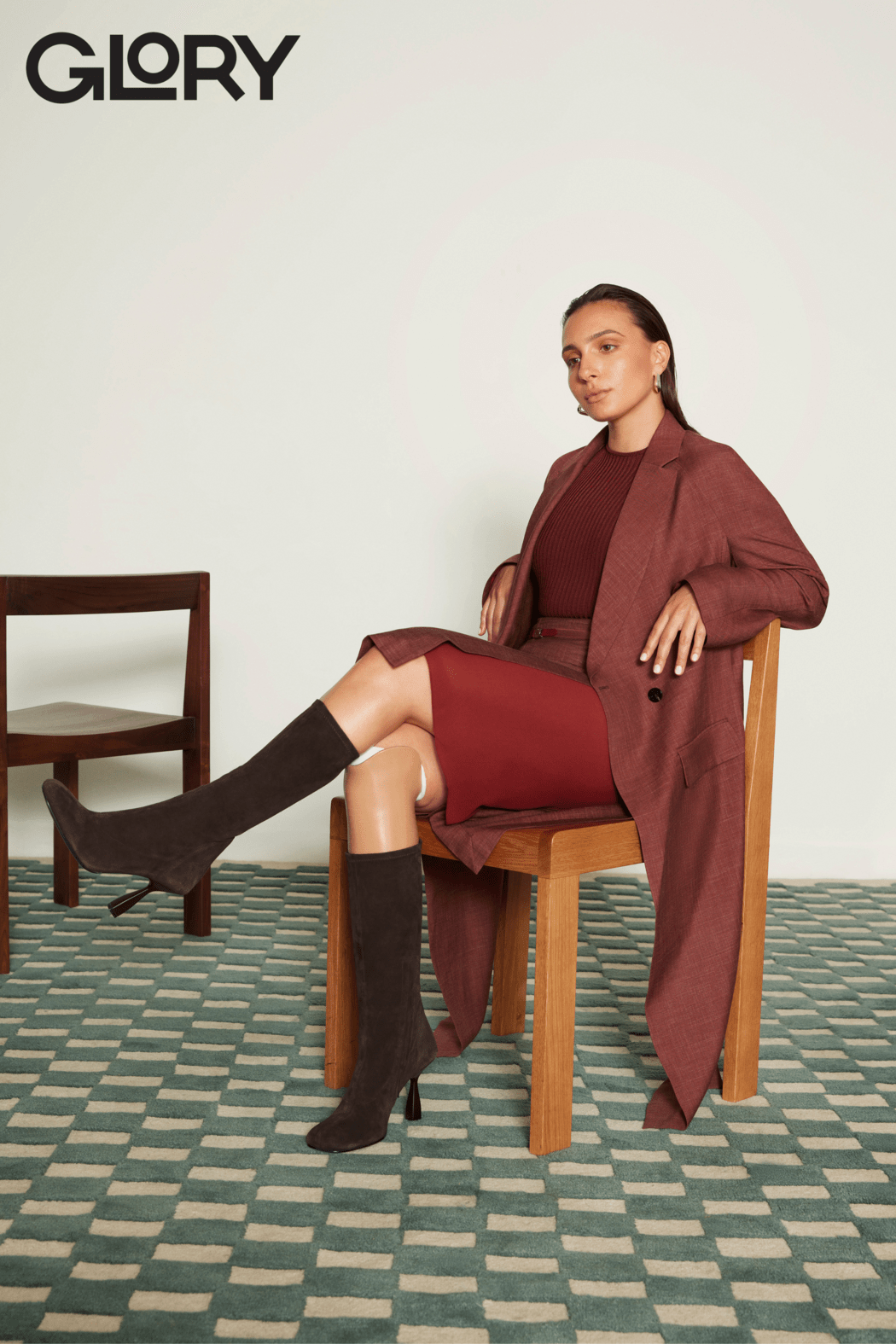
You've done so much work in your community, working with various organizations like Right to Play and Scarborough Health Network Foundation. You're also an ambassador for Holland Bloorview and occasionally pop into university classes. How important is it for you to be so active and engaged outside of your sport?
Marissa Papaconstantinou: I grew up in a family that always emphasized the importance of giving back. I've been a patient at Holland Bloorview since I was eight months old, and they've been making every single prosthetic since then. I'm very grateful and I owe a lot to that place because they showed me what I was capable of before I even knew [my own potential] as a child. They see the potential in so many other youth across Canada and around the world. Being able to give back to a place like Holland Bloorview, be an ambassador, and set that example for the next generation by showing that a young girl missing her right leg can get a running blade and [compete] in track and field—it fills my cup every single day.
Beyond the track, many athletes have also become savvy entrepreneurs by building up their own lines of business. What has your experience been in that realm so far?
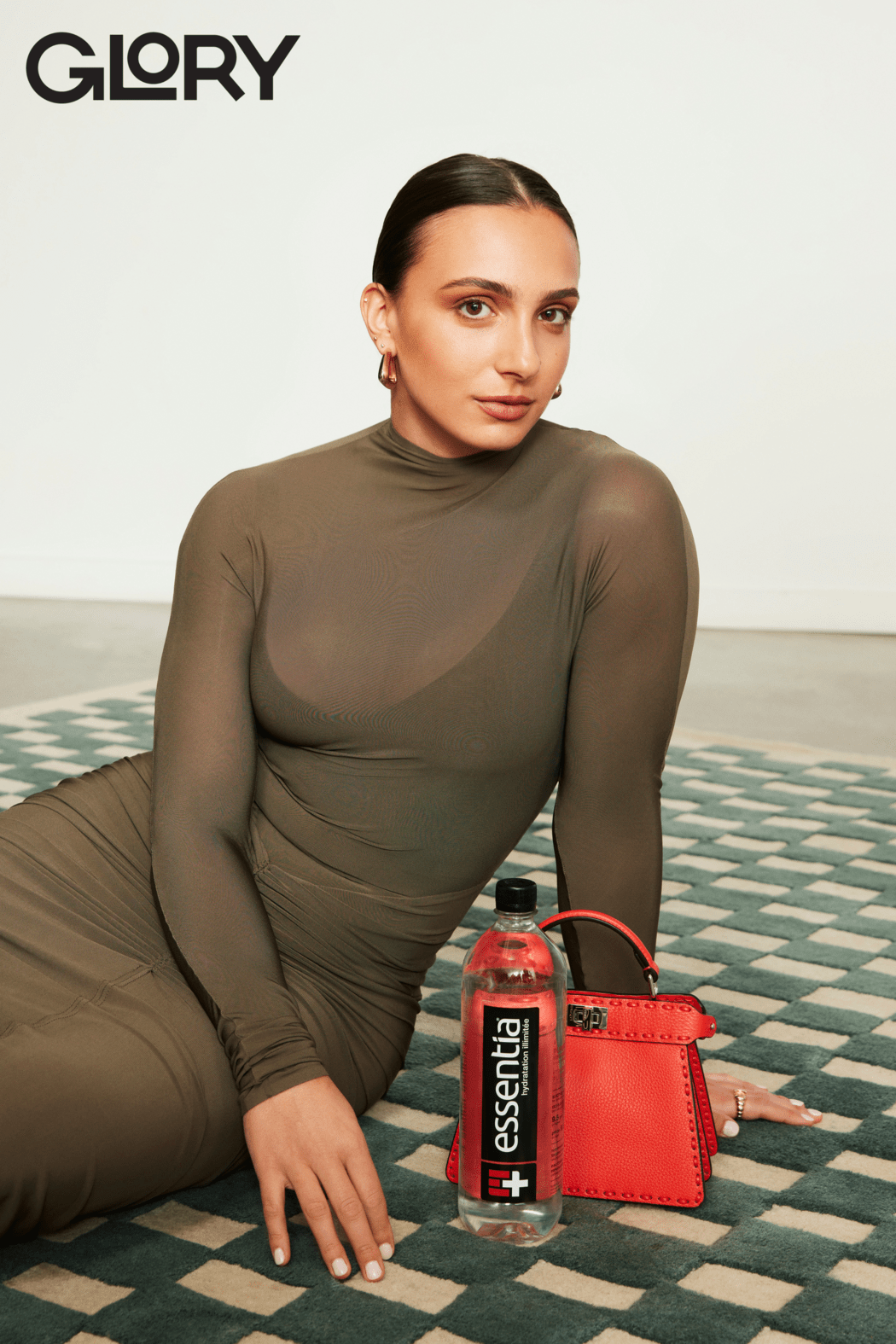
Marissa Papaconstantinou: I was thrown into this at a young age and it's always been a learning curve to figure out, but I am very grateful for the opportunity to work with amazing brands throughout my career that also align with my personal values. Brands like NIKE, who made me the first female para athlete in Canada to be a signed to them, like Toyota who are committed to improving mobility for all, and Essentia Alkaline Water, who share my story of resilience My sponsors have not only allowed me to pursue my sport professionally, but also given me really great learning experiences and things I can take into the future. I only have a short window of time as a professional athlete, so to be able to take advantage of these experiences, fill my toolbox with knowledge, and enjoy them is a big part of it for me.
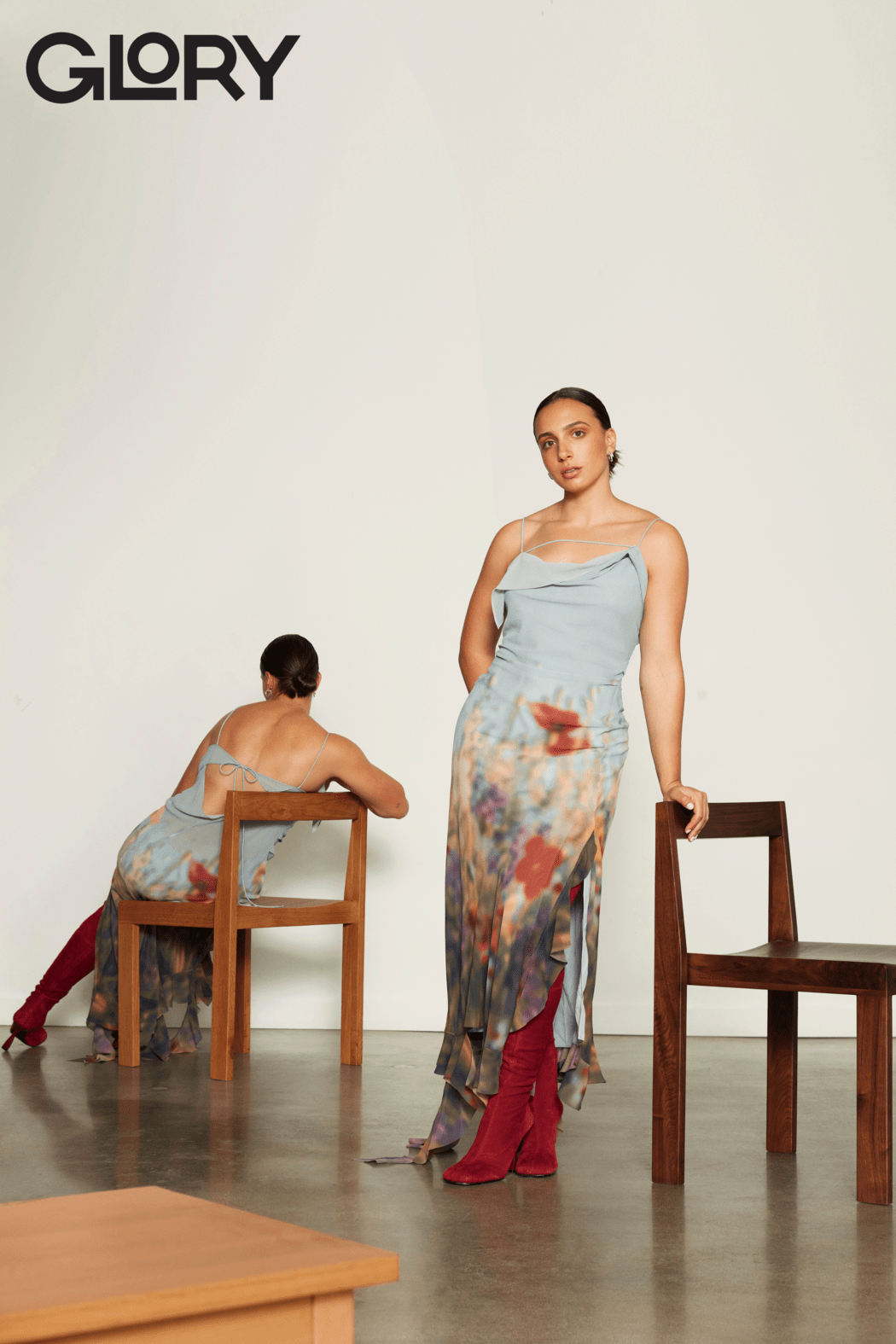
What is your definition of success?
Marissa Papaconstantinou: My definition of success means leaving this environment that I'm in better than how I found it. When I started running track and field, I didn't see people on TV that looked like me. I didn't see athletes that were different and had disabilities. I want to show young boys and girls, and people with disabilities, that there is a place for you. There's a place for you to be successful in whatever it is, whether it's in sport or any other area. I think being able to show that and the possibility that you can build a career and a life off of this is really special. There are so many other para-athletes that are now embodying and uplifting the next generation. They’re showing that it's more than sport, it's a lifestyle, and you can do amazing things.
What does GLORY mean to you?
Marissa Papaconstantinou: Glory means leaving the sport ten times better than I found it.

Photography: Saty + Pratha
Styling: Shea Hurley / Plutino Group
Styling assistant: Daniel Bartholomew
Hair and makeup: Sheri Stroh / Plutino Group
Video: Ben Botelho, Dana Rocca