

How Jesse Marsch Is Shaping Canada’s World Cup Legacy
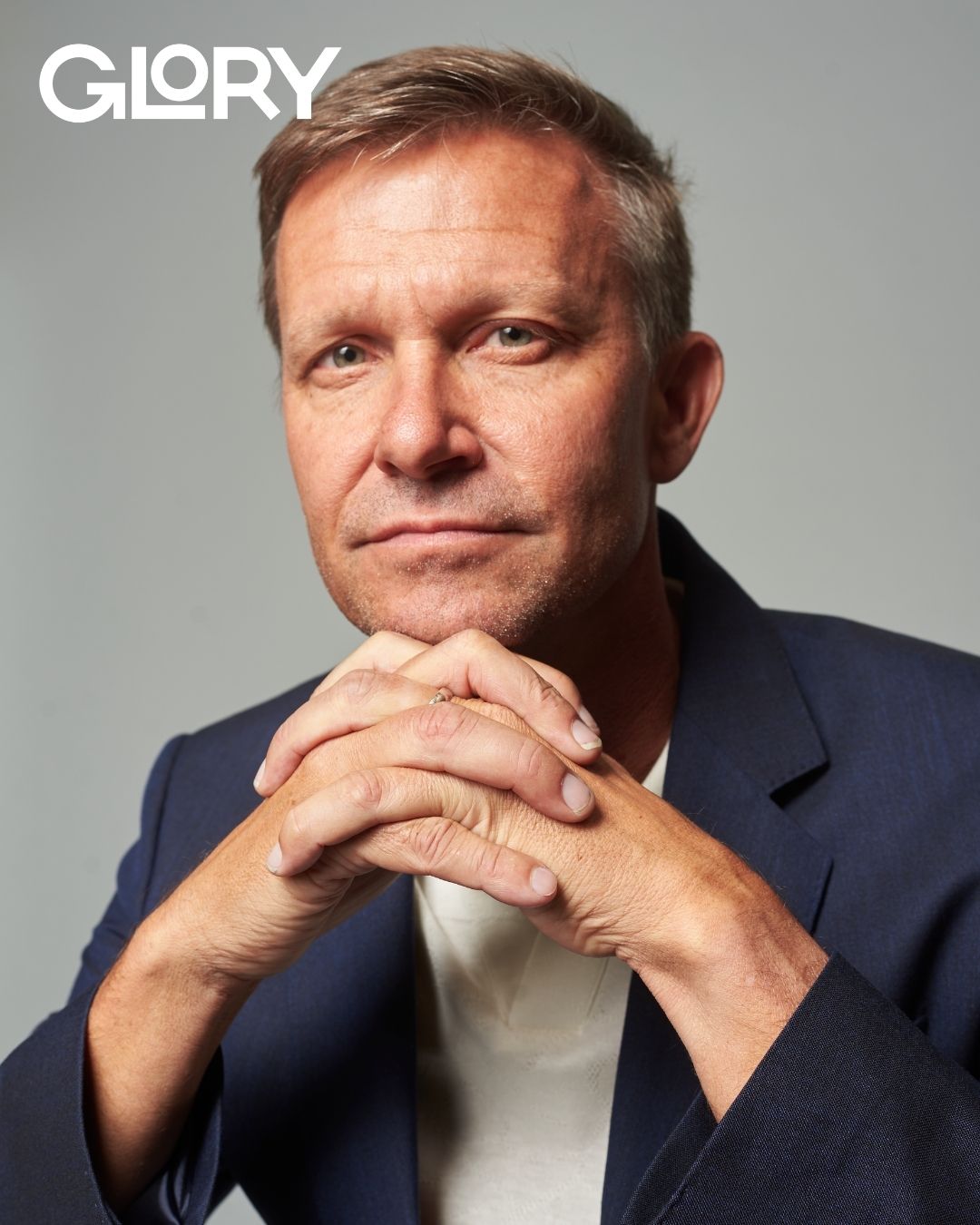
On stage at the inaugural GLORY Sports Summit (presented by GE Appliances) in Toronto, Jesse Marsch leaned forward in his chair, eyes bright, voice steady, and delivered the kind of blunt declaration that makes headlines and fuels locker rooms. “We have to win the group,” he said of Canada’s 2026 World Cup campaign. Not hope to, not aim to. Have to.
That’s the Marsch effect. A coach who has managed in the Bundesliga, Premier League, and Champions League doesn’t arrive in Canada just to play tourist on the world’s biggest stage; he comes to make a mark. And less than a year out from kickoff, he’s pushing Canadian soccer to think bigger, faster, and bolder than ever before.
The Coach Canada Didn’t Expect, but Needed
When Marsch took the job just over a year ago, he was stepping into a federation in flux. Scandals, financial challenges, and skepticism hung over Canada Soccer. He’d been approached before, but turned it down. “I’d heard the organization was a little bit messy,” he admitted. But when he met Secretary General Kevin Blue, something clicked. “This was an advanced thinker, an intelligent person, someone who had a plan. That resonated with me.”
Marsch also knew Canada wasn’t unfamiliar terrain. He had coached in Montreal, and the values he saw — generosity, resilience, community — felt familiar to a Wisconsin native who jokes he’s from “another province.” More importantly, he believed in the players. “Good players make good coaches, not the other way around,” he said. “And we happen to have a really talented group of footballers. You should all be very proud.”
Raising the Bar
Qatar 2022 gave Canada its first World Cup goal but left the team searching for its first win. For Marsch, the 2026 tournament can’t be about moral victories. With group-stage matches in Toronto and Vancouver, the target is clear: Canada has to win.
“If we finish second or third in the group, we go to the U.S.,” he explained. “If we win the group, we stay at home. And when we win the group, then we can really have a chance of making history.”
The line drew applause, but it wasn’t bravado. It was Marsch drawing a line in the sand — one that turns 2026 from a hosting gig into a legacy play.
Learning Through Failure
Marsch isn’t naive about the road ahead. He knows Canada’s Gold Cup performance was a disappointment, and he welcomes the sting. “We need bigger challenges. We need some failures,” he said. “You’re never as good as people think you are and you’re never as bad.”
When he arrived, Marsch felt only a dozen players were locks for 2026. That wasn’t enough. A year later, that number has nearly doubled. His mantra? “26 for 26.” Twenty-six players capable of meeting the pressure of a home World Cup — no passengers, no weak links.
The philosophy is pragmatic but also deeply personal. Marsch has become more than a coach to many of his players. “I never thought I would be like a father figure,” he admitted. “But the more I invest in their lives and their families, the more they know I’m behind them every step of the way.”
Defining Canada’s DNA
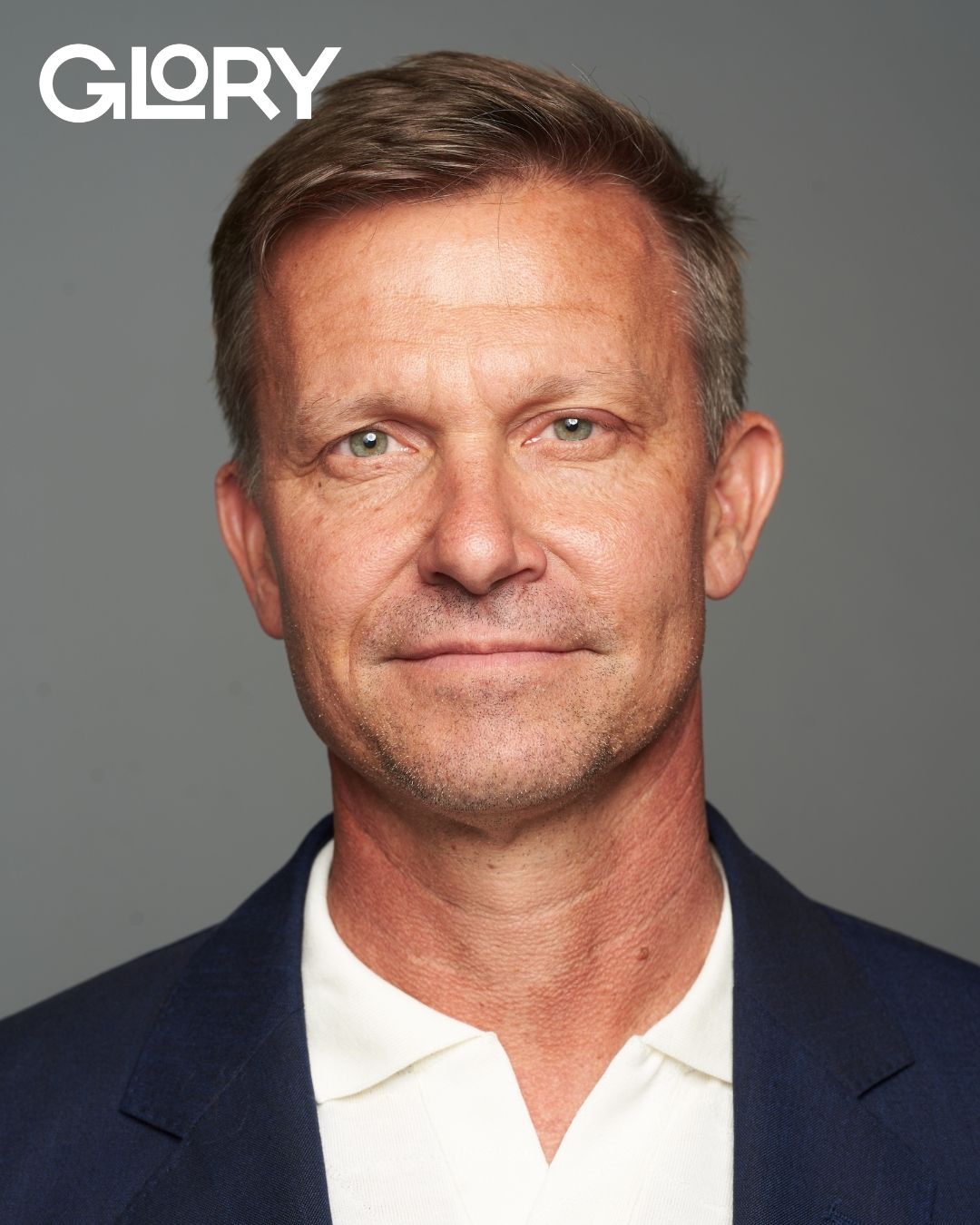
Every national team wrestles with identity. For Marsch, Canada’s is clear: speed and power. “When I took over, there was too much focus on ball possession,” he said. “We’re a developing football nation. We’re not Spain or Germany. But what we do have is athleticism and aggressiveness.”
It’s a style that matches Marsch’s own personality — high tempo, fearless, direct. “Too often football is boring,” he said. “I want players who are aggressive, who want to go after something. That’s who we are.”
For Marsch, the World Cup isn’t just about three games on home soil. It’s about reshaping Canadian soccer for decades. He sees parallels with 1994, when the U.S. hosted its first World Cup. At the time, he was a 20-year-old fan in the stands. Two years later, he was playing in MLS’s inaugural season. That ripple effect launched his career — and he wants 2026 to do the same for Canada.
“I am a direct result of the U.S. hosting the World Cup in 1994,” he said. “We need to look back 20 years from now and say our players, our coaches, our administrators — they had a chance because of this World Cup.”
It’s why he crisscrossed Canada in January, leading nine clinics in 10 days from Halifax to Vancouver. He found coaches and communities open to new ideas and hungry for connection. “I was shocked at how excited they were,” he said. “That’s when I realized it’s actually possible to create a real movement.”
The Road Ahead
There’s still plenty to fix — from youth infrastructure to affordability — but Marsch sees strength in Canada’s diversity and determination. “Our team is almost all first- and second-generation Canadians,” he said. “Their differences make them stronger. That’s been a beautiful byproduct of this experience.”
And while he talks openly about resources and development, his focus remains razor sharp: Canada must seize the moment. “Since I’ve been here, we’re undefeated at home,” he said. “And our plan is to never change that.”
As the Summit crowd applauded, Marsch’s voice hardened with conviction. Hosting the world isn’t enough. For Canada, the 2026 World Cup is a chance to declare itself not just a participant, but a contender.
“We have to win the group,” he repeated. And in that statement lay both a challenge and a promise: that Canada will no longer be content with showing up — it intends to own the stage.