
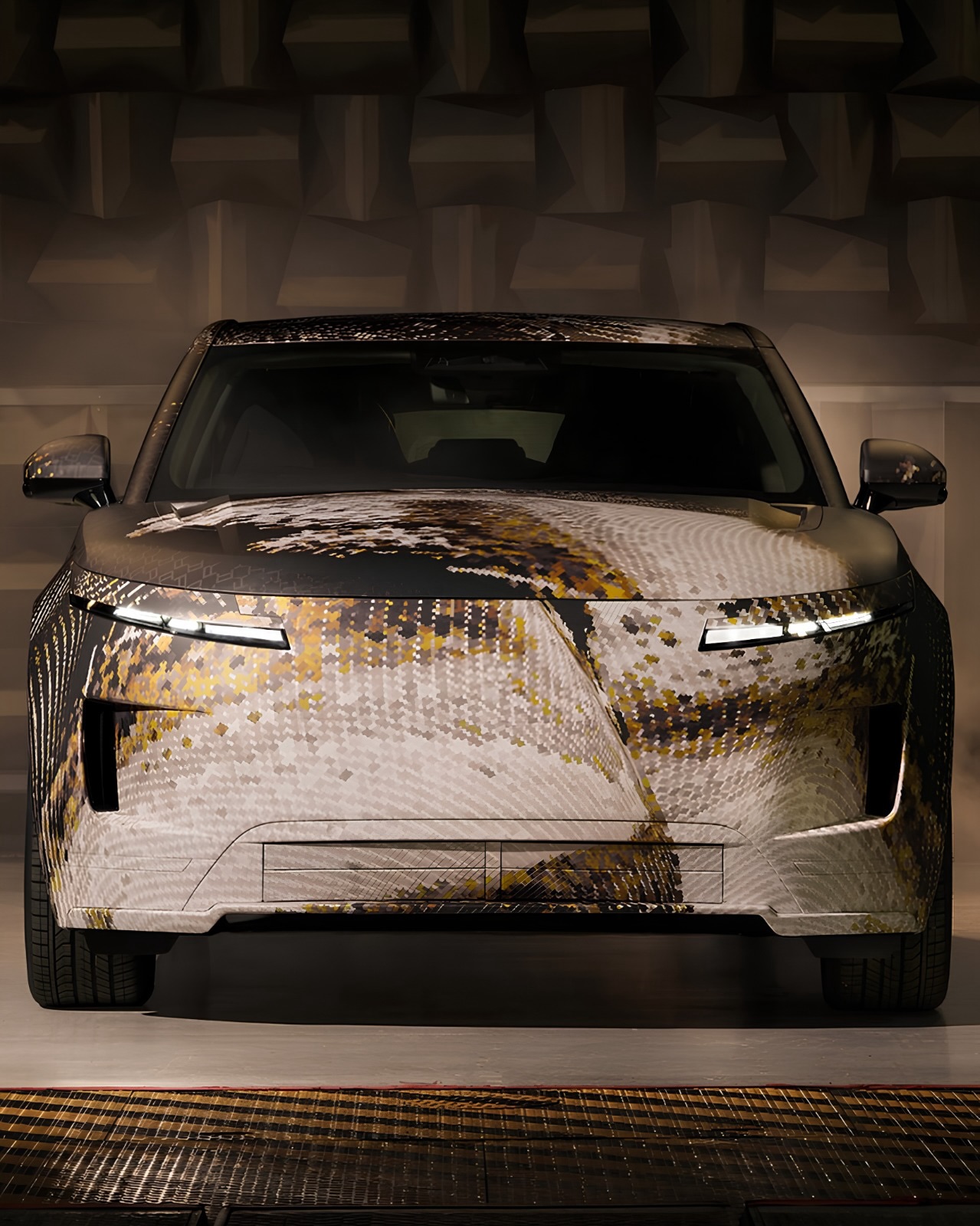
Range Rover Learns to Travel Light, and Fast
For more than five decades, Range Rover has built its reputation on height, heft, and the particular poise of an SUV that never feels rushed. The Range Rover GT rewrites that story. Revealed in July 2026, it is the marque’s first grand tourer, a low slung, fastback four door that sits alongside the Range Rover, Sport, Velar, and Evoque as a fifth pillar, but with an entirely different posture. It looks less like it wants to climb and more like it wants to cross continents before dinner.
What keeps it recognisably Range Rover is not nostalgia but restraint. The surfaces are clean, the stance deliberate, the kind of minimalist confidence the brand has been quietly refining for years. Yet the GT’s intent is unmistakable. This is not a softened SUV in eveningwear. It is a new silhouette, and a new promise.
Range Rover GT, the grand tourer turning point
If you follow luxury as culture, not just consumption, the Range Rover GT matters because it signals appetite. JLR’s Reimagine strategy has been talking about an electric, design led future. Here it becomes tangible, and beautifully specific. The Range Rover name is stepping into the world of luxury grand tourers, a space where proportion and presence are judged at a glance, and where patience for gimmick is low.
It also broadens the conversation beyond SUVs, which is why it feels at home in our News coverage, and will likely live on in the way we think about Cars and modern Luxury as design disciplines rather than status shortcuts.
An electric launch, with the long view in mind
The Range Rover GT launches as a fully electric vehicle, built on JLR’s new Electrified Modular Architecture, or EMA. The key takeaway is not the acronym, it is the confidence behind it. An 800 volt system, cell to pack battery construction, and over the air updates point to a car designed to age with dignity rather than 날짜 itself to the spec sheet of launch day. JLR is targeting around 600km of range, and a hybrid variant is expected later in the lifecycle, a pragmatic nod to markets still negotiating charging realities.
Production will take place at JLR’s Halewood plant in the United Kingdom, a fact that matters if you care about the continuity of British manufacturing beyond heritage theatre. For more context on JLR’s direction, the brand’s own overview of its strategy is worth reading at Jaguar Land Rover.
Design that does not shout, but does not apologise
The most compelling grand tourers make speed feel like a byproduct of elegance. The Range Rover GT seems cut from that cloth. Think long distance geometry, a roofline that pulls the eye rearward, and a body that reads as calm even when it is obviously capable of being very quick. This is Range Rover’s minimalist design language, translated into something sleeker and more athletic, without tipping into aggression.
It is an interesting counterpoint to the wider electric performance landscape, where theatrics sometimes substitute for taste. In the GT, the message is quieter. The power is assumed.
Inside the Range Rover GT, restraint becomes luxury again
Step into the cabin and the philosophy sharpens. The Range Rover GT leans into the idea that true luxury is not an inventory of features, it is a feeling of being unbothered. A large central touchscreen anchors the dash, but it is balanced by tactile controls, the sort you can find with your fingertips on a dark motorway without breaking your concentration. Materials are positioned as punctuation, not wallpaper, and the overall effect is calm, composed, and designed for hours rather than minutes.
Rear seating is treated with the seriousness of chauffeur driven buyers, which is a very Range Rover instinct carried into a new body type. This is a car that understands airports, hotels, and the quiet theatre of arriving without fuss.
Where the GT fits, and why it will matter
The Range Rover GT will inevitably be compared to established four door grand tourers, not because it mimics them, but because it now inhabits their world. The difference is the brand’s particular blend of presence and minimalism, and the willingness to launch this new chapter as electric first. For readers keeping tabs on the market, broader EV context lives at the International Energy Agency, while the industry pulse is often best tracked through Autocar.
Still, the most persuasive argument for the Range Rover GT is emotional. It feels like a brand choosing to evolve its identity rather than simply extend it. After decades of building vehicles that mastered terrain, Range Rover is now building one that masters distance, and mood.
Image Credits: The Echelon Society .