

For an industry facing rising costs, shifting diner expectations, and increasing public scrutiny, restaurants are reducing their footprints or quietly exiting the market. Some operators, however, are taking a different approach.
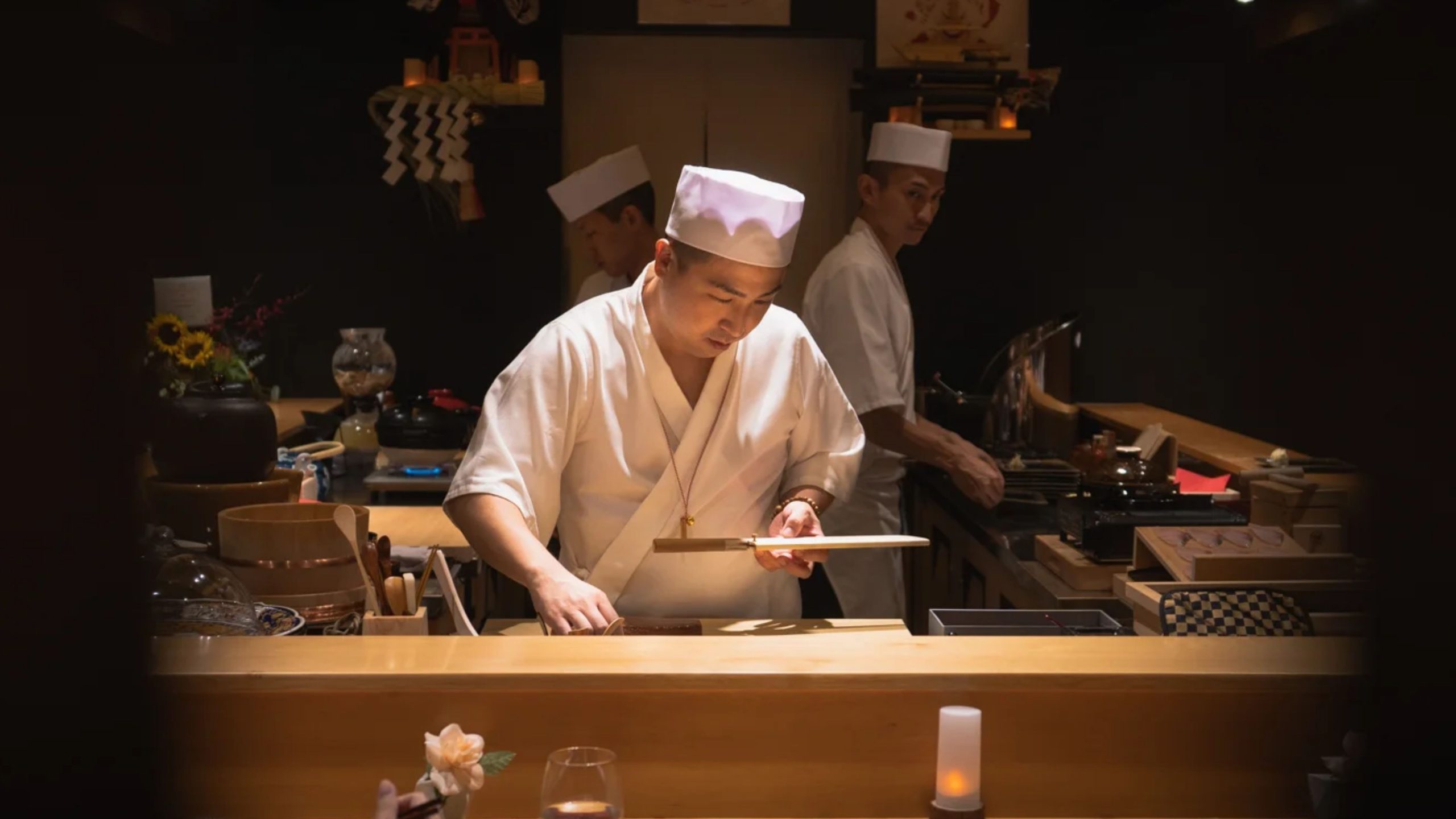
In Toronto, Mimi Chinese is reopening following a full interior renovation led by chef David Schwartz and Brandon Marek. Alongside Braden Chong, the renovation is redefining how Mimi Chinese functions, looks, and communicates its values.
This reopening comes at a precarious moment for the Canadian restaurant industry. According to a forecast by the Agri-Food Analytics Lab at Dalhousie University, approximately 7,000 Canadian restaurants closed in 2025, with another 4,000 projected to close in 2026, primarily due to affordability pressures and weakening consumer demand. Meanwhile, Restaurants Canada’s research indicates that about 44% of foodservice businesses in Canada were operating at a loss or only breaking even as of mid-2025, a sharp increase from previous years.
Diners themselves are adjusting their habits. While dining out may be less frequent, people are simply making more informed choices about where, when, and how they spend. This shift in diner behaviour highlights the need for restaurants to adapt, whether through operational efficiencies, creative partnerships, or reinvention of their brand identity.

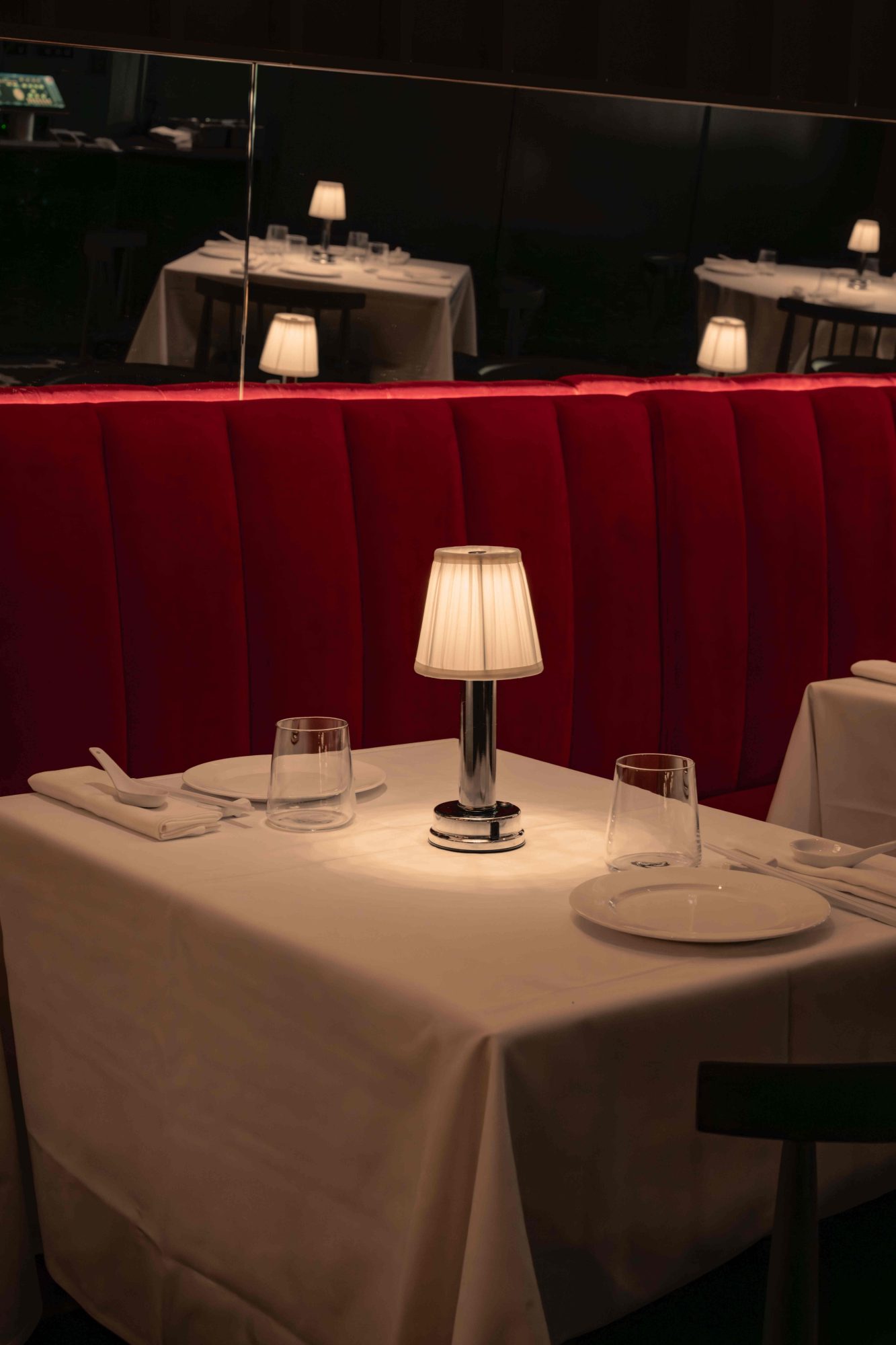
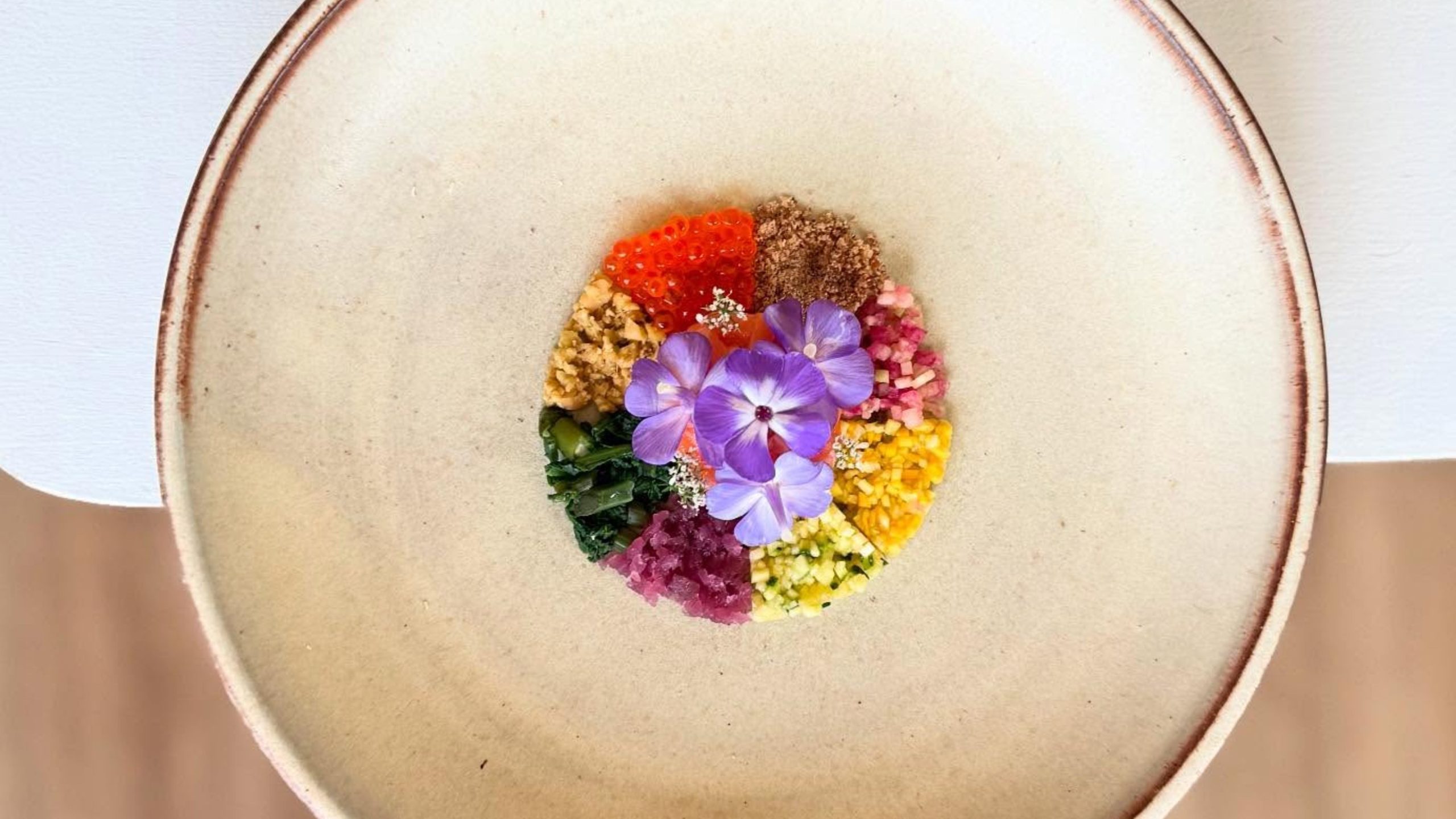
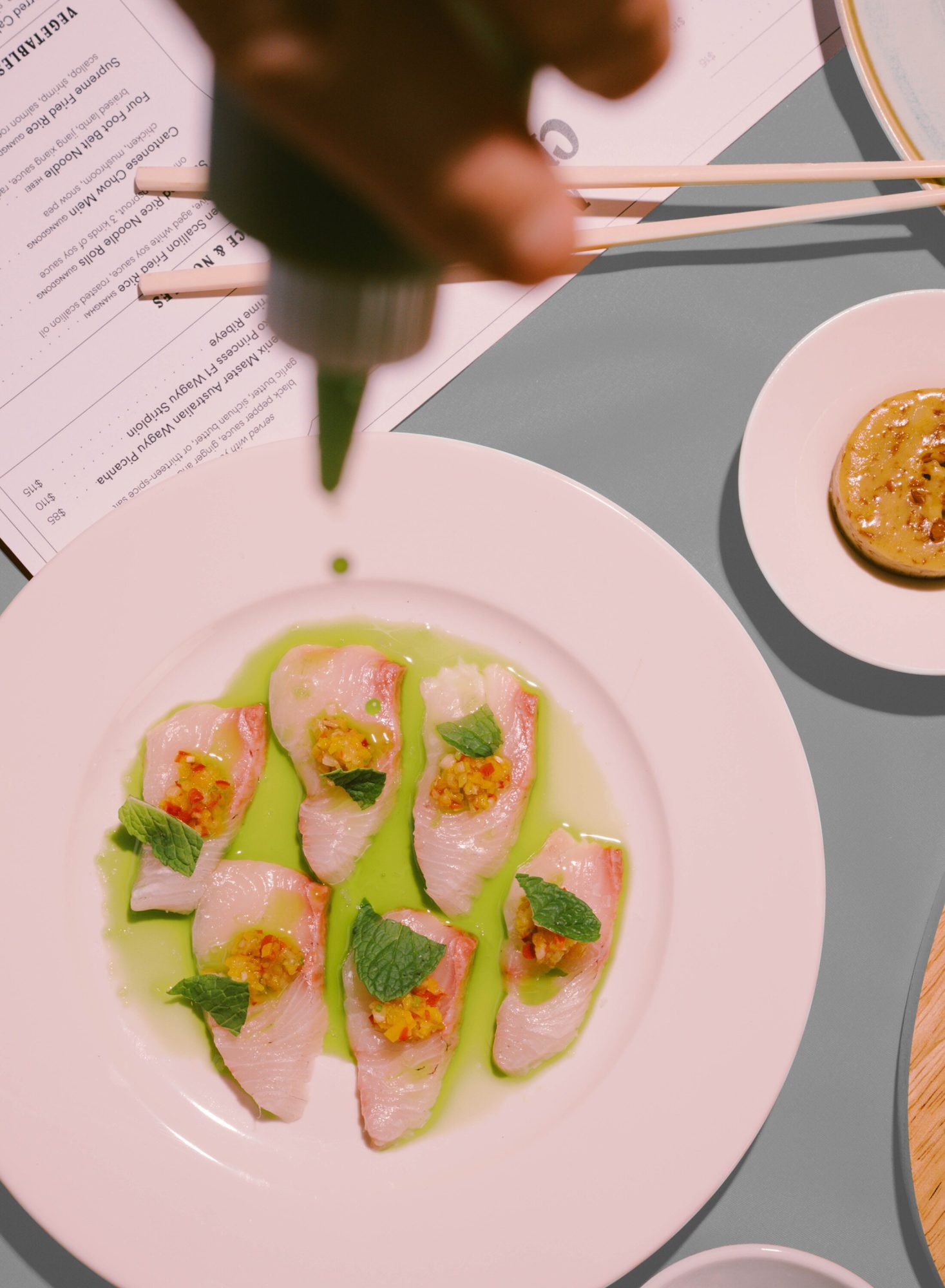
Mimi Chinese’s reopening demonstrates a strategic approach to attracting those who dine out with intention. The restaurant’s recent collaboration with Top Chef and Iron Chef winner Mei Lin marked a creative turning point rather than a publicity-driven moment. I attended the collaboration and the food was delicious with well-balanced flavours that truly hit the spot.
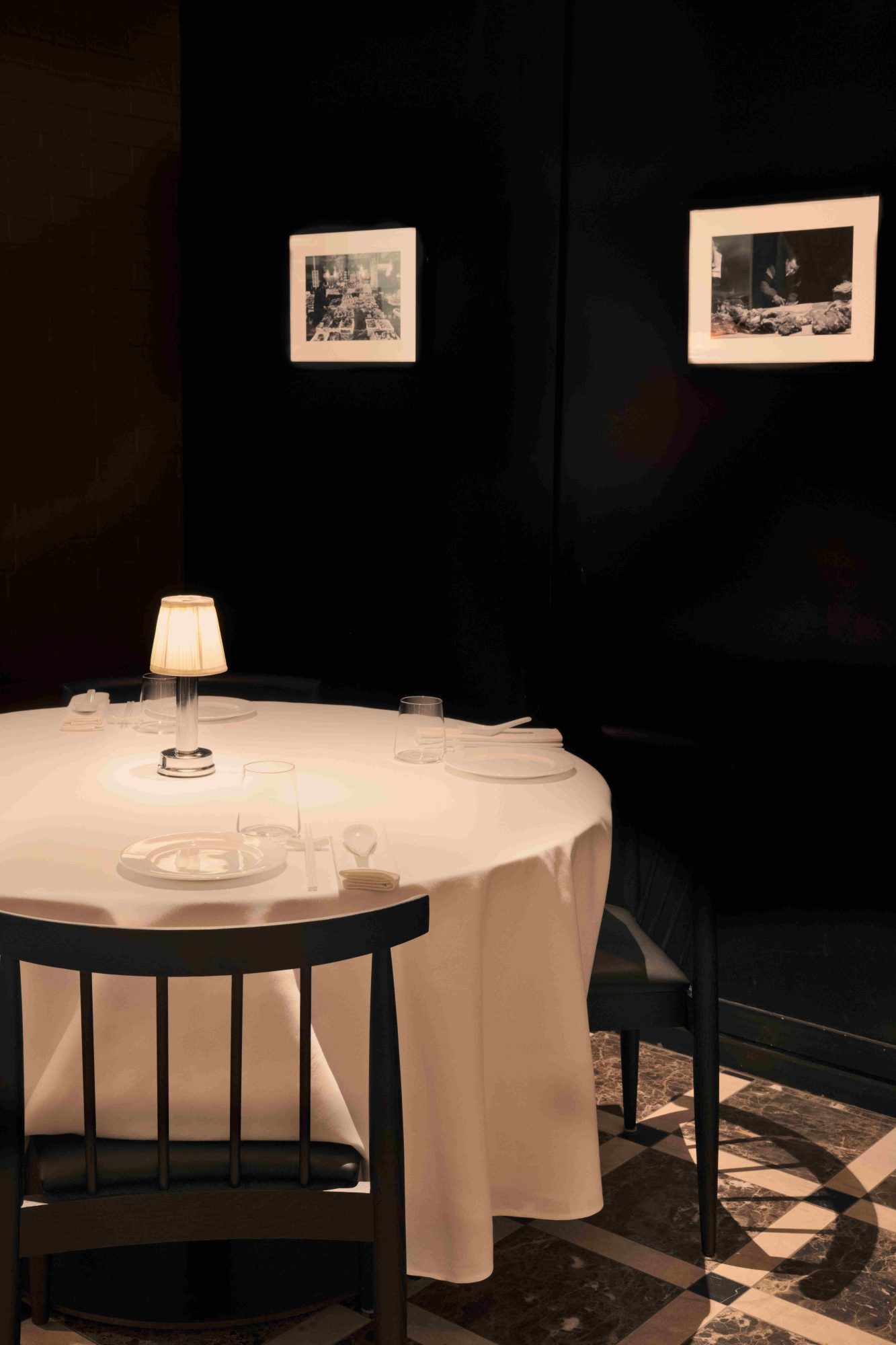
The interior of the restaurant has been transformed into an approachable space that feels open, bright and welcoming without pretension. According to chef Braden Chong, the changes go beyond aesthetics. “While our team and core philosophies remain, this next chapter is about focusing on what we do best and what makes this restaurant special—continuing to celebrate our love for Chinese food and welcoming people to share that joy with us.” He adds that through new menu items and refreshed classics, the goal is for Mimi Chinese to become “a favourite hangout for any occasion.”
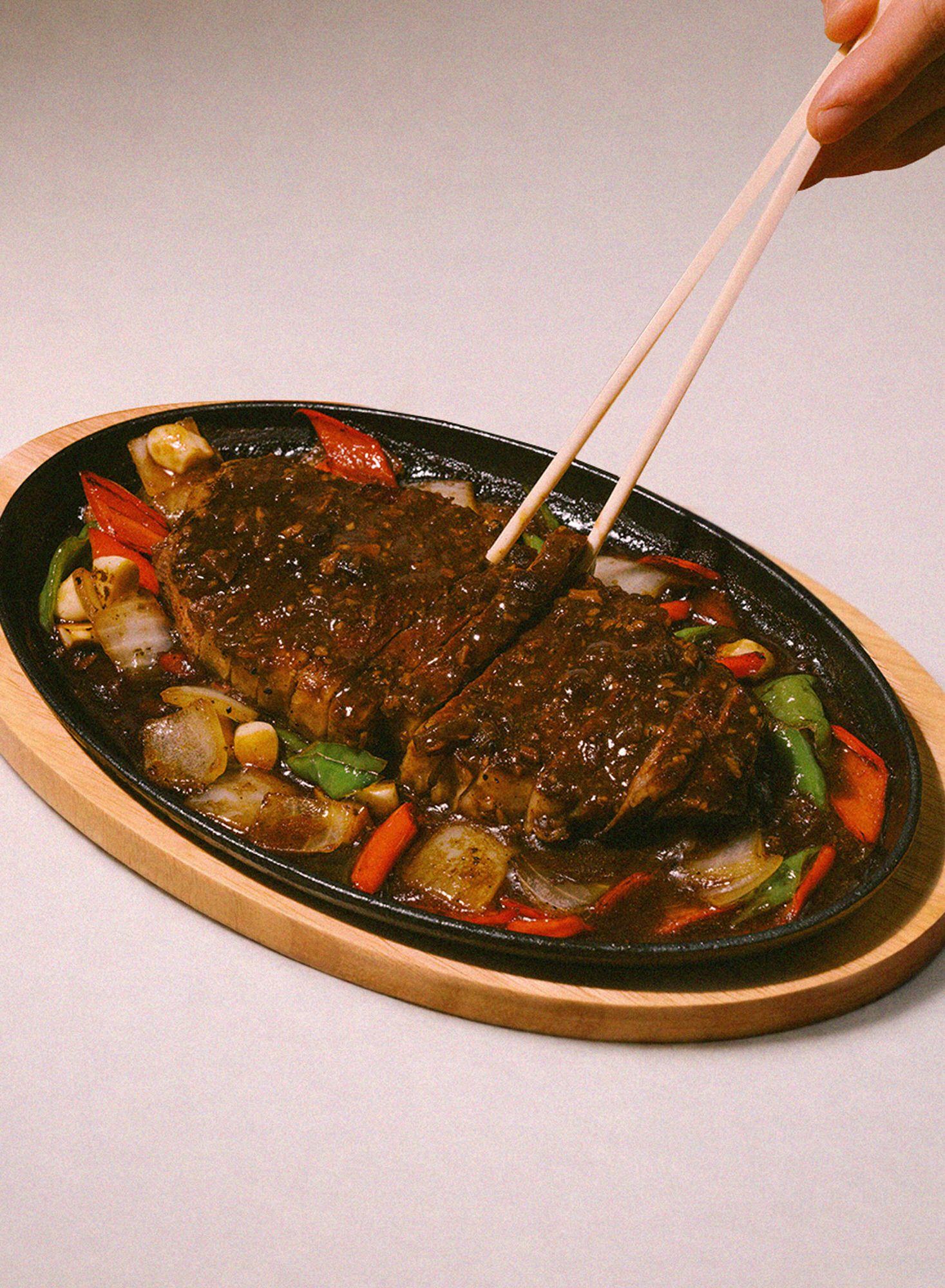
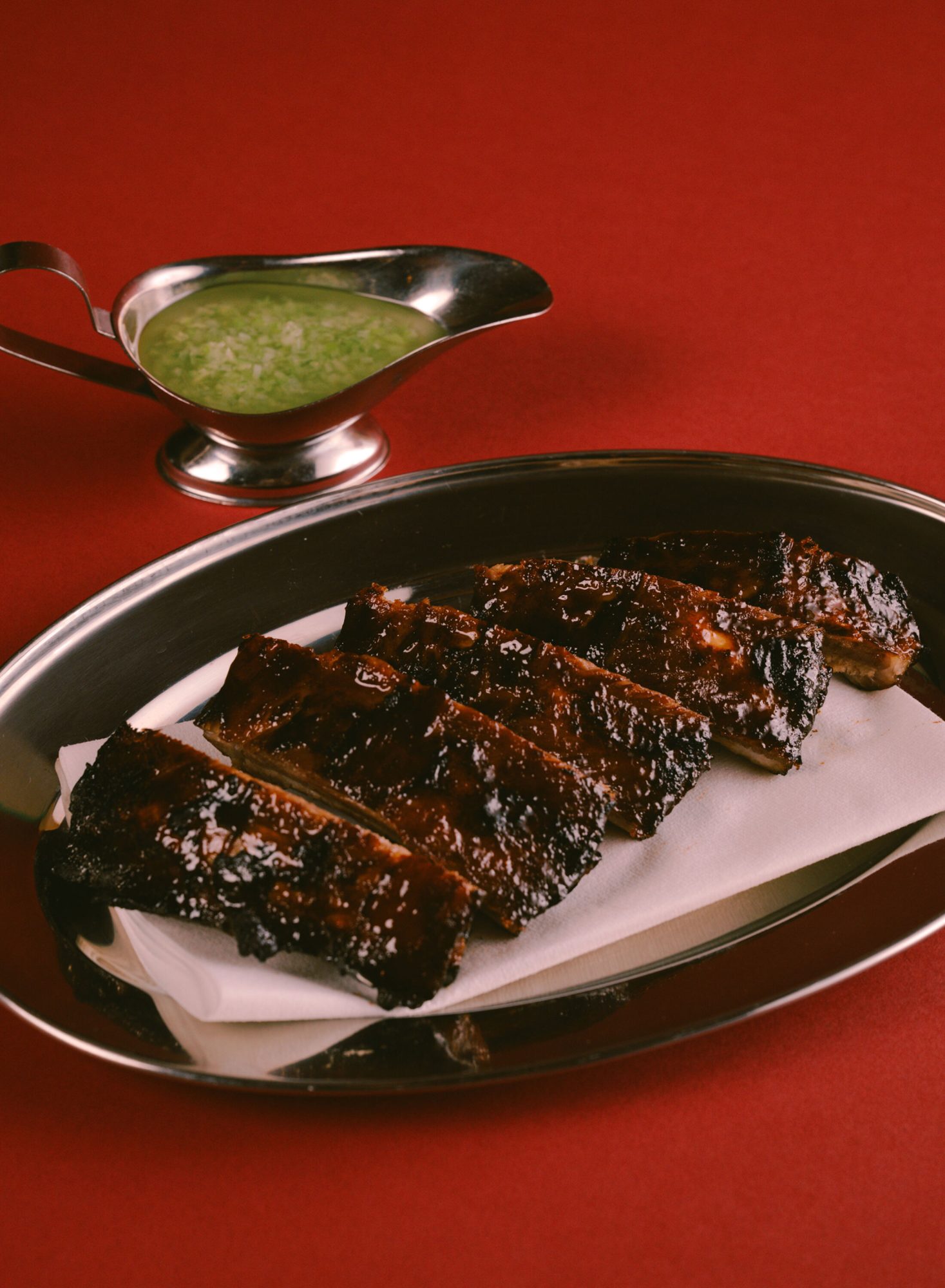
The menu has also been redesigned to reflect this philosophy. While à la carte options remain, a $99 Chef’s Choice invites diners to trust the kitchen with a curated selection of signature dishes. New offerings, including steaks served on sizzling Hong Kong–style hot plates, speak to diners seeking both comfort and creativity. Chef David Schwartz describes the evolution as a refinement. “We’re continuing to explore regional Chinese cooking with a focus on quality ingredients and a point of view shaped by what Canada has to offer,” he says, noting that the refreshed menu and space are designed for everyday dining and finally reflect the restaurant’s true identity.
Other Toronto restaurants are taking similar approaches to respond to shifting diner expectations. In Oakwood Village, Porzia’s recently redesigned the front of their space after feedback about uncomfortable window seating, replacing high counters with booths. The restaurant also revamped its beverage program to focus on approachable wines by the glass and expanded non-alcoholic options.
A different, but equally intentional form of adaptation, can be seen at the newly opened Bar Allegro. Pivoting from Vinoteca Pompette, the restaurant returns to its original vision as a flexible wine and cocktail bar inspired by the social cultures of France, Italy, and Spain. The unreserved space is designed for everything from a single drink to an impromptu evening out. “With Allegro, we’re coming back to what we always wanted to create,” says co-founder and chef Martine Bauer. The name itself evokes lightness, movement, and joy.
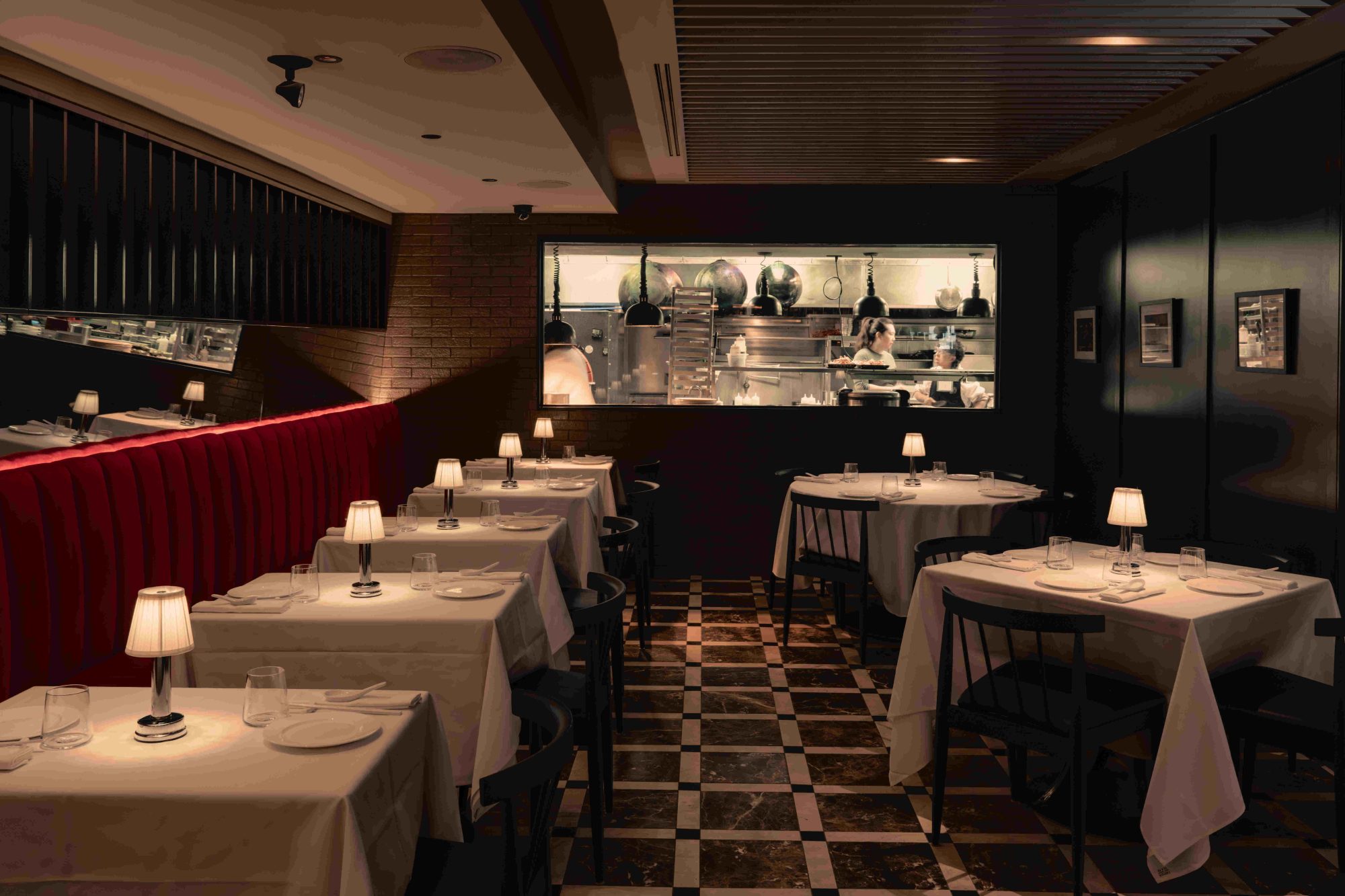
While few restaurants can realistically afford to embark on a full-scale renovation, Mimi Chinese’s reopening illustrates a more transferable lesson about resilience in today’s hospitality landscape. The most meaningful shifts are not always physical but strategic. It can be price transparency, thoughtful menu design, intentional partnerships, and a willingness to evolve in public. Mimi Chinese’s transformation is not a blueprint to be replicated but a case study in second-generation leadership by showing how restaurants can respond to criticism, earn trust, and remain relevant without abandoning their core identity.
In an industry facing ongoing pressure, making thoughtful changes and being open about them can help restaurants build long-term resilience, regardless of scale.