
The Stewardship of Legacy
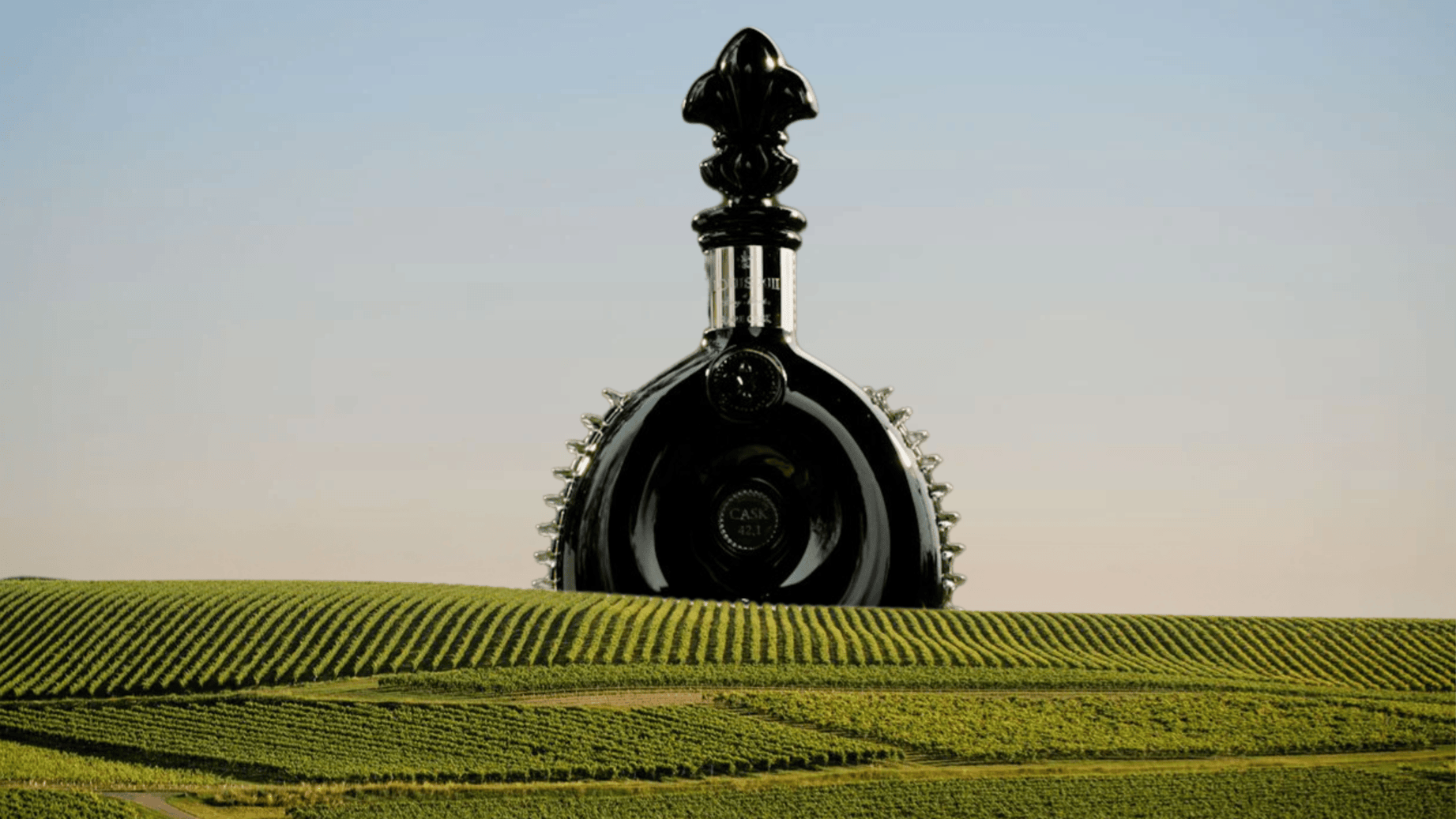
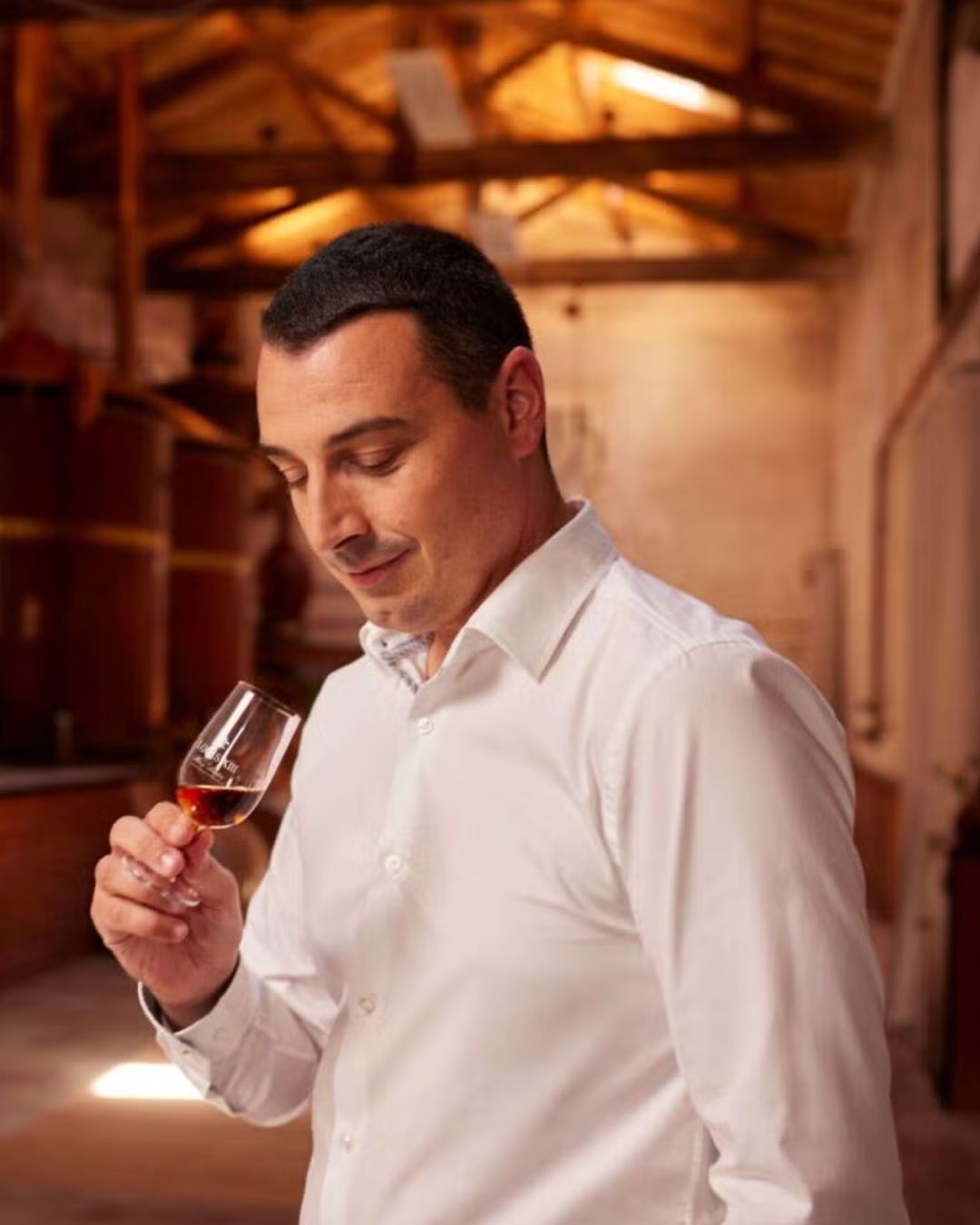
Loiseau’s role is an act of defiance when set against a backdrop of a culture obsessed with instant gratification. He does not rush. His approach isn’t just about making exceptional cognac—it’s about protecting a place, a method, and a way of life that has endured for over 150 years. He’s a steward of LOUIS XIII's tradition, deeply rooted in the land of the Grande Champagne region, where the vineyards stretch across generations. The very act of aging cognac for over a century is an affirmation of the value of time itself. But Loiseau’s stewardship is not without its challenges. The world is changing, and climate change has become his greatest adversary. He describes it as the defining challenge that will mark his tenure as cellar master, fought not just on a personal level, but one that threatens the future of the very vineyards that produce the grapes essential for LOUIS XIII's cognac. In an age where global warming affects harvest times, grape yields, and aging conditions, Loiseau stands as both a craftsman and a defender of nature. “This is my challenge,” he says with a quiet intensity. “It’s something we see every year in the vineyards. We need to adapt.” He views his responsibility as not just that of a cellar master, but as a steward of the land, tasked with preserving the essence of the terroir for the future. “If we don’t take care of the terroir, there is no future for the eaux-de-vie,” he warns, underscoring the fundamental link between nature and the finished product.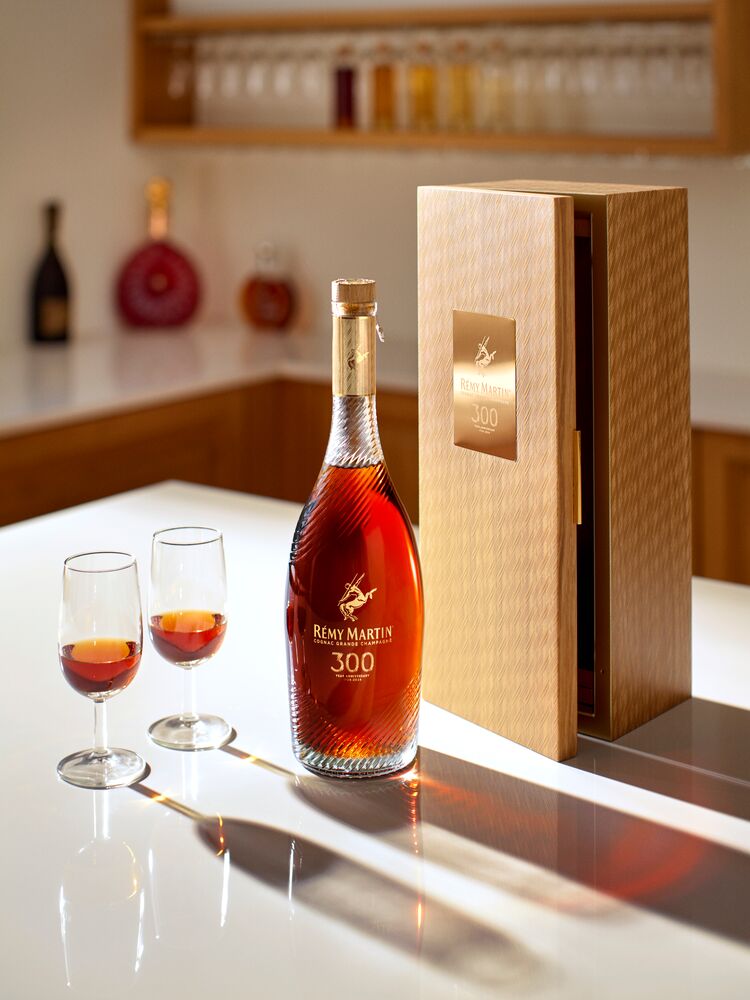
RELATED: Raising a Glass to Legacy—Remy Martin Celebrates 300 Years
Sustainability: The Inheritance of Time
At LOUIS XIII, sustainability is about preservation—preserving knowledge, preserving the land, and preserving the soul of a centuries-old craft. Loiseau understands that his work isn’t just about what he can accomplish today but about safeguarding the future, ensuring that the methods and practices of LOUIS XIII can be passed down to the next generation of cellar masters. “You are not the owner of what you are creating,” Loiseau says. “You are just transmitting something that someone else entrusted to you.” His philosophy is a profound reflection of the intergenerational nature of LOUIS XIII's legacy. The brand has faced crises before—from the Phylloxera plague that wiped out French vineyards in the 19th century to the oak shortages of the 1960s. Each time, the response was the same: long-term planning, strategic decision-making, and an unwavering belief in the future. “They had to make sure the forest would still be there when we needed it,” Loiseau says, drawing a direct line from his predecessors’ stewardship to his own. “That’s how I see my job today, too.”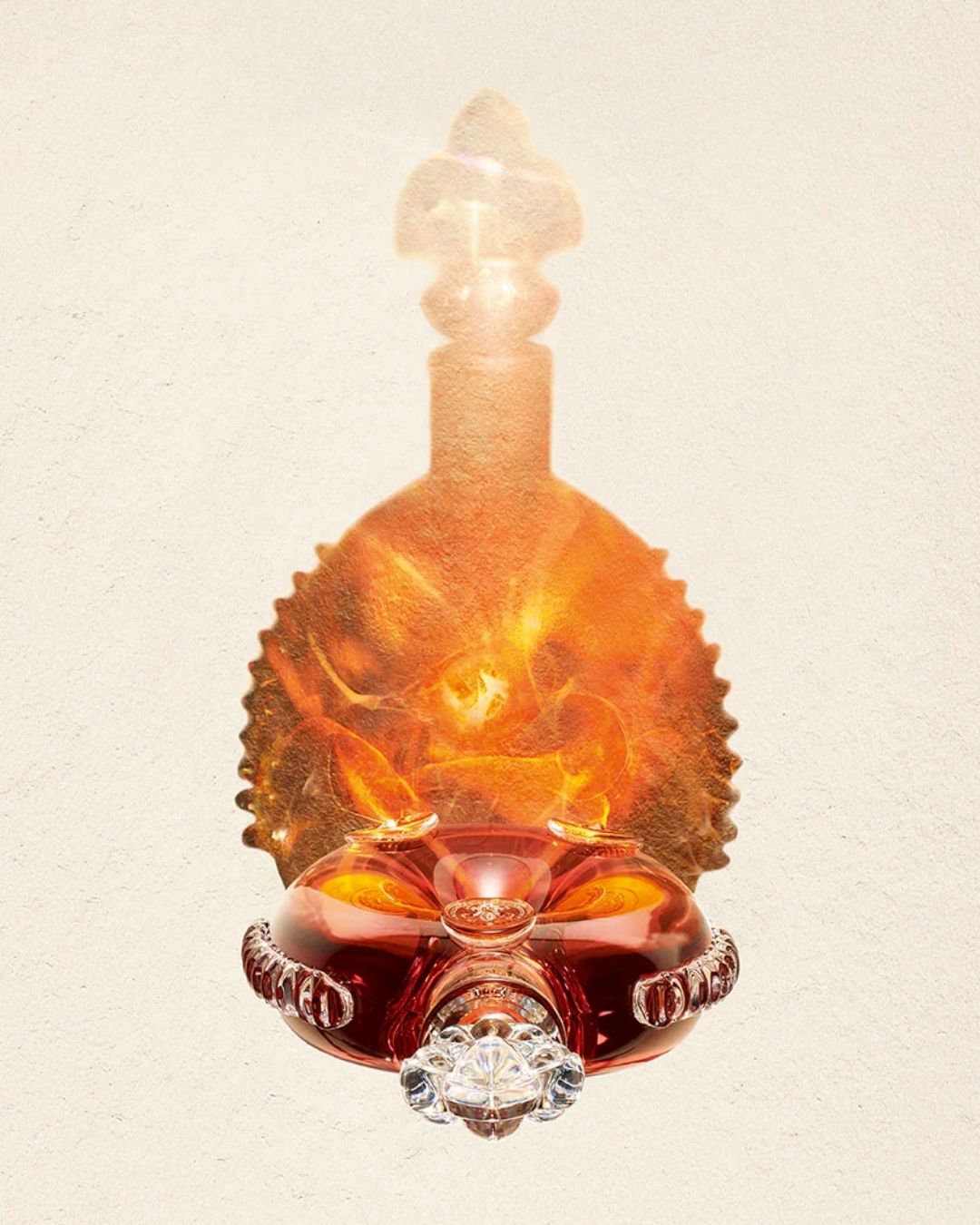 Sustainability at LOUIS XIII goes beyond conscious sourcing or eco-friendly packaging. It is a deeply ingrained belief that luxury must be rooted in nature. The Limousin forests, from which the oak casks used to age LOUIS XIII are sourced, are not just a resource; they are a vital part of the story. The very oak that ages the cognac today will be replanted for the future, ensuring continuity for generations to come.
“To transmit something, you have to first protect it,” Loiseau emphasizes. “And you have to believe it’s worth protecting.”
This long-term commitment to forest conservation, soil regeneration, and water management sets LOUIS XIII apart as a brand that understands the intersection of luxury and responsibility. Loiseau’s work is a testament to the idea that true sustainability isn’t about minimizing the impact of today—it’s about preserving the resources that will support tomorrow.
Sustainability at LOUIS XIII goes beyond conscious sourcing or eco-friendly packaging. It is a deeply ingrained belief that luxury must be rooted in nature. The Limousin forests, from which the oak casks used to age LOUIS XIII are sourced, are not just a resource; they are a vital part of the story. The very oak that ages the cognac today will be replanted for the future, ensuring continuity for generations to come.
“To transmit something, you have to first protect it,” Loiseau emphasizes. “And you have to believe it’s worth protecting.”
This long-term commitment to forest conservation, soil regeneration, and water management sets LOUIS XIII apart as a brand that understands the intersection of luxury and responsibility. Loiseau’s work is a testament to the idea that true sustainability isn’t about minimizing the impact of today—it’s about preserving the resources that will support tomorrow.
Time as the Ultimate Luxury
At LOUIS XIII, prestige is defined by time—the ultimate luxury. Each decanter of LOUIS XIII contains up to 1,200 eaux-de-vie, some of which have been aged for over a century. The cognac is a liquid time capsule, a reminder that true luxury is built on the patience and care that only time can offer. In a world where speed and immediacy often dictate trends, Loiseau’s work is a celebration of the rarest of commodities: time itself. “Time is not just a requirement for us,” Loiseau explains. “It is the ingredient.”That reverence for time is perhaps best exemplified in Rare Cask, one of LOUIS XIII’s most extraordinary expressions. Discovered only a handful of times in the maison’s history, Rare Cask is not something that can be planned or reproduced—it is something you wait for, something you listen for. It is a moment when nature, aging, and intuition converge in perfect harmony, a once-in-a-lifetime alignment that only a cellar master attuned to centuries of tradition can recognize.
Loiseau’s approach to his work feels almost revolutionary. His commitment to time, patience, and legacy is not just a business strategy—it is a philosophical stance. Rare Cask is not just rare in taste; it is rare in vision. It reflects the audacity to think not in quarters or fiscal years, but in centuries. It is a belief that the most valuable things in life are not those that are fleeting, but those that endure.