
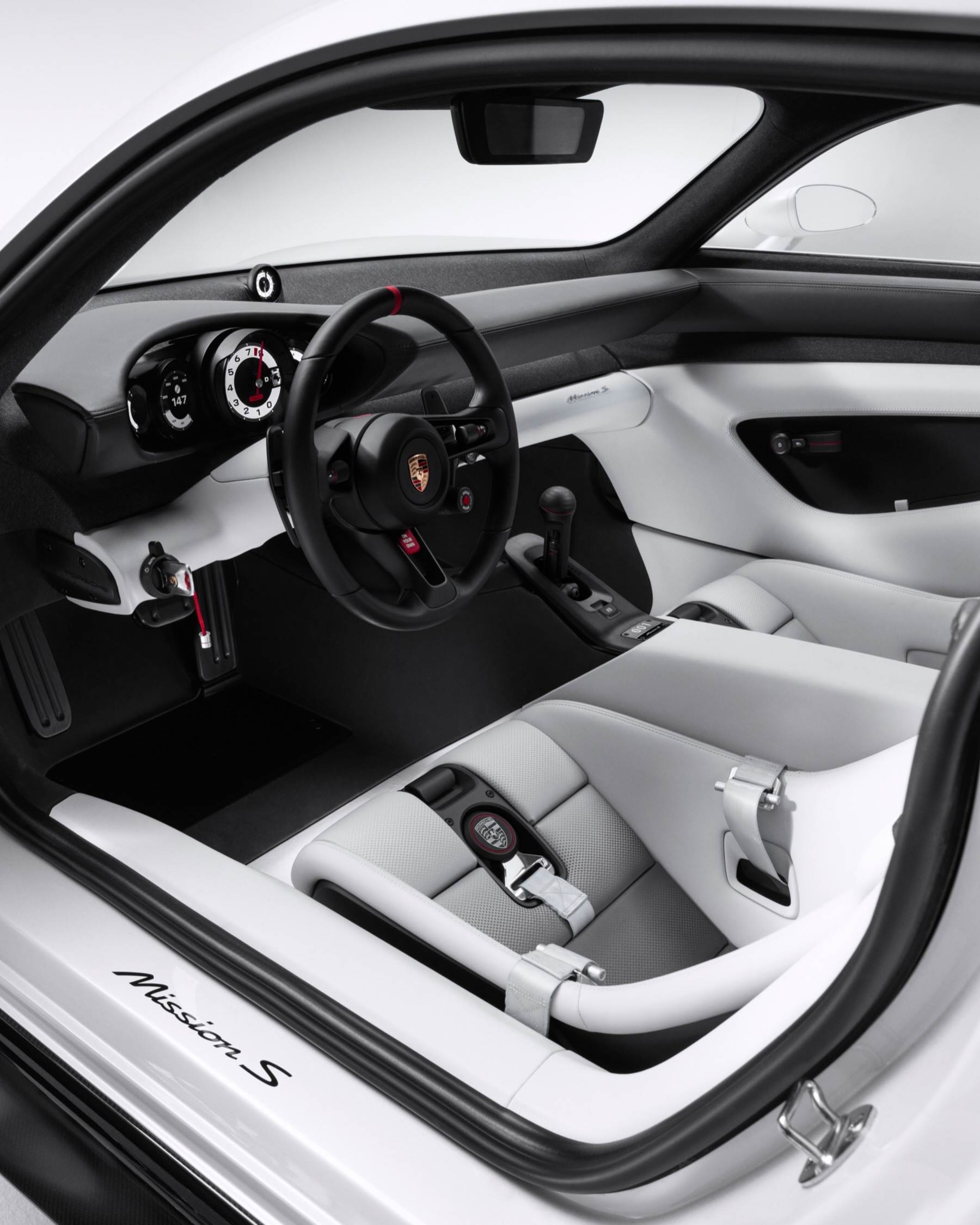

There is a particular kind of optimism baked into a great concept car, part design manifesto, part provocation. The Porsche Mission S arrives with that familiar confidence, but it is not playing nostalgia karaoke. It is a mid engine silhouette that reads like a new sentence written in a fluent old language, low, taut, and slightly sly about how much it can do.
At first glance, the Mission S looks sculpted rather than assembled. The body feels pulled tight over intent, with the kind of negative space that makes your eye linger. It is a glimpse of Porsche stepping into a new era without abandoning the brand’s most persuasive habit, putting the driver at the center of the story.
Porsche Mission S and the seduction of proportion
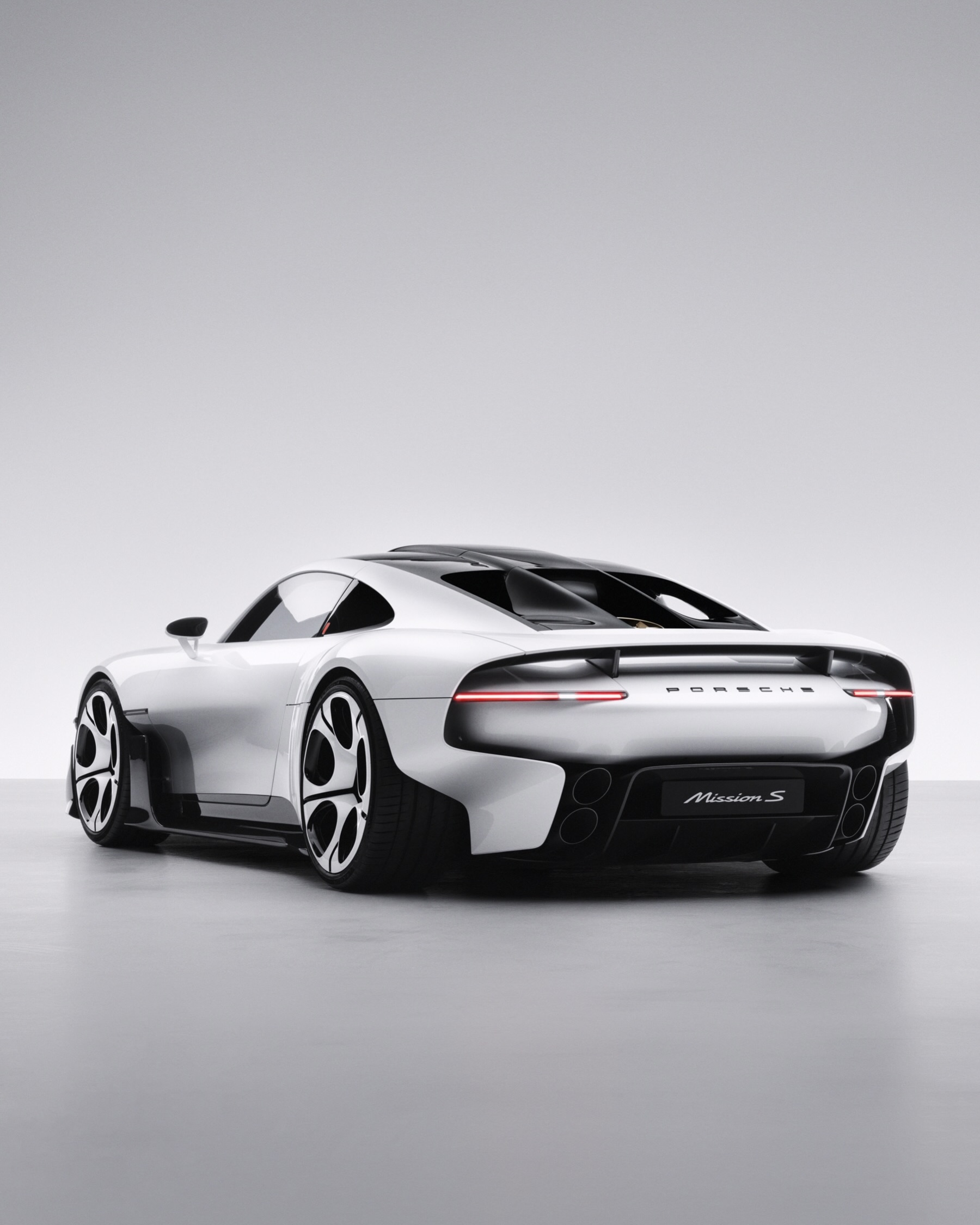
Concepts can be loud. The Mission S is not. Its drama is in the restraint, the way the roofline and hips hold tension, the way the surfaces catch light like stretched satin. Mid engine proportions are inherently theatrical, but here they are disciplined, almost architectural. It suggests performance without resorting to costume.
What is most convincing is how clearly it belongs to Porsche’s design heritage while still moving forward. You can sense the lineage if you know it, the quiet nods, the confidence in the stance. Yet nothing about it feels trapped in a museum vitrines. It is future facing, and importantly, it looks like it wants to be driven.
A driver focused interior that feels edited, not sterile
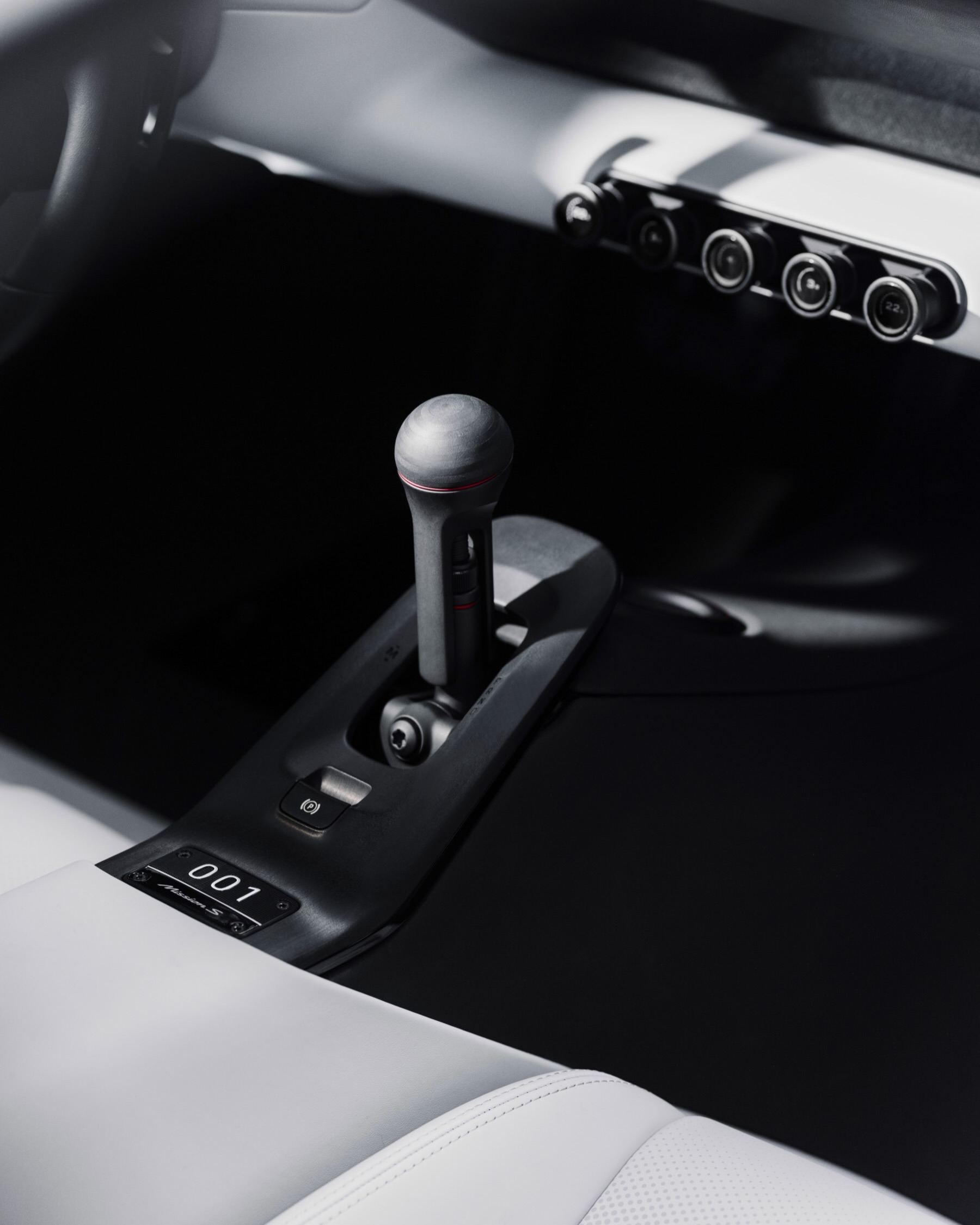
Porsche has always understood that intimacy matters. In the Mission S, the cockpit is described as driver focused, and that phrase can mean anything from gimmicky screens to cold minimalism. Here, the promise is something more nuanced, a space shaped around attention, not distraction. The best Porsches have an almost tailored quality inside, the sense that every sightline, every reach, every decision was made by someone who actually likes driving.
If this design direction holds, it pairs well with the brand’s broader cultural moment. Today, luxury buyers are increasingly drawn to objects that feel intentional rather than shouty, and the Mission S seems to understand that the boldest thing can be clarity.
What Porsche’s new era could mean beyond the concept stage
The question is not whether the Porsche Mission S is striking, it is whether Porsche can translate this purity into production reality without sanding off its edge. The brand has recently been balancing heritage with ambition, and concept cars like this are the clearest signals of where that balance may land.
For enthusiasts, a mid engine concept carries emotional weight. It speaks to agility, to the feeling of a car rotating around you, to that specific Porsche sensation of precision meeting play. For the broader culture, it positions Porsche as a house that still thinks in silhouettes and sensations, not just spreadsheets. If you want the official framing, start with Porsche Newsroom. For a wider view of how concepts shape the industry’s next visual language, Designboom’s car design coverage is a smart place to browse. And if you are tracking the way performance brands are rewriting themselves right now, MotorTrend remains reliably clear eyed.
A concept that converses with style, not just speed
There is also a style conversation happening here. The Mission S feels aligned with a luxury world that has grown tired of obvious flexing. It is the same sensibility that makes a perfect vintage coat more compelling than a logo drenched new one. If you are interested in how design and taste travel across categories, you will find the mood echoed in Glory’s Luxury coverage, and in the way Watches makers are returning to proportion and legibility instead of spectacle. For the culture context that shapes why this all matters, dip into Culture.
So, what do I think of Porsche’s new era, as hinted by the Porsche Mission S. I think it looks like Porsche remembering that the future does not need to be noisy to be radical. It just needs to be specific, beautifully resolved, and unapologetically about the driver.
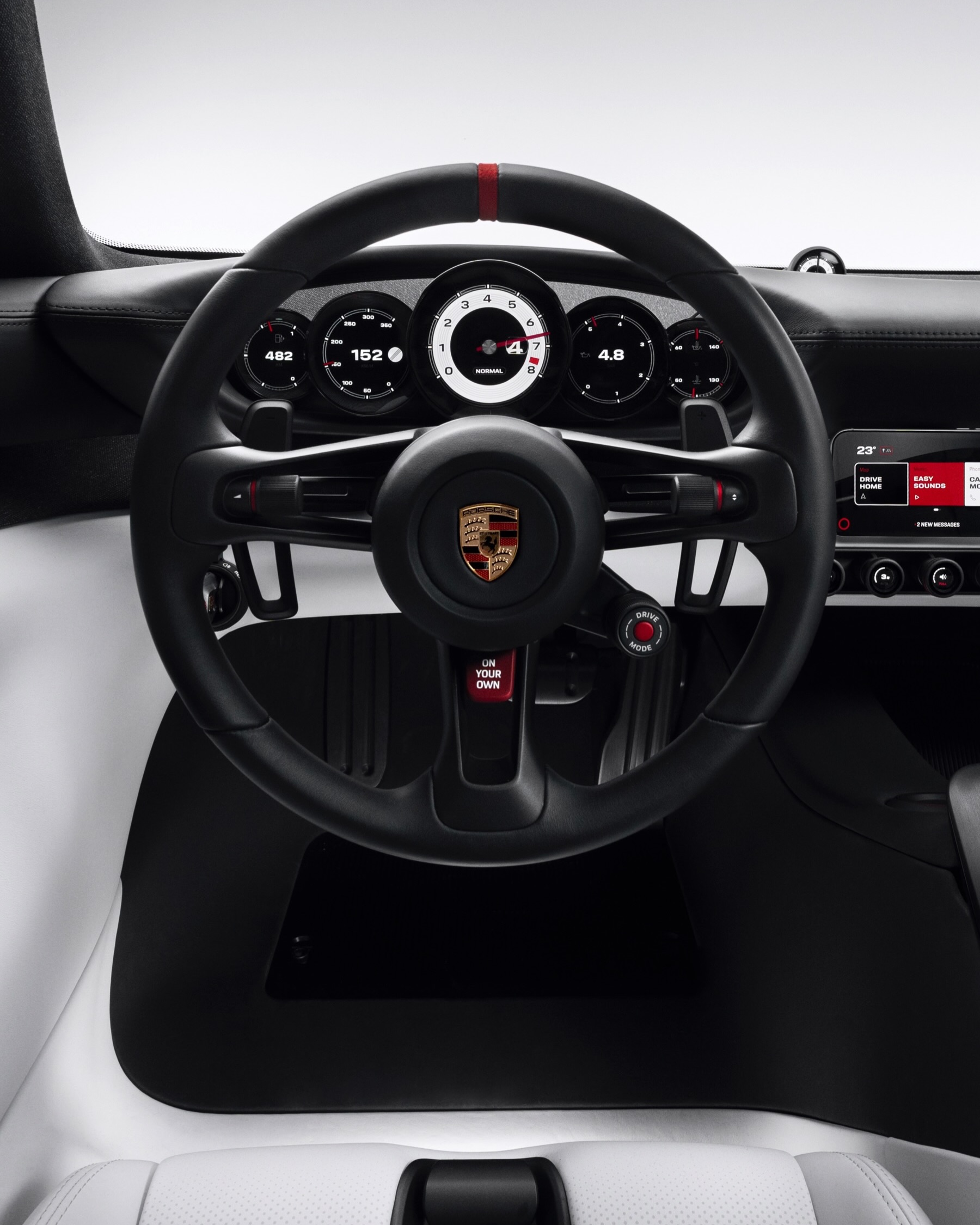
Image credits to the respective owners.