

Louis Vuitton’s Dinner Yacht Orient Express concept arrives with the quiet confidence of a maison that has stopped thinking in seasons and started thinking in itineraries. Developed with creative studio Band of Luxury, the project reads less like a novelty and more like a declaration, that the future of luxury is not only worn, it is boarded, tasted, and remembered in motion.
It also fits neatly into LVMH’s long game. The group has been building a hospitality ecosystem for years, from the cocooning polish of Cheval Blanc to the revived Orient Express universe being developed with Accor. If handbags taught the world to spot a monogram at twenty paces, experiences are teaching it to feel one, in salt air, lacquered wood, and candlelit service that never breaks character.
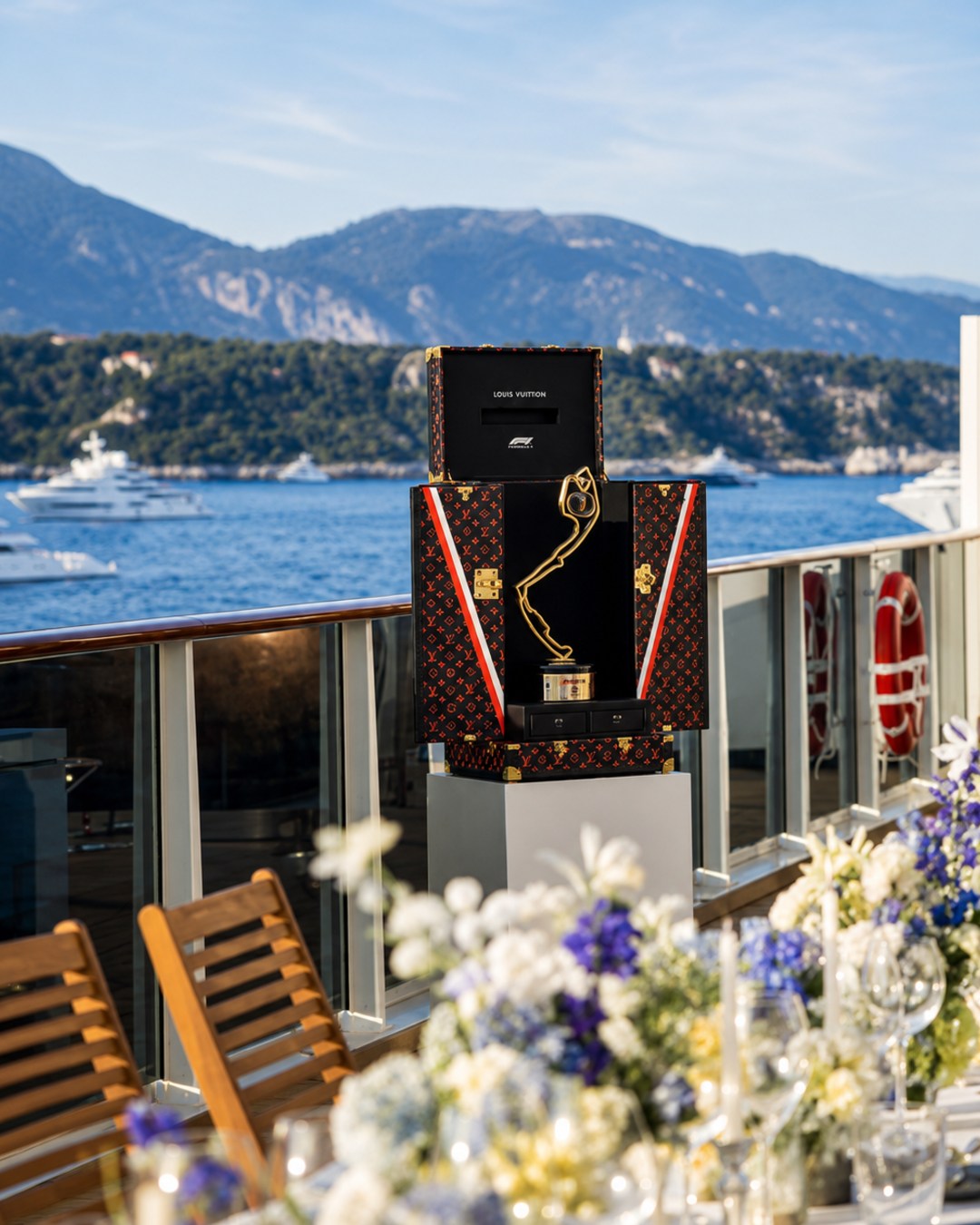
Louis Vuitton Dinner Yacht Orient Express and the rise of destination luxury
The Dinner Yacht Orient Express concept is a signal flare for where luxury is headed. Allied Market Research projects the global luxury hospitality market will surpass 1.5 trillion dollars by 2030, and the growth is not coming from thicker towels alone. It is coming from experiential dining, travel, and the kind of narrative immersion that makes a guest feel like the protagonist, not a customer.
Competitors have flirted with hospitality in lighter strokes. Gucci, Dior, and Prada have all staged cafés, restaurants, and pop ups that trade on proximity, a cappuccino served beside the logo, a dessert that photographs like a campaign still. LVMH’s approach is heavier, infrastructural, and frankly more ambitious, hotels, trains, and now the idea of a dining yacht that extends the myth into open water.
If you want a broader read on how luxury is reshaping culture beyond the runway, start with Glory’s Luxury coverage, then detour into Business, where the strategy becomes legible, and the stakes sharpen.
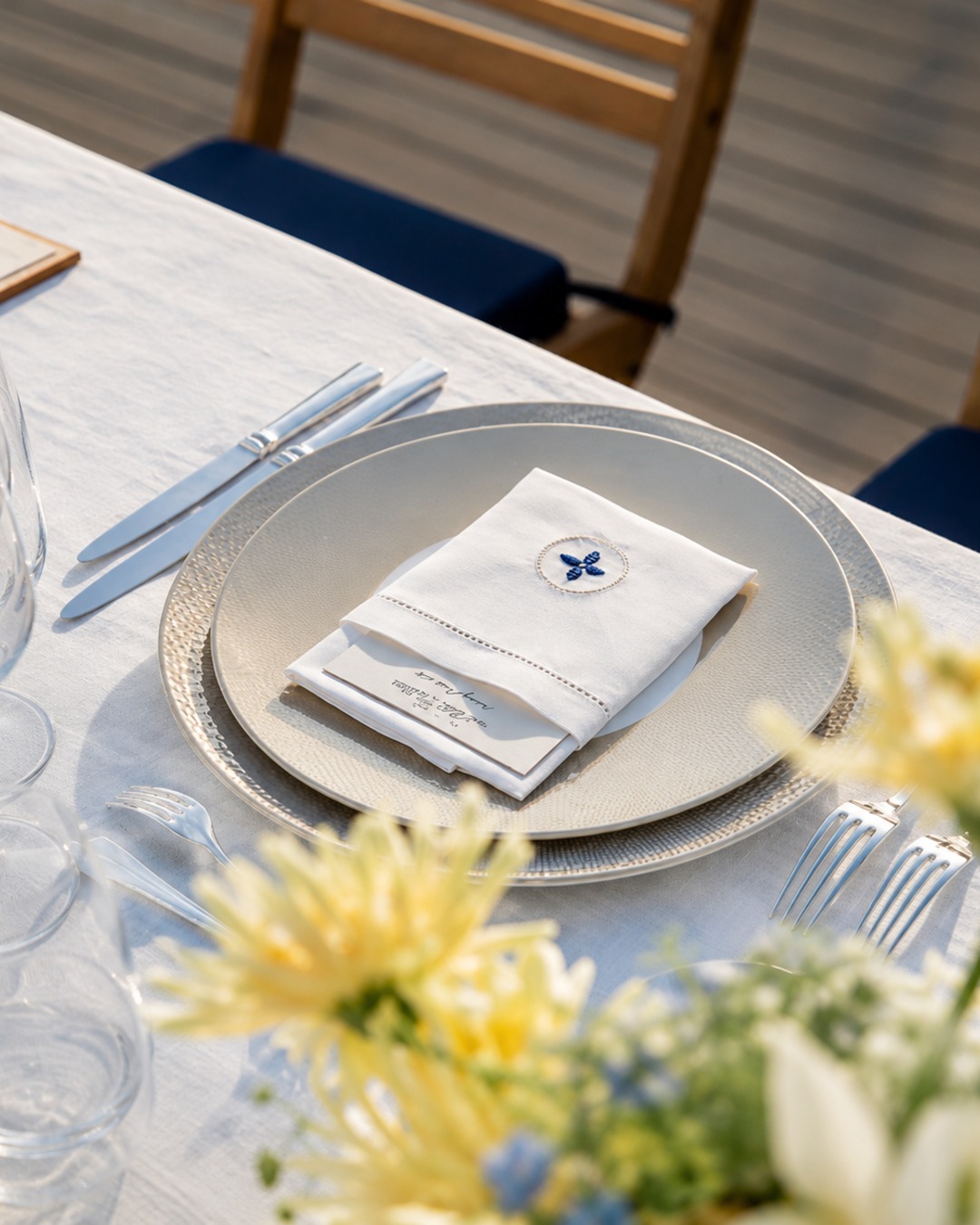
From objects to environments
There is a reason Louis Vuitton’s Dinner Yacht Orient Express concept feels timely. Product luxury has matured into something close to fluency, consumers know the codes, the silhouettes, the waiting lists. What still has the power to surprise is an environment with its own choreography, arrival, ritual, scent, sound, and the soft social electricity that comes from being somewhere difficult to replicate.
This is where LVMH’s ecosystem matters. A handbag is a single chapter. A brand controlled journey is the whole book, and the publisher, and the bookstore window. With the Orient Express revival spanning a luxury train relaunch and the forthcoming Orient Express sailing yacht, the group is positioning itself to capture not just discretionary spending, but discretionary time, which is the rarer currency.
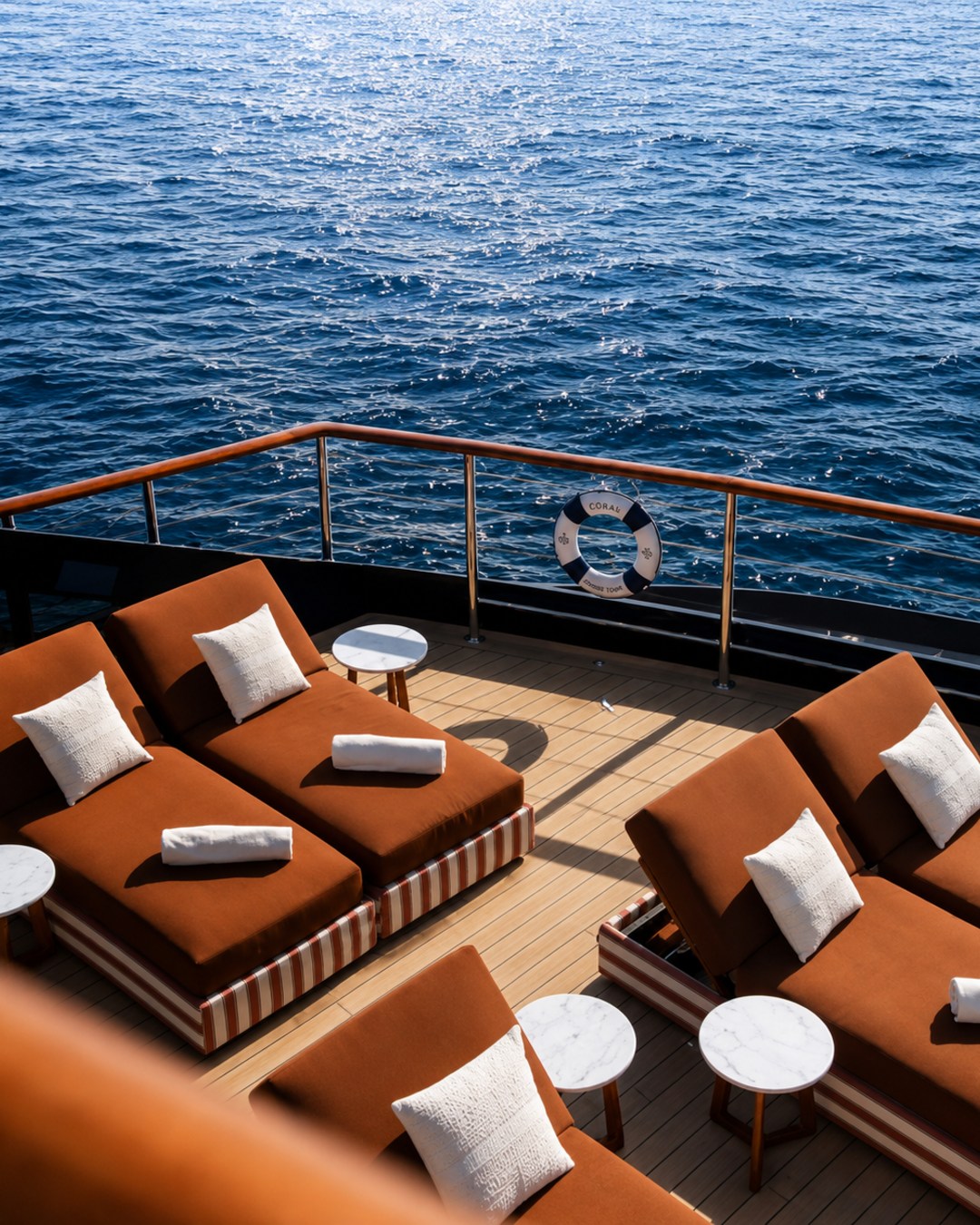
What the Dinner Yacht promises, even before it sails
Concepts are often dismissed as mood boards with good lighting. Yet they matter, because they teach audiences how to desire. Louis Vuitton’s Dinner Yacht Orient Express concept suggests a future in which the most coveted reservation is not a restaurant table, but a moving address, dinner paced to the horizon, a menu designed to feel like a plot.
Crucially, it reframes brand intimacy. Fashion once promised transformation through what you put on. Hospitality promises transformation through where you are placed, and how carefully the brand controls the details you think are effortless. That control can be thrilling when done with taste, and oppressive when done without it. LVMH, historically, understands the difference.
For readers tracking how this shift is changing the social calendar, Culture is where the ripple effects show up first, who gets invited, what becomes status, and how quickly the language of luxury updates.
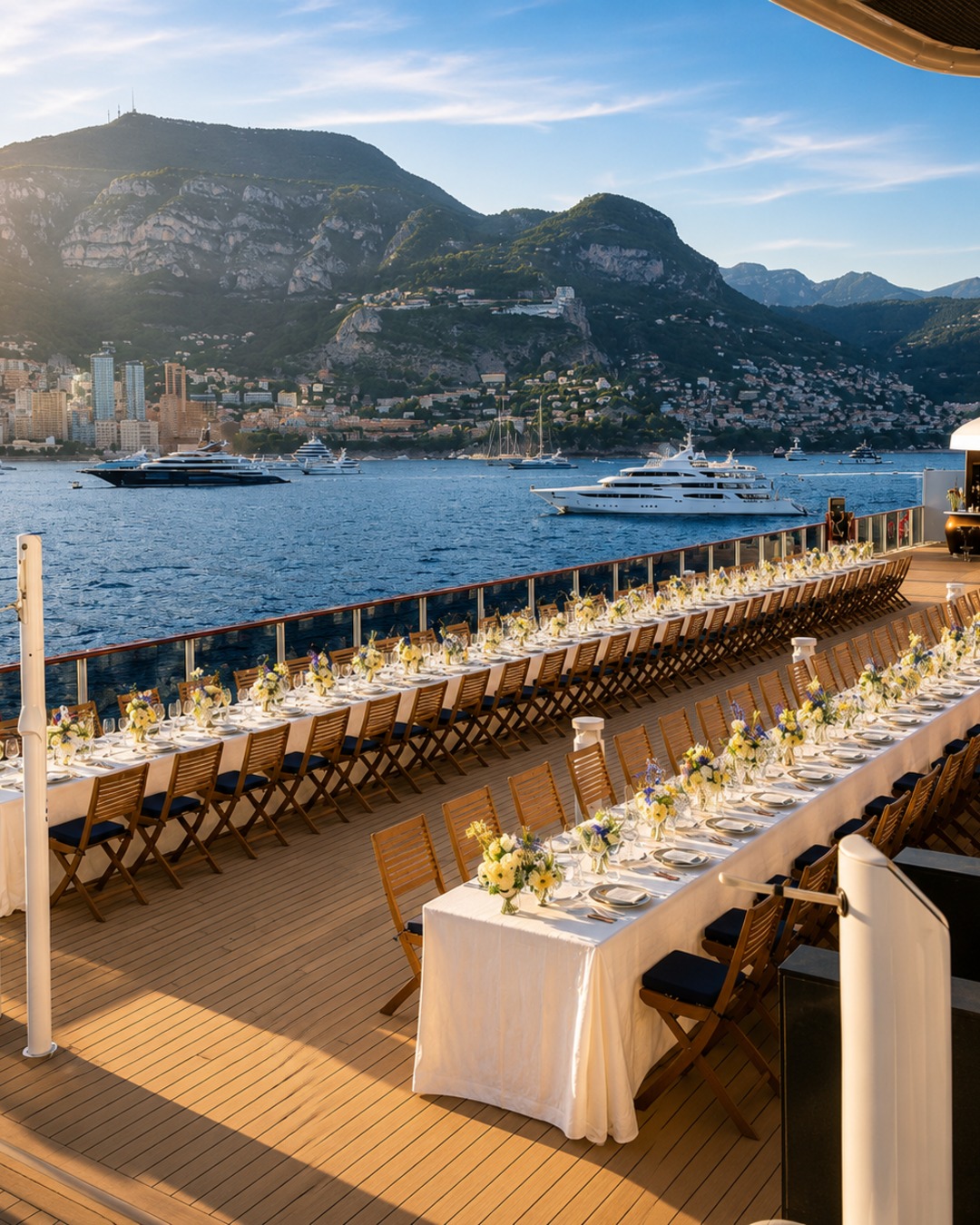
The new luxury flex is time, not things
Louis Vuitton’s Dinner Yacht Orient Express concept is ultimately about scarcity in its most persuasive form. Not limited production, but limited access. Not a drop, but a departure. As affluent consumers grow more allergic to sameness, brands are meeting them with experiences that cannot be counterfeited, because they live in logistics, staffing, route planning, and the hard costs of making fantasy feel inevitable.
It is also why LVMH’s bet looks so coherent. Hotels and transport are not side quests, they are moats. Once you are inside the world, it is easy to keep you there, from suite to dining room to voyage, with the brand narrating every transition.
Image Credits: RETAILBOSS.