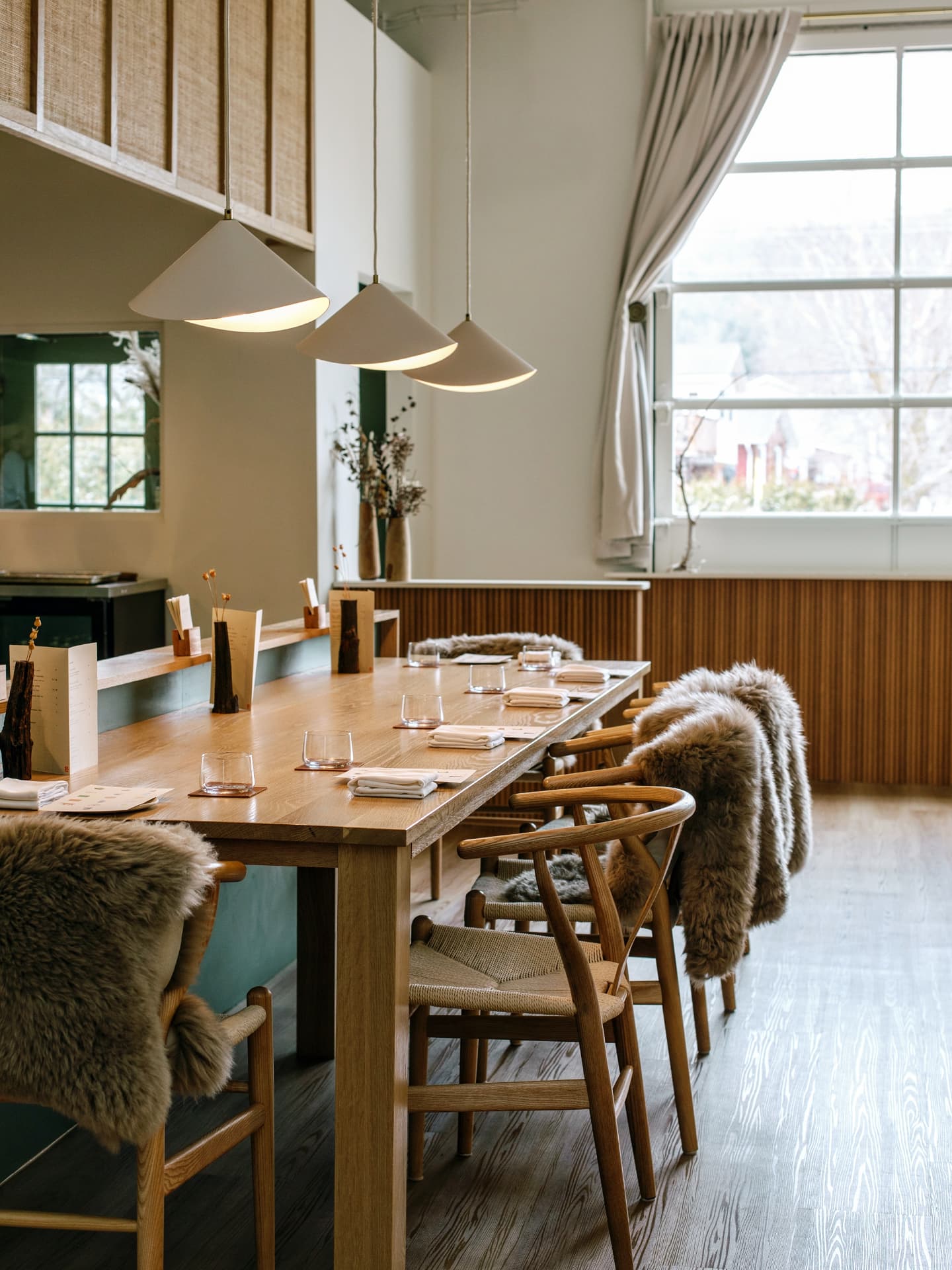
Looking Beyond the Plate at North America’s 50 Best Restaurants
North America’s 50 Best Restaurants brought chefs from across the continent to New Orleans. While the awards recognized this year’s top restaurants, many of the conversations focused on the people and places behind them, from farmers and producers to mentorship and regional identity.
Since then, I’ve dined at four restaurants featured on this year’s North America’s 50 Best list: Emeril’s in New Orleans (#20), Tanière³ in Quebec City (#9), Quetzal in Toronto (#8) and The Pine in Creemore, Ontario (#48). Although each restaurant was uniquely different, I found myself returning to many of the conversations that began in New Orleans.
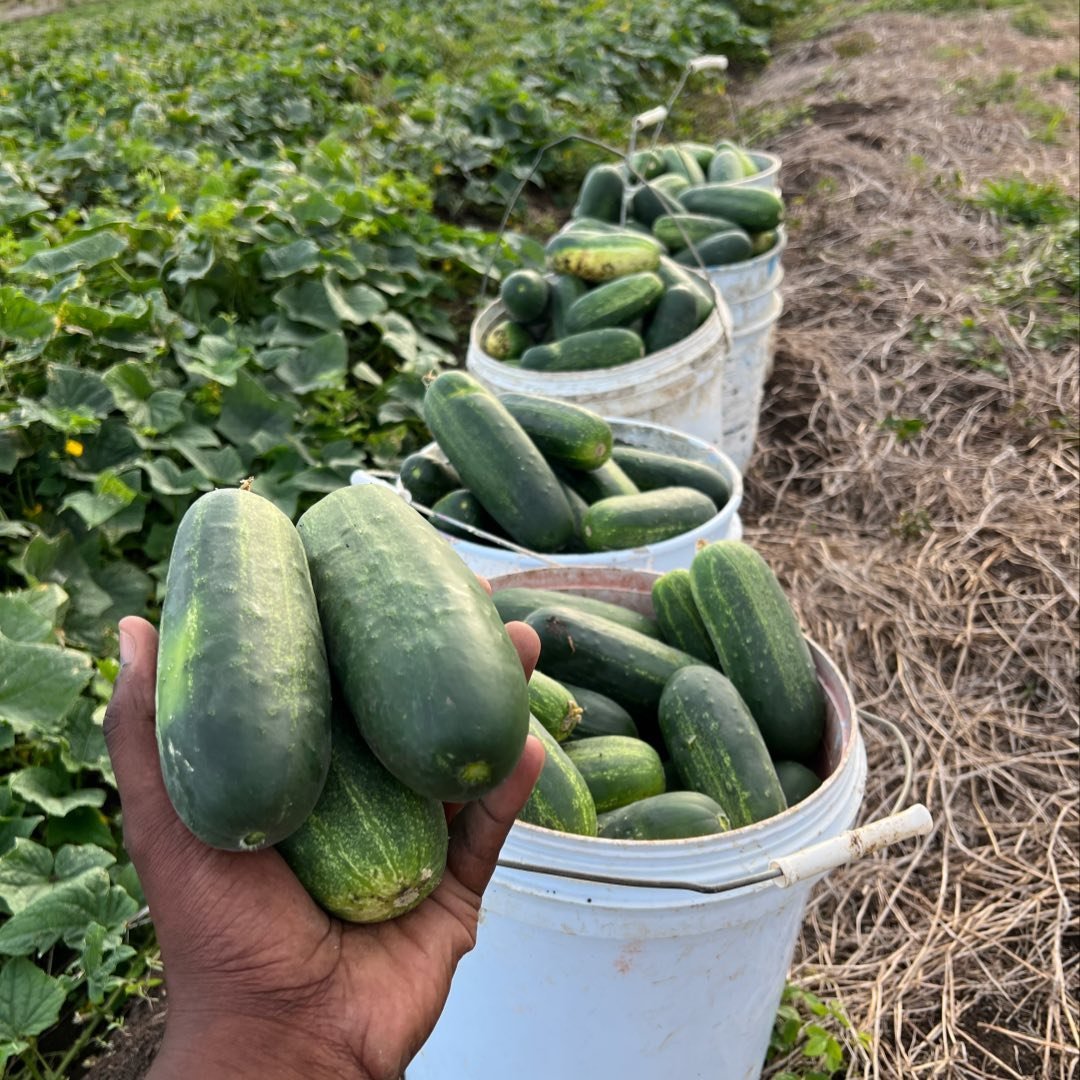
At 50 Best Talks, John Jones shared how his work at Thirteen Acre Farms is helping strengthen Barbados’ food system. His efforts focus on connecting farmers with chefs while introducing children to farming through school programs.
For Jones, the future of Barbados’ food system depends on more than what happens on the farm. It also means creating stronger ties between farmers and chefs while inspiring the next generation to see agriculture as part of their future.
That conversation came back to me during my visit to Tanière³ in Quebec City. Before dinner, a group of us spent time in Quebec’s boreal forest with chef François-Emmanuel Nicol, forestry expert and author Martine Lapointe, researchers from Université Laval and Indigenous tourism partners. It was an opportunity to better understand the ecosystems, biodiversity and cultural knowledge that shape Quebec’s terroir. By the time dinner began, the meal felt like a continuation of that experience. Every course reflected a relationship with place that had been built over years of studying the landscape, working with producers, and exploring Quebec’s unique biodiversity.
After spending the day in the boreal forest, those ideas felt more tangible. The forest, the researchers, the producers, and the Indigenous partners all became part of the story behind the meal.
A similar sense of place shaped Chef Serigne Mbaye’s perspective.
At 50 Best talks, Mbaye reflected on arriving in New Orleans more than a decade ago and taking the time to understand the city before cooking in it. He read about its history, ate across its neighbourhoods and immersed himself in Creole cuisine. “If we’re not eating each other’s food, how will we ever understand each other?” he asked.
Chef Ana Castro offered a different perspective. Growing up in Mexico before building her career in New Orleans, she described adaptation as “an act of restriction,” challenging the idea that creativity comes from endless possibilities. Instead, she suggested it comes from understanding your own point of view.
Weeks later, I found myself thinking about Castro’s comments over dinner at Quetzal. Chef Steven Molnar has spent years returning to Mexico to learn from cooks, producers and local communities. The menu reflects those experiences without trying to replicate them.
Another recurring theme at 50 Best Talks was mentorship.
Emeril Lagasse returned to the subject while reflecting on an earlier conversation with his son, E.J. Lagasse. Whether teaching television audiences about ingredients or bringing his kitchen and dining room teams together for daily pre-service meetings, he described education as a constant throughout his career. As he put it, “Education, mentorship, and humility are timeless ingredients in hospitality.”
He also shared a lesson from early in his career that has stayed with him ever since. After one service, a mentor handed him a note that read: “Next time you come to work, leave your ego at home.”
That mindset carried into another story he shared about E.J. In the earlier days of his son joining the restaurant, Emeril recalled E.J. suggesting changes to the restaurant’s signature cornbread service. Emeril wasn’t convinced. The cornbread stayed.
Dinner at Emeril’s later that evening made that story easier to understand. The signature dishes remain, but they are joined by newer creations that reflect E.J.‘s own style. Rather than replacing the restaurant’s traditions, he’s building on them.
If Emeril’s is a story about legacy, The Pine is one about coming home.
After building his career abroad, chef Jeremy Austin returned to his hometown of Collingwood to open a restaurant unlike anything the region had seen before. His cooking reflects both the landscape around Collingwood and the techniques and flavours he developed while working in China. Opening a tasting menu restaurant in Collingwood felt like a risk. Rather than bringing that experience to an established dining market, he chose to build something in the community that shaped him.
“Really, all I wanted was to be home—close to my family, where I could one day start my own,” Austin said. “I wanted to build a life in a place I truly love. So instead of waiting for that life to happen, I created it where I wanted to be.”
That decision continues to shape the way he cooks.
“Our sense of home comes from using the ingredients that exist here,” he said. “It’s almost like translating them into our own language. Through that process, we begin to understand this place in a way that feels natural to us. Through the way we think, cook, and experience that part of the world.”
Opening a tasting menu restaurant also meant asking diners to trust him.
“I think that really sums up the entire idea. It takes a certain kind of bravery to ask someone to trust you completely. More often than not, what I create is for me before it’s for the guest. It’s my way of expressing myself freely. If the guest isn’t willing to come along on that journey, then it isn’t enjoyable for either of us. To truly experience this kind of restaurant, they have to surrender to it completely, to let go of expectations and trust that where they’re being led is exactly where they need to go.”
It was another reminder that the conversations in New Orleans weren’t really about restaurants. Whether it was John Jones investing in Barbados’ food system, Emeril Lagasse thinking about legacy, or Jeremy Austin choosing to return home, each chef was ultimately talking about what they were building beyond the plate.