Chanel Buys Rudd Estate, and Napa’s Quiet Luxury Gets Louder
Chanel acquires Rudd Estate and, with that single move, Napa’s most discreet corner of luxury suddenly feels legible to the wider world. Oakville is already a landscape of restraint, clipped hedges, long driveways, wines that speak softly and carry astonishing length. What changes now is not the soil, but the spotlight, and the expectation that comes with it.
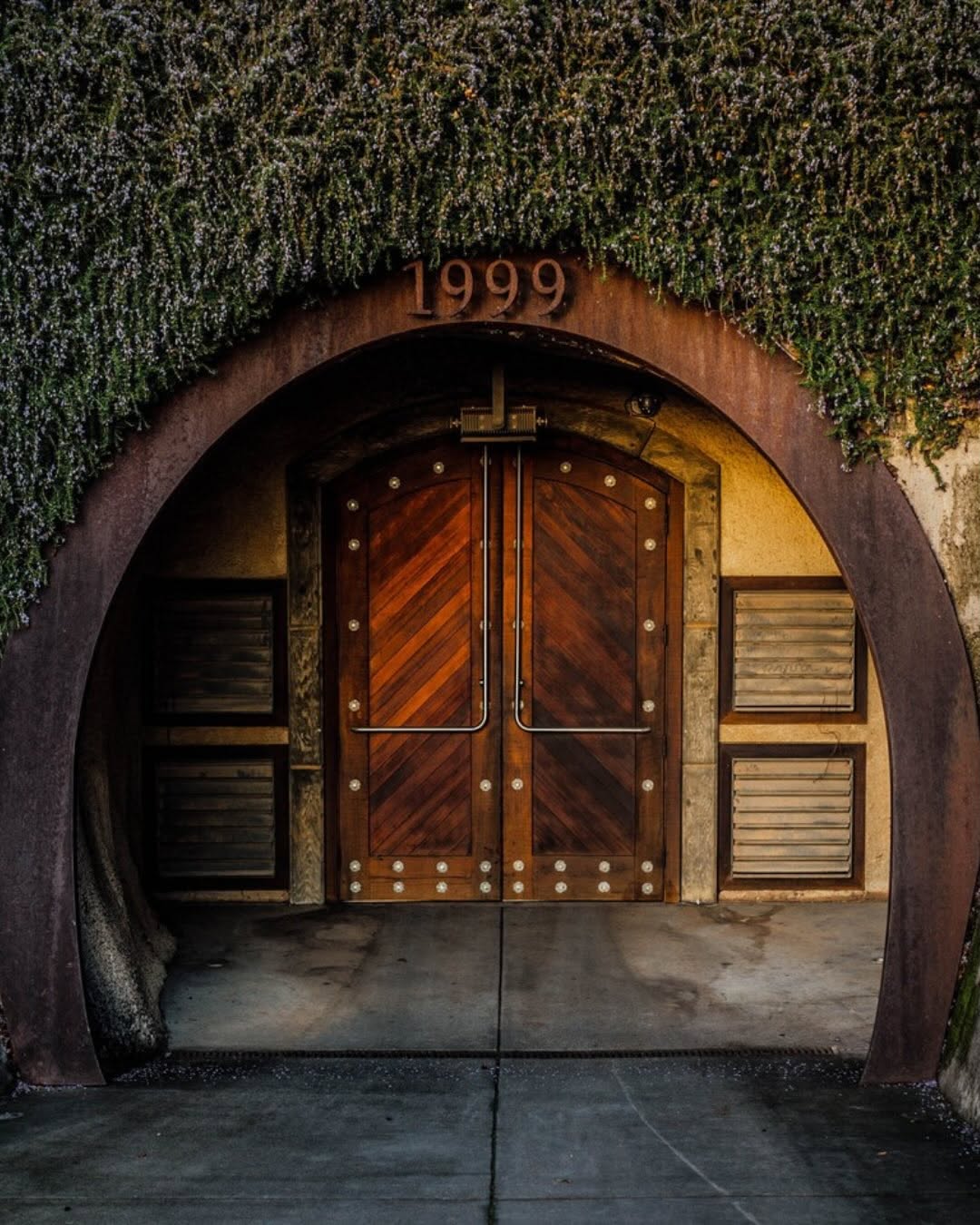
The family owned Rudd Estate, rooted in the Oakville corridor, includes vineyard land and the Rudd and Crossroads labels, a handover that closes a chapter of the Rudd family’s long imprint on the valley. For Chanel, it is a continuation rather than a lurch, the house already holds Napa ground through St. Supéry Estate Vineyards and Winery. Taken together, the holdings read like a thesis on place, not volume.
Chanel acquires Rudd Estate, betting on terroir as heritage
Fashion likes to talk about heritage, but wine forces the conversation to be literal. Terroir is time made visible, in dust, in vine age, in the way Oakville heat settles at dusk. Chanel’s strategy has been to invest where origin is undeniable, whether that is a tweed loom, a Métiers d’Art atelier, or a hillside that produces Cabernet with a graphite edge. The logic is coherent, and slightly formidable.
What Rudd represents in Oakville
Rudd’s reputation has lived on precision, not noise, bottles built for texture and patience rather than instant charm. Oakville fruit can be plush, but at its best it is architectural, dark cherry, cedar, cocoa, and that cool mineral line that keeps richness honest. This is the kind of luxury Chanel understands instinctively, disciplined, tactile, expensive in the way a perfectly cut jacket is expensive.
A Napa portfolio with intention
Chanel’s wine ambitions sit within a broader luxury ecosystem, as much about cultural positioning as it is about viticulture. The company has long owned Chanel as a symbol, now it is quietly building the same authority in bottles, where dinners, gifting, and cellar talk travel faster than runways. For context on the mood of this market, Decanter tracks how prestige estates are increasingly treated like blue chip assets.
It also arrives at a moment when “quiet luxury” has become internet shorthand for taste, often without the discipline behind it. Napa, when it is serious, has always been quiet luxury, not as an aesthetic, but as a practice. Chanel acquires Rudd Estate and inherits that seriousness, plus the pressure to protect it.
Readers drawn to the crossover of fashion and legacy categories should also see how this fits with the wider conversation at Glory Media Luxury, the sharper lens on Fashion, and the cultural context in News.
The most telling detail will not be a press line, but what stays the same, farming choices, blending philosophy, the refusal to chase easy ripeness. In Napa, stewardship is the only form of glamour that lasts.
Image Credits: @ruddestate, @ruddestate, @ruddestate.