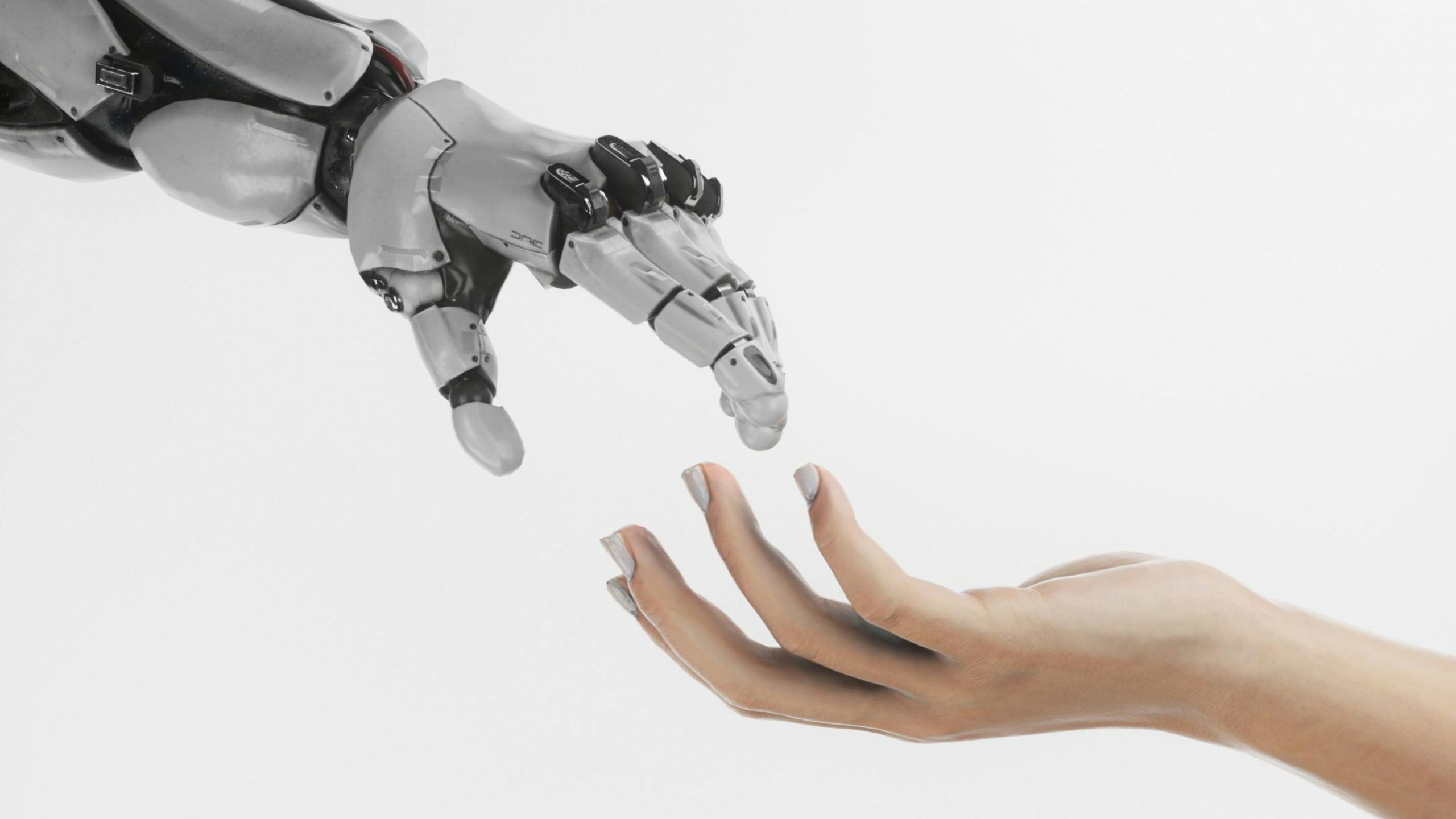
In the age of AI, creating content has never been easier. Powerful tools that were once reserved for professionals are now at everyone’s fingertips, making it possible for anyone to generate art, film, music, or writing with a few clicks and prompts.
This democratization is exciting—it’s like handing out paintbrushes to the masses and seeing a range of creative expressions. But let’s face it: not everyone’s painting a masterpiece.
Experts estimate that as much as
90 percent of online content may be synthetically generated by 2026, according to Europol.
When AI-generated content floods the internet, how do we ensure the best ideas rise to the surface?
For every well-crafted piece of AI content, there’s a tidal wave of slop. And as the internet fills up with endless streams of this genAI content, the real question isn’t just how we create but how we discover the magic hidden in the mess.
The Infinite Scroll of Slop
We’re no strangers to digital clutter. We’re already living it; AI didn’t start this problem, but it’s expediting it.
This content flood creates a paradox: while creativity becomes more accessible, the value of individual creative efforts risks being diminished. It’s like shouting into an ever-growing crowd—no matter how good your message is, it’s harder to be heard.
And for consumers, the endless stream of mediocre content makes finding meaningful art, stories, or music feel like searching for a needle in an AI-generated haystack.
Who (or What) Decides What’s Worthy?
Traditionally, critics, editors, and curators have served as essential gatekeepers, elevating quality content by sifting through the noise to spotlight the best of the best. These human filters have helped shape our cultural landscape, guiding audiences toward meaningful work.
Today, the role of gatekeeping has largely shifted to platforms and algorithms, fundamentally transforming how we discover content. Platforms like Google, YouTube, TikTok, and Spotify curate what we see, relying on algorithms to analyze user behavior—what we click, like, or share—to determine which content gets surfaced. While this shift has made it easier for creators to reach large audiences, it’s also deprioritized traditional markers of quality in favor of engagement metrics.
But the speed and volume of AI-generated content are overwhelming even for these systems. And let’s be honest: the algorithms filling our feeds don’t always have the best taste.
Algorithms, after all, are designed to maximize engagement, prioritizing clicks, likes, and shares over creativity, originality, or meaning.
This leaves creators and consumers alike asking an important question: who (or what) decides what’s worth our attention?

Can AI Be the Solution to Its Own Problem?
Ironically, the same technology responsible for creating this deluge of content might also help us filter it. Just as AI has revolutionized content creation, it could be used to curate and elevate work that deserves recognition. Imagine AI algorithms that evaluate creativity, originality, and depth—not just popularity metrics.
For example, AI-powered curators could analyze the structure of a song, the emotional resonance of a story, or the artistic composition of an image to identify works of higher quality. These tools could be integrated into platforms to help users discover content that aligns with their preferences and values.
Of course, the question remains: who programs these curators, and what standards will they uphold? Who decides what’s good or valuable?
The Human Element of Discovery
As the flood of AI-generated content grows, we’ll need innovative ways to sift through the noise and spotlight what truly stands out. New systems of discovery that can help ensure the best ideas rise to the surface.
AI film festivals are dedicated to recognizing excellence in AI-driven films, animations, and storytelling. A new generation of influential AI-focused critics offering thoughtful commentary, reviews, and benchmarks for quality, helping audiences navigate what to look for. Advanced AI-driven recommendation systems could prioritize creativity and originality over engagement metrics, reshaping how audiences discover meaningful content. Streaming platforms could integrate dedicated sections for AI-generated films, music, and shows, ensuring quality AI content reaches mainstream audiences. Finally, collaborative platforms that emphasize synergy between human creators and AI tools could showcase the unique strengths of both, creating a richer, more balanced creative ecosystem.
The Future of Creativity: Quality Over Quantity
The age of GenAI presents us with a huge opportunity: to redefine how we create and discover content. The challenge is not just about navigating a flood of content but building the tools, systems, and mindsets that help us uncover great content.
But here’s the thing: greatness doesn’t get lost—it gets buried.
And it’s up to us to dig it out.
The systems we create, the curators we trust, and the standards we uphold will decide whether this age of abundance becomes a renaissance of creativity or a wasteland of slop.
Meg Button has shaped the marketing landscape through her work with global brands and innovative ventures. As the Creative Director at Fantastic Day, an agency focused on emerging tech with an emphasis on AI and Web3, she drives bold creative initiatives.