
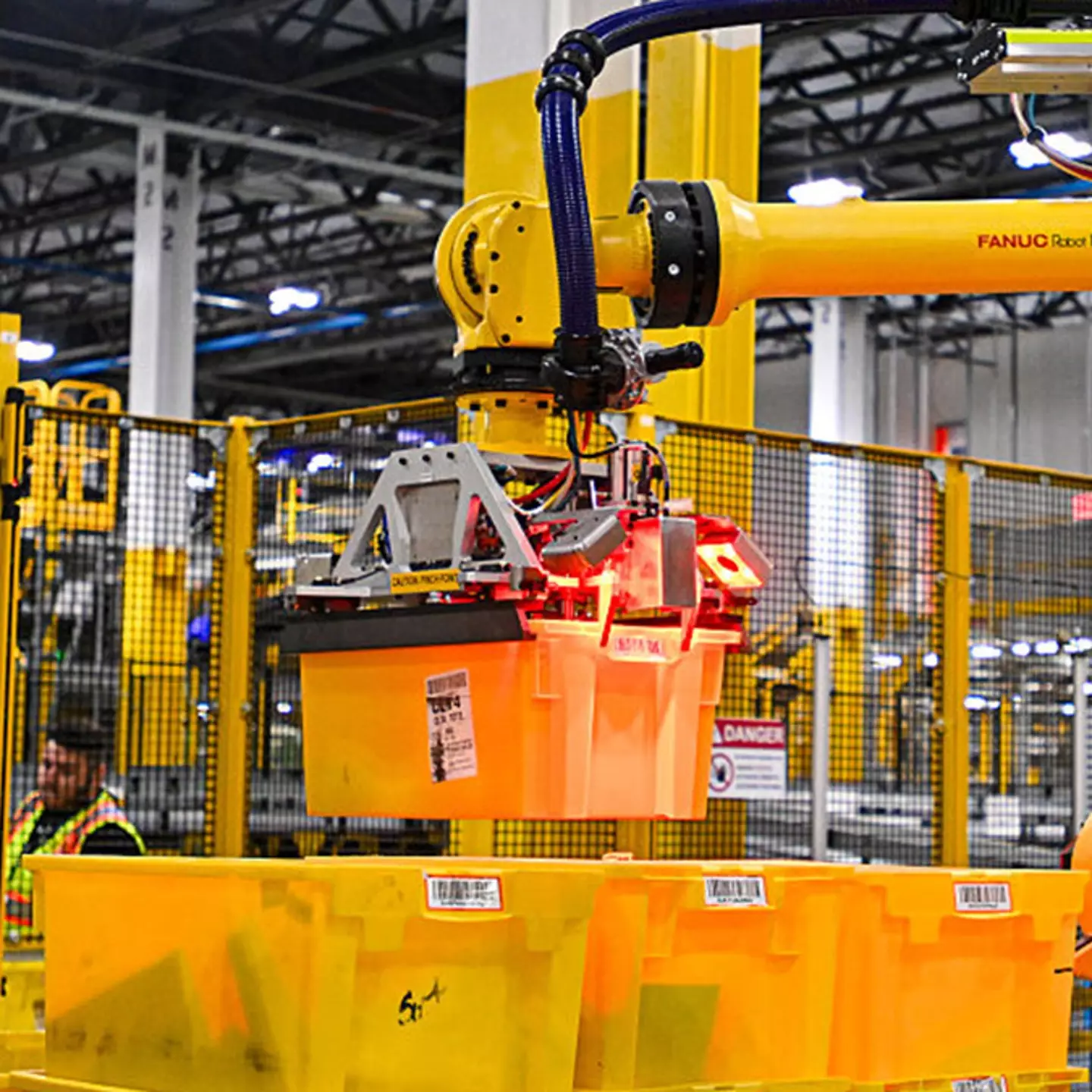

Recent revelations indicate that Amazon is preparing for a sweeping transformation of its global workforce, potentially displacing up to 500,000 employees in favor of advanced robotic automation. This strategic shift, designed to eradicate menial, repetitive, and labor-intensive roles, underscores Amazon’s ambition to automate as much as 75% of its operations. According to executive statements, this revolutionary change is intended not just as a cost-cutting measure, but also as an opportunity to upskill their workforce, moving employees into more intellectually stimulating and high-value roles.
With nearly 1.2 million staff members worldwide, the implications for the labor market—and the wider economy—are profound. The anticipated automation is expected to generate savings of hundreds of millions of dollars, as well as minimize the need to hire over 160,000 highly paid U.S. employees by 2027. However, Amazon’s moves have sparked a widespread social media debate, as many question whether the promise of "more meaningful work" can genuinely offset the disruption caused by massive workforce reductions.
Concerns abound regarding the societal ramifications of such sweeping automation. Industry observers and critics warn of the possibility of diminished employment opportunities, which could in turn influence consumer spending power and economic stability. Many fear that while technology streamlines efficiency and bolsters profits, it may also lead to a new era of inequality, where unemployment and underemployment become pressing challenges.
In summary, Amazon’s ambitious automation initiative is set to redefine both the e-commerce landscape and the future of work. While the company touts its commitment to elevating staff to premium, skill-based positions, the potential downsizing of over half a million jobs highlights the urgent need for robust policy discussion and innovative solutions to ensure technology’s benefits are equitably distributed across society.