
Earning the Commute: The Rise of Luxury Co-Working in Toronto
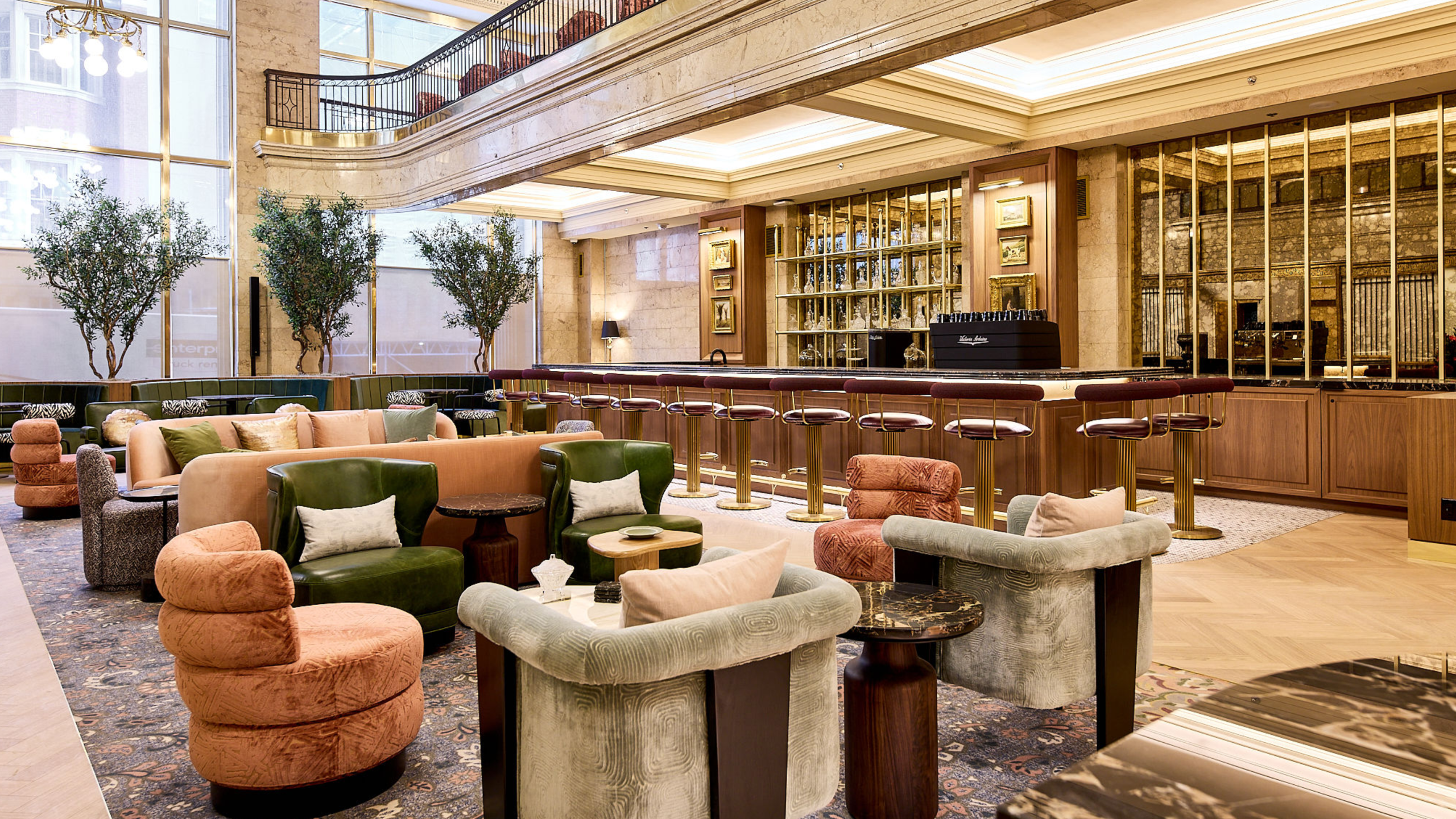
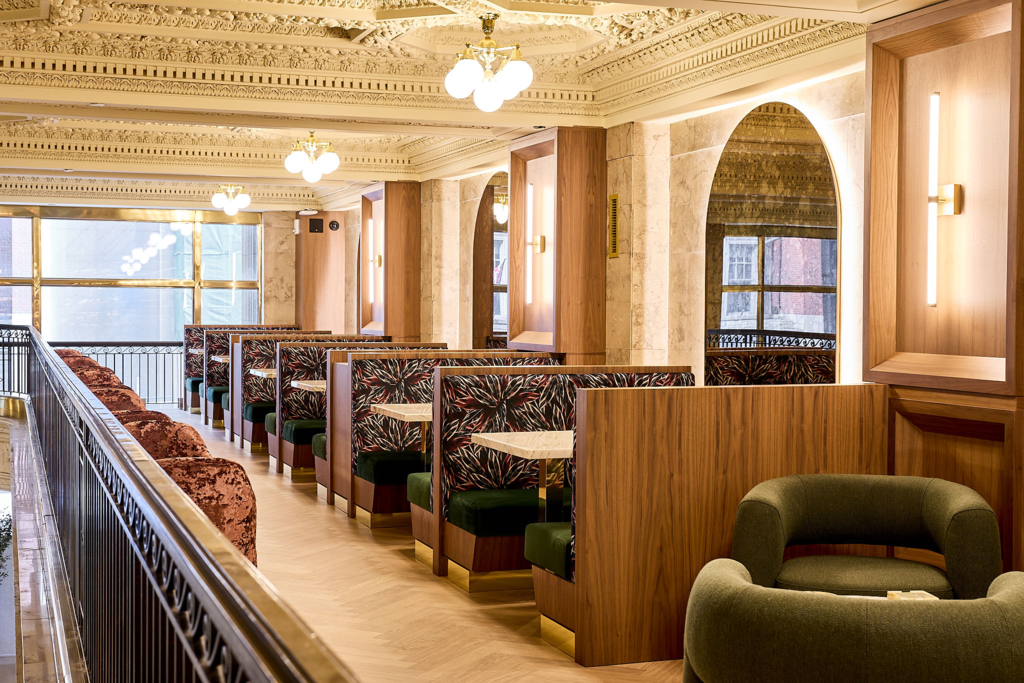
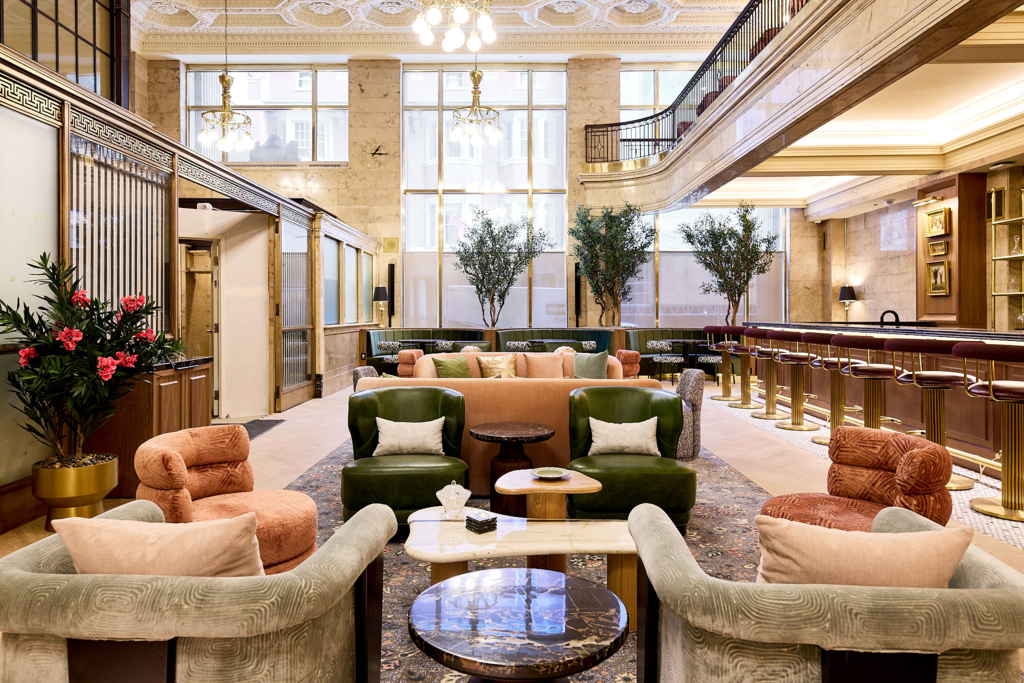
Toronto’s 302 Bay Street is the kind of building that makes you pause. A 108-year-old former Bank of Montreal landmark, its hand-carved plaster ceilings, rich marble floors, and Art Deco-inspired details hint at a time when design and craftsmanship were inseparable. When iQ Offices, Canada’s largest Canadian-owned co-working company, subleased the space in 2023, CEO Kane Willmott and partner Alex Sharpe saw a proving ground for a new philosophy of work.
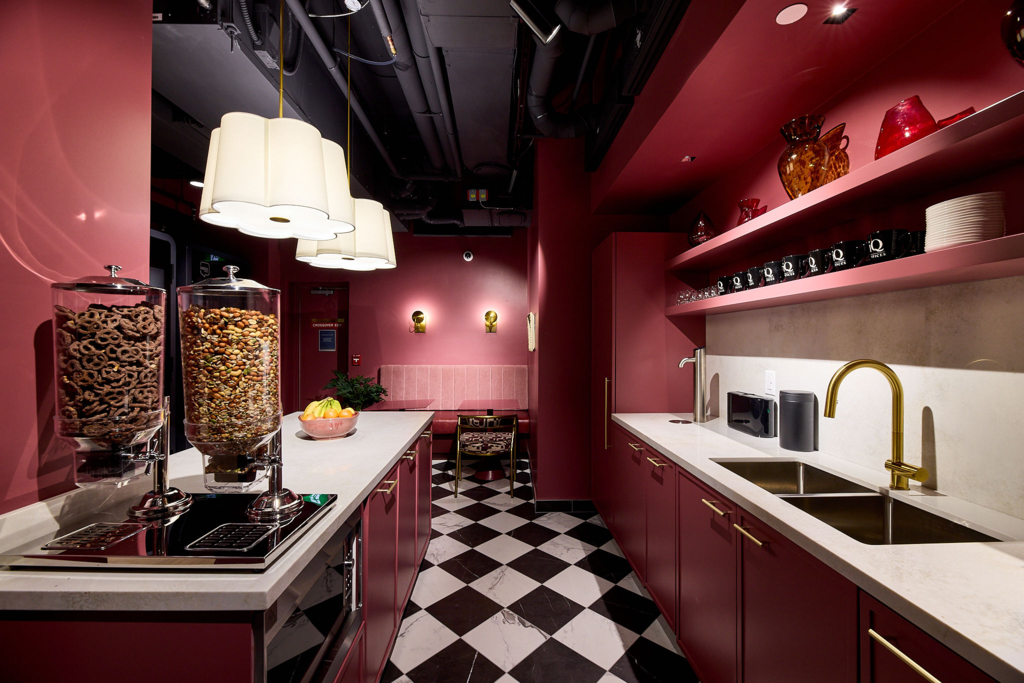
For iQ, 302 Bay Street is a manifesto. The 14-storey building blends opulent materials with meticulous service design: a barista serves free drinks in the lobby, wellness rooms with massage chairs pepper the floors, kitchens appear on every level, and soundproof phone booths make private calls effortless. Coming soon, two cold plunges, a sauna, showers, and towel service will further elevate the experience. Even privacy features are embedded in the walls, so members can focus without distraction. “We ask ourselves every day: how do we earn the commute?” Willmott says. “How do we make coming to work feel like arriving at a five-star hotel, where every detail anticipates your needs?”
This question is more urgent now than ever. The pandemic transformed not just how we work, but how we think about the office itself. In April 2020, Statistics Canada reported that 40 percent of Canadians were mostly working from home. By May 2023, that number had dropped to 20 percent, and as of November 2024, only 12.5 percent of Canadians worked exclusively from home, with 11.5 percent in hybrid arrangements. Meanwhile, downtown foot traffic remains roughly half of pre-pandemic levels, despite a 1.5 million increase in daily commuters since 2022. Companies are implementing formal return-to-office policies, with 70 percent mandating some in-office presence and 93 percent of leaders believing that employees need to be present at least occasionally.
For Willmott, the solution is about reframing the workplace mindset from coercion to attraction. “You can’t force people to show up,” he says. “You earn it. You design a space and culture that makes people excited to arrive, because it’s easier to do their best work there than anywhere else.” The goal is simple but radical: treat employees like hotel guests, anticipating needs before anyone asks.
302 Bay Street is the embodiment of that ethos, but iQ’s vision stretches far beyond one location. Across Canada, iQ manages a growing portfolio of spaces designed for the modern workforce. From startups to enterprise teams, the company sees the office as a tool for engagement, not a cage for productivity. Bots handle administrative tasks, meeting rooms are configurable, and community managers facilitate collaboration without forcing it. “Real connection can’t be scheduled,” Willmott explains. “You need spaces where ideas can collide organically, and services that remove friction so people can focus on what matters.”
The market for this philosophy is expanding rapidly. According to Colliers, flexible office space is expected to represent 8 percent of national office inventory as of 2023, up from 6 percent in 2021. Mordor Intelligence projects the Canadian co-working market will reach an estimated $4.87 billion in 2025 and grow to $7.14 billion by 2030. Demand is driven by both startups and large enterprises seeking scalable, adaptable office solutions—a trend that underscores the enduring appeal of well-designed, flexible spaces.
But beyond market statistics, Willmott sees a cultural shift underway. Employees are no longer willing to sacrifice their lives for a commute; they expect workplaces to meet them where they are, provide wellness options, and foster meaningful connection. “The question isn’t whether employees will show up. It’s whether the workplace earns their presence,” he says. “If your office doesn’t make life easier, more productive, or more inspired, people will work elsewhere—or work from home.”
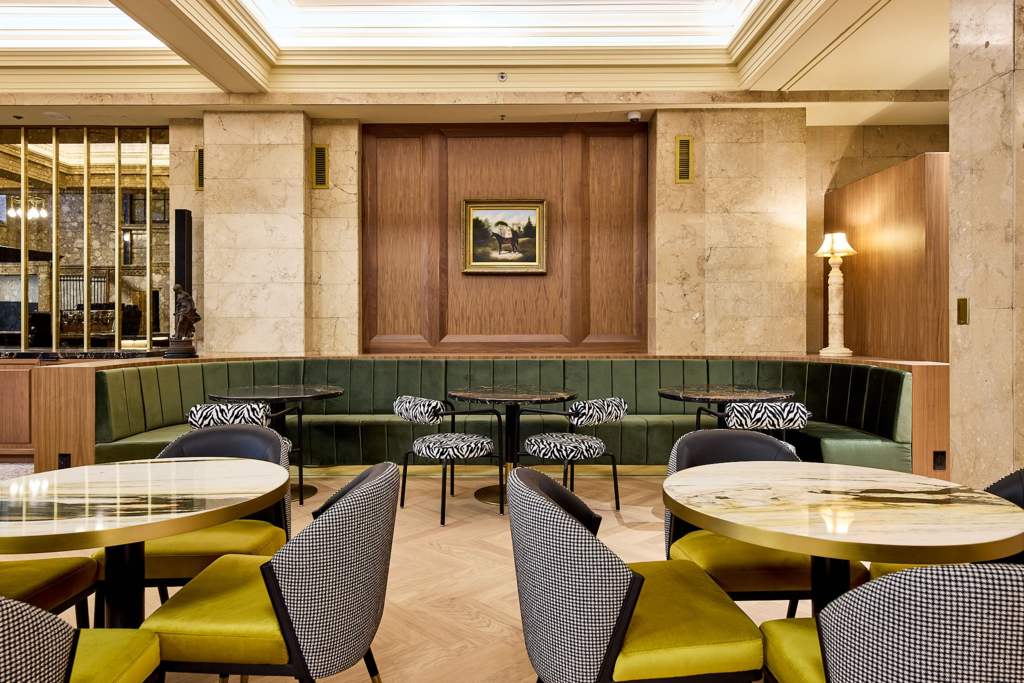
This is why every decision at iQ—from the selection of materials to the design of wellness rooms—is deliberate. Marble, rich wood, aged brass, and meticulous restorations communicate care and permanence, but they’re paired with operational decisions that make daily life seamless. The rooftop patio was built from scratch, a space designed not just for breaks but for spontaneous idea generation. Kitchens stocked with high-quality ingredients encourage casual conversations, and wellness rooms give members the chance to step away from the keyboard without losing momentum.
Willmott’s approach also considers the hidden dynamics of human behavior in offices. Noise, lighting, and even traffic flow influence productivity and morale. “If someone needs quiet, privacy, a place to recharge, or a space to connect, it’s there. Anticipate, deliver, and elevate.” In practice, this philosophy reduces friction, fosters engagement, and builds a workplace culture that feels human-centric rather than transactional.
As companies across Canada navigate post-pandemic expectations, Willmott’s insight is both timely and instructive. “There’s no going back to the old model,” he says. “The workforce has changed. Hybrid work is real, remote work is here to stay, but so is the need for physical spaces that inspire, support, and connect. The best companies will invest in their environments and services, because that’s where culture is made, ideas are born, and loyalty is earned.”
iQ’s rapid growth reflects the appetite for this philosophy. Each new location is a test of how design, service, and culture intersect. “Scaling isn’t just about square footage,” Willmott notes. “It’s about replicating an experience that feels bespoke in every city, for every team. That’s how you win in the modern workplace.”
In a time when companies struggle to fill desks and earn office attendance, Kane Willmott’s vision is both practical and visionary. The lesson is clear: the commute will not be won with mandates, perks, or ping pong tables alone. It will be won by creating workplaces that anticipate human needs, respect time, and elevate the everyday experience of work.