Ryde CEO Richard Schmidt on Redefining Wellness, Building Credible Functional Products, and Leading with “Team Awesomeness”
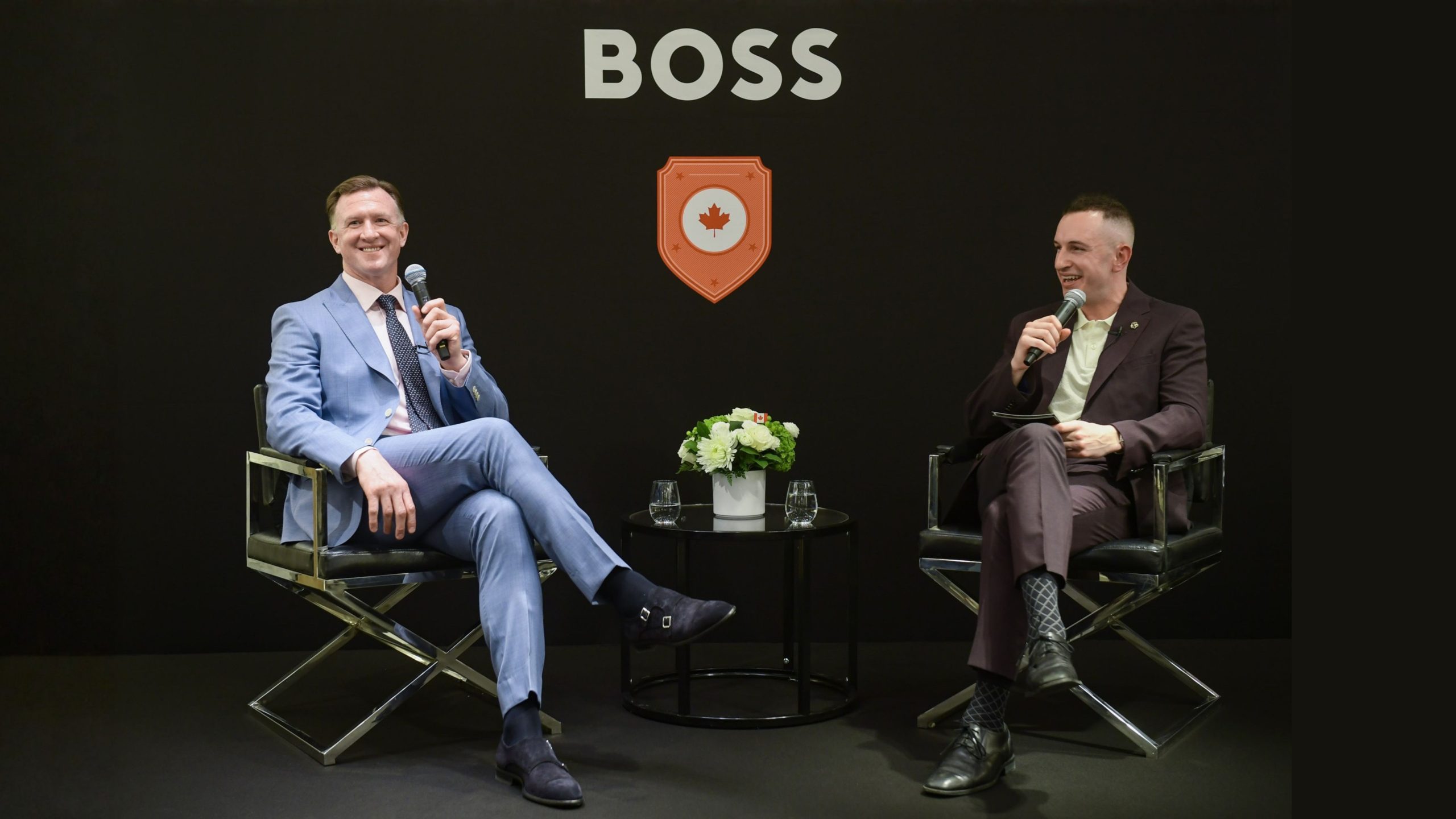
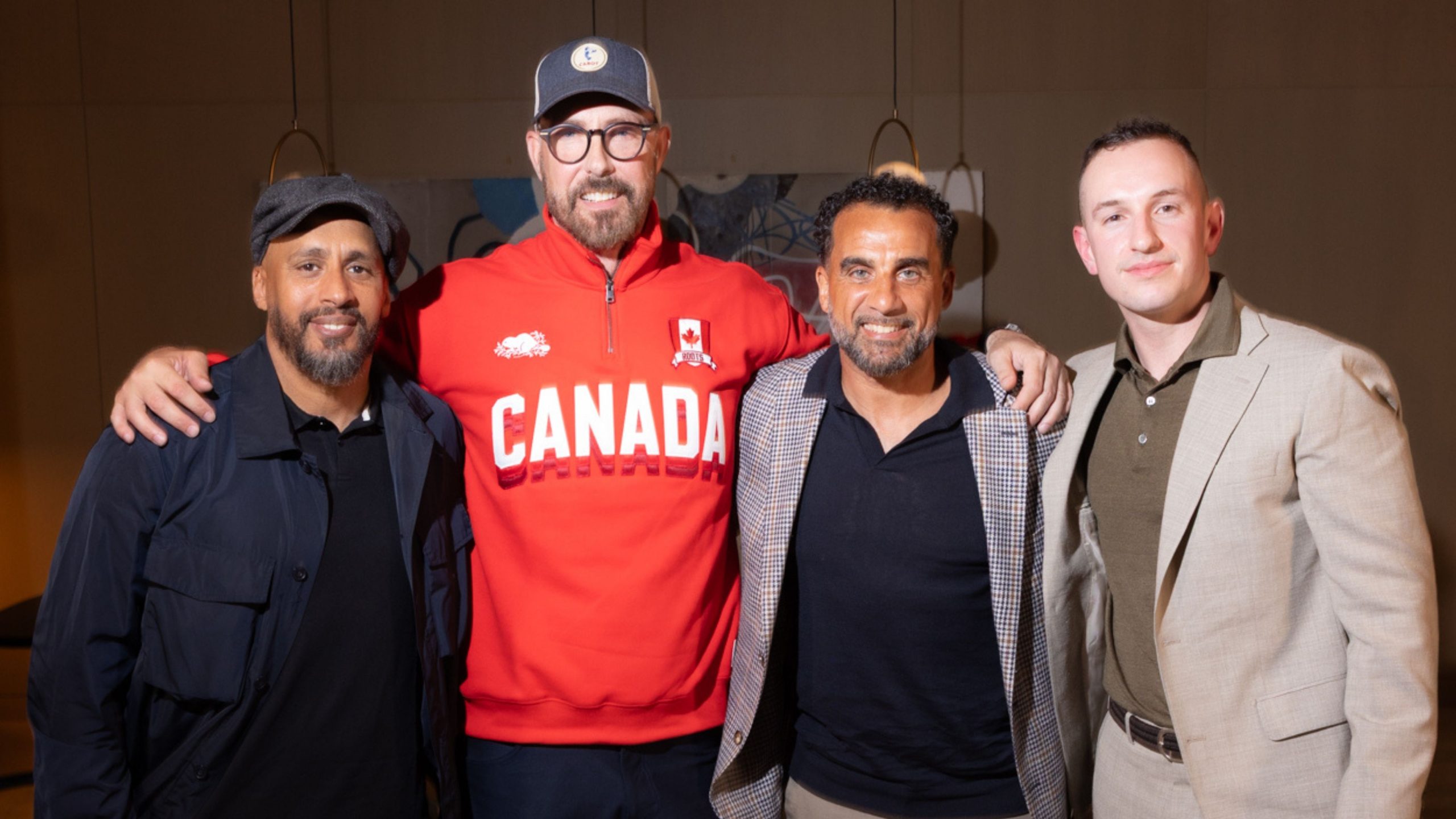
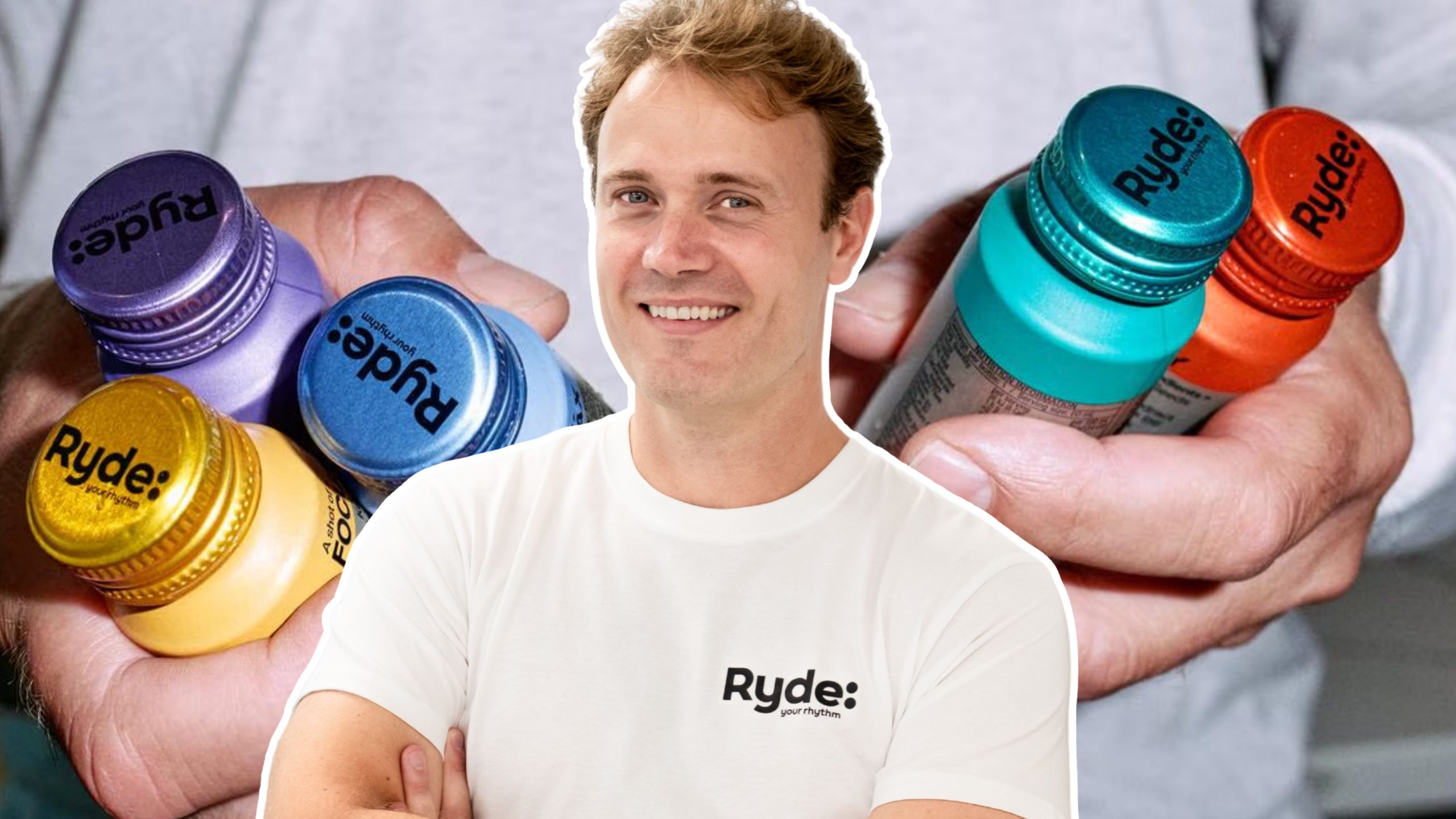
In an era where wellness has become both a buzzword and a pressure point, Ryde CEO Richard Schmidt is taking a decidedly grounded approach. In his conversation with Mission Critical host Lance Chung, Schmidt unpacks what Ryde actually is, why the wellness industry needs fewer promises and more science, and how leadership rooted in empowerment—not control—can unlock real growth.
Listen to the full episode or continue reading below.
You’ve led some of the world’s most iconic CPG brands. What drew you to Ryde, and what are you building there?
Richard Schmidt: It’s been a really exciting journey. Earlier in my career I worked on some of Australia’s most iconic brands, then later with BAT Group, and also Häagen-Dazs—which I still think is one of the most exciting ice cream brands in the world.
What’s unique about Ryde is that we get the backing and infrastructure of a large corporate company, but we’re building the brand from a very small scale. That’s a first for me. It’s not just about building a product or a brand, it’s about building the organization around it.
We’re learning how to operate with the discipline of a big company while staying flexible enough to compete with small, fast-moving brands. In many ways, it’s taken me back to my marketing roots, starting from the embryo of a brand and establishing the principles that will allow it to scale properly.
Your bio mentions “team awesomeness making.” What does that actually mean in practice?
Richard Schmidt: I’ve been lucky to work with some incredible leaders and mentors, and one thing they taught me early is that culture isn’t just about motivation, it’s about getting the best work out the door.
For me, creating a culture of awesomeness means giving people very clear direction, but also giving them the space to build things themselves. In startup environments especially, you never have enough resources. If you try to tightly control everything, it simply doesn’t work.
I’m a big believer in growth mindset. Give people a clear problem to solve, then empower them to solve it the way they think is best. No matter how smart you think you are (and I consider myself “mediocre smart”) you’ll always get better outcomes by letting people think independently.
Wellness and well-being have become catch-all phrases. When are they helpful—and when do they become harmful?
Richard Schmidt: Everyone has their own aspiration for what feeling well looks like. The problem starts when wellness becomes prescriptive or competitive; when brands put forward an ideal that most people can never realistically achieve.
There’s a part of the wellness industry today that reminds me of the old diet industry. Marketing tactics are used to stress people into consuming products. We actively don’t want to be part of that.
At Ryde, we acknowledge that real wellness is about fundamentals: sleep, nutrition, movement, mental health, and community. Products can’t solve those things. That’s 80–90% on the individual, and we’re comfortable saying that.
What we can do is help people in moments. In an imperfect world, sometimes you just need something to get over a hump. We’re not here to save the world, we’re here to help with very defined, everyday challenges.

How do you position Ryde as empowering and not a “quick fix”?
Richard Schmidt: Quick fixes exist because the behaviour exists. We drink coffee for energy. We take painkillers for headaches. That’s part of modern life.
What’s important is honesty. We don’t prescribe constant use, and we don’t overpromise. If someone needs multiple energy shots every day, that’s a bigger issue that needs addressing at a foundational level.
We spend a lot of time explaining what our products do and what they don’t do—whether that’s through digital education, creators, or in-person sampling. Our role is to support people in specific moments, not pretend we’re fixing fundamental health issues.
Ryde focuses on energy, focus, and relaxation. Why those three categories?
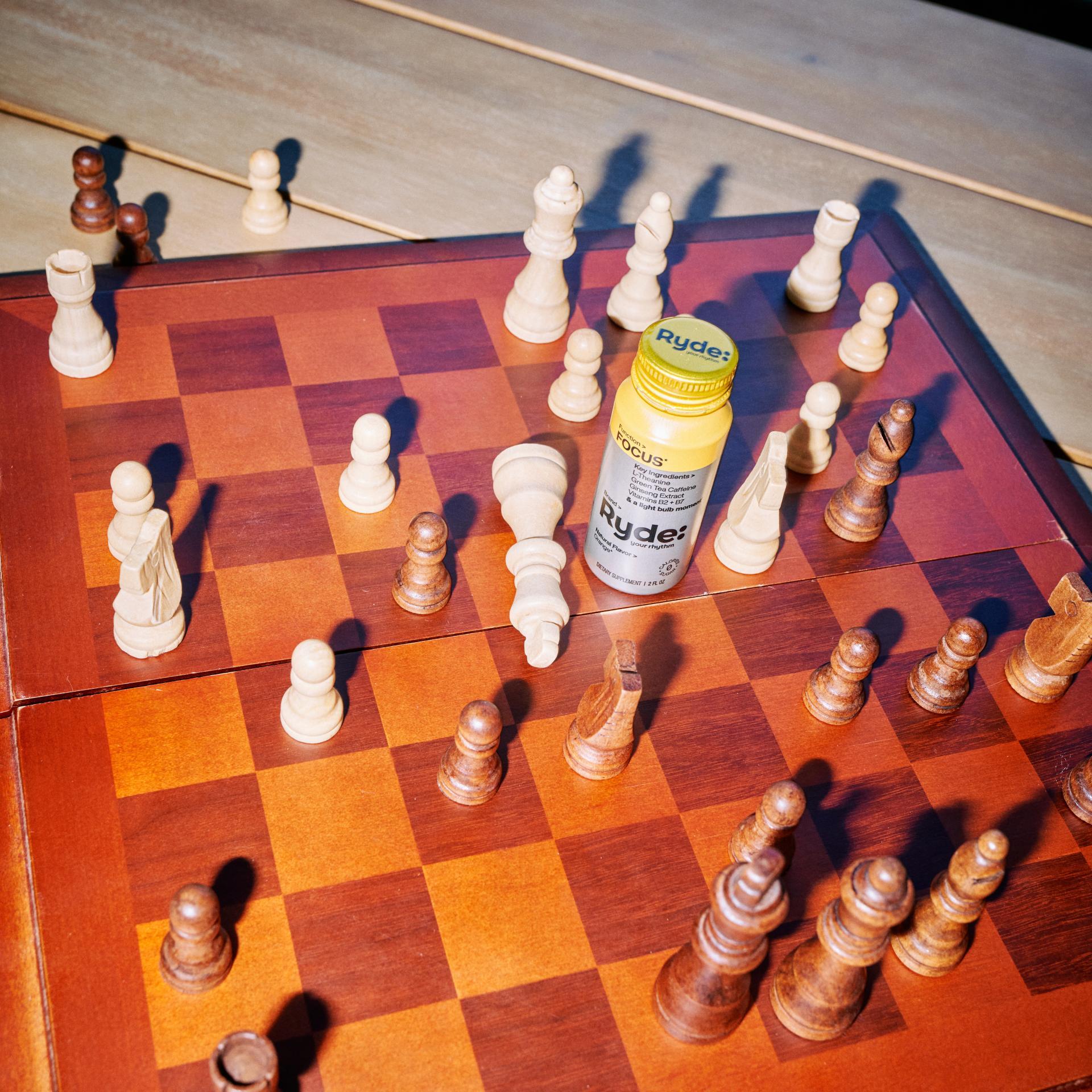
Richard Schmidt: It’s actually pretty simple. Humans move through different need states throughout the day. Sometimes you need energy, sometimes focus, sometimes calm.
People are becoming much more intentional about mood and performance management. They’re no longer looking for one-size-fits-all solutions like traditional energy drinks. They want to modulate based on how they feel in the moment.
What we’re doing isn’t new—traditional medicine systems like Ayurveda and Chinese medicine have focused on this for centuries. What’s changed is our ability to package these ideas in a more accessible, science-backed way.
What separates Ryde from energy drinks?
Richard Schmidt: Energy drinks prioritize refreshment and taste. Ryde prioritizes function.
We’re a shot format because concentration matters. When you concentrate ingredients, you get a shorter-term, more targeted effect—and you avoid things like excessive liquid volume, sugar load, or caffeine jitters.
We’re very deliberate about caffeine levels, ingredient stacks, and synergy—like combining caffeine with L-theanine to create smoother energy. We also keep our products low-calorie, sugar-free, and focused entirely on function.
How much does science really matter in wellness—and how does Ryde approach it?
Richard Schmidt: Science is non-negotiable for us, especially in Canada, which has one of the most stringent regulatory environments globally.
We start by identifying a real, growing need state. Then we evaluate ingredients with credible, peer-reviewed science behind them. From there, we test our formulations (including human effects studies) to ensure the products actually deliver results beyond placebo.
We work with universities, independent experts, and third-party researchers. That investment matters because it allows us to back our claims, speak confidently to regulators, and, most importantly, be honest with consumers.
How does your leadership approach differ between startups and large corporations?
Richard Schmidt: Honestly, the difference isn’t as big as people think. The real issues come down to culture and complexity.
We’ve deliberately avoided layers, silos, and over-governance. Titles matter less than accountability. We operate more like a sports team than a flowchart—clear roles, shared goals, and flexibility to move together.
One of my biggest leadership principles is not making decisions for people. If you bring a proposal, I expect you to back a recommendation—not ask me to choose between A, B, or C. That creates ownership, accountability, and much better thinking.
What does success look like for Ryde over the next five years?
Richard Schmidt: I don’t like defining success purely by revenue. That leads to bad behaviour.
I think of it more like an athlete. You don’t run faster by saying you’ll run faster; you improve technique, discipline, consistency. For Ryde, success is taking everything we’ve learned over the last 18 months and executing it better, repeatedly.
If we focus on doing the right things well, scale will come naturally. And I’m confident it will.
Where do you see the wellness industry heading next?
Richard Schmidt: There are a few big waves coming. GLP-1 weight loss drugs are already reshaping how people think about nutrition. Protein has become a macro obsession—sometimes to the point of anxiety.
Mental fitness and cognitive performance are just beginning to take off, especially with AI increasing pressure on how we perform mentally. And longevity (living better for longer) is starting to emerge as a major conversation.
The category has grown fast for a decade, and it’s only accelerating. It’s an incredibly exciting—and complex—space to be in.