

There is a story behind every ingredient. Before it reaches the hands of a chef and is transformed into a beautifully composed dish, it begins with the land and the people who cultivate it.
For more than 100 years, The Royal Agricultural Winter Fair has honoured that relationship, bringing the richness of Canadian agriculture into the heart of Toronto. What began as a celebration of agricultural excellence has grown into a gathering place for farmers, producers, chefs and the public to share ideas, honour Canadian food traditions and consider what lies ahead.
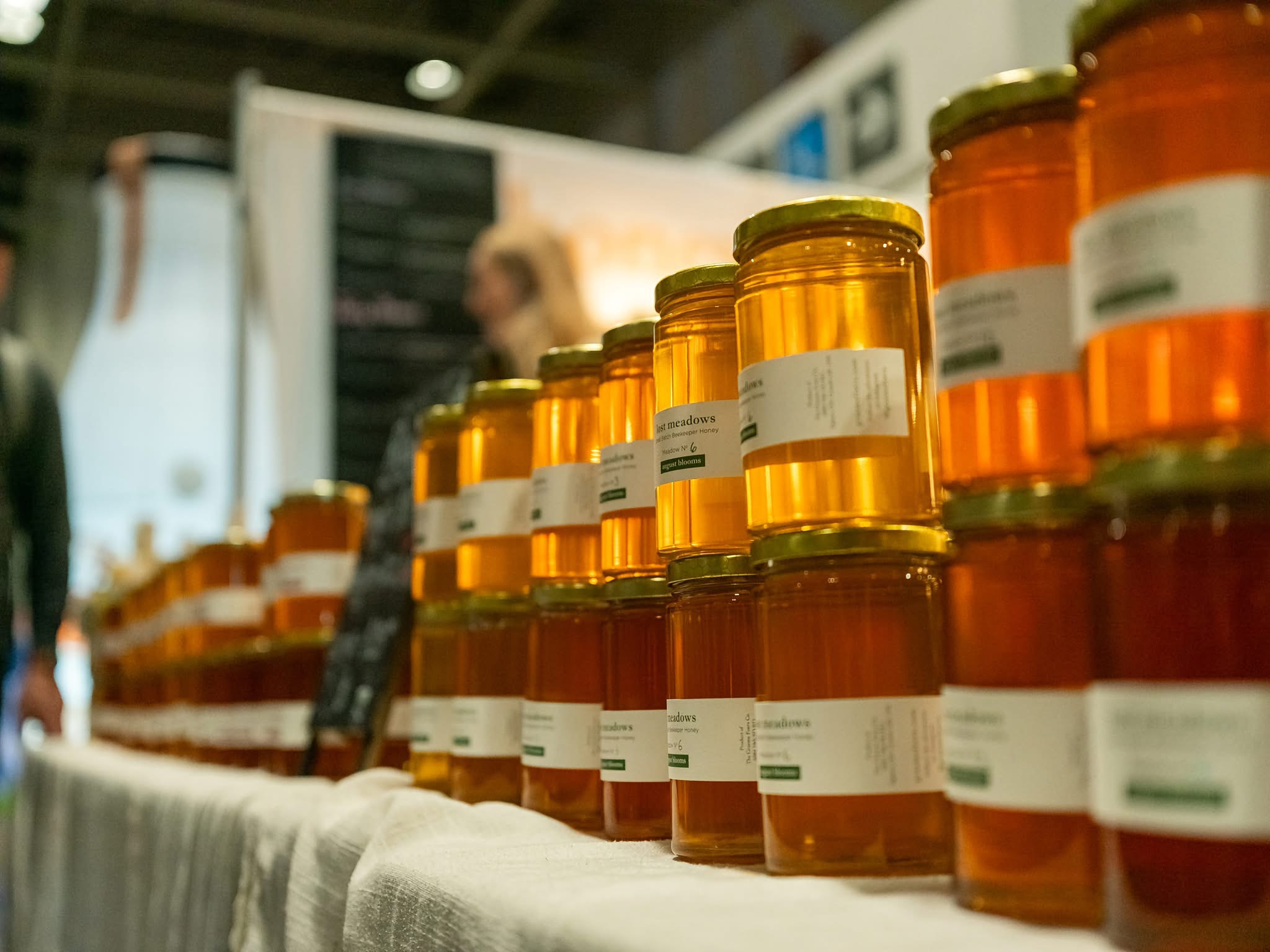
At a time when conversations surrounding sustainability, food security and culinary identity have never been more relevant, The Royal’s role extends far beyond its annual celebration. It is helping bridge the distance between those who grow our food and those who experience it, while introducing a new generation to the people and practices that sustain Canada’s culinary landscape.
A Culinary Evolution Rooted in Agriculture
For Cyrus Cooper, CEO of The Royal Agricultural Winter Fair, the event’s enduring relevance lies in its ability to evolve without losing sight of its agricultural roots.
From the homemade preserves, pies and traditional competitions that helped define its early years to the sophisticated culinary experiences offered today, The Royal continues to celebrate the diversity of Canadian food.
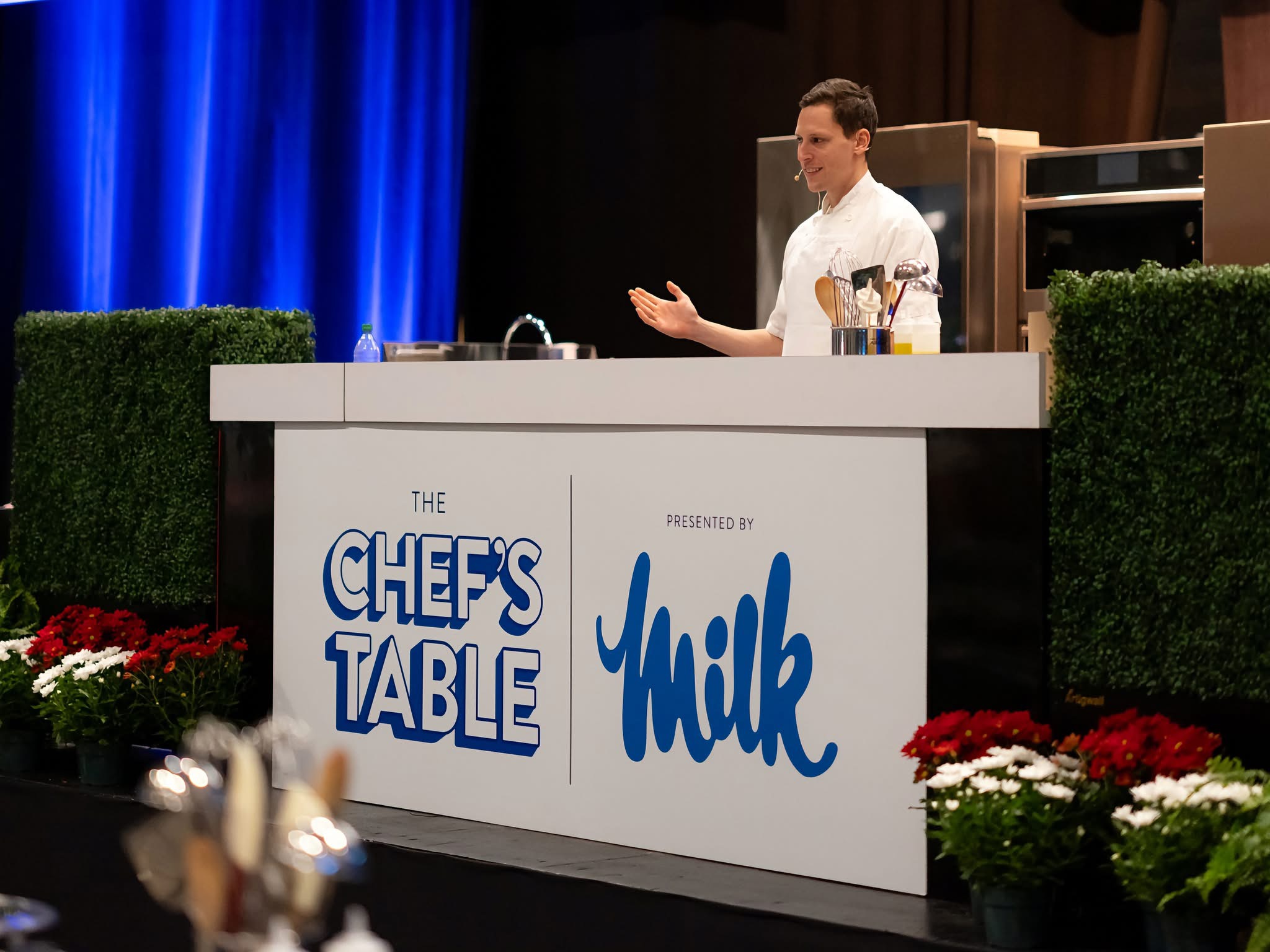
“We’ve still stayed true to our roots,” Cooper explains, while acknowledging the importance of exploring new opportunities, including the introduction of The Royal’s Chef’s Table.
The evolution reflects a broader transformation within Canadian cuisine. Over the past two decades, the relationship between chefs and farmers has become increasingly central to how restaurants approach their ingredients and culinary philosophies.
“Chefs are understanding that their guests demand to know where their food’s coming from,” Cooper observes.
The rise of the 100-kilometre movement, the growing influence of slow food and a renewed appreciation for regional ingredients have helped redefine what it means to cook in Canada.
Today, knowing the origins of an ingredient is no longer simply a point of distinction. It is increasingly part of the conversation surrounding quality, responsibility and authenticity.
At The Royal, chefs have the opportunity to meet the farmers behind those ingredients.
The Relationships Behind the Ingredients
Chef Jason Bangerter of Langdon Hall traces his appreciation for local ingredients back to his early years as a chef.
Having trained and worked in Europe, Bangerter returned to Toronto eager to bring some of those culinary experiences to his own kitchen. He sourced ingredients from France and elsewhere in Europe, but found they simply weren’t as good as when he had worked with them overseas.
“It was at that moment I realized, as a young cook, well, this isn’t the right way to go about this. I should be focusing on the community that I’m in.”
Bangerter began looking closer to home, getting to know local farmers and producers and discovering what was available to him throughout the seasons. Those relationships, however, took time to establish.
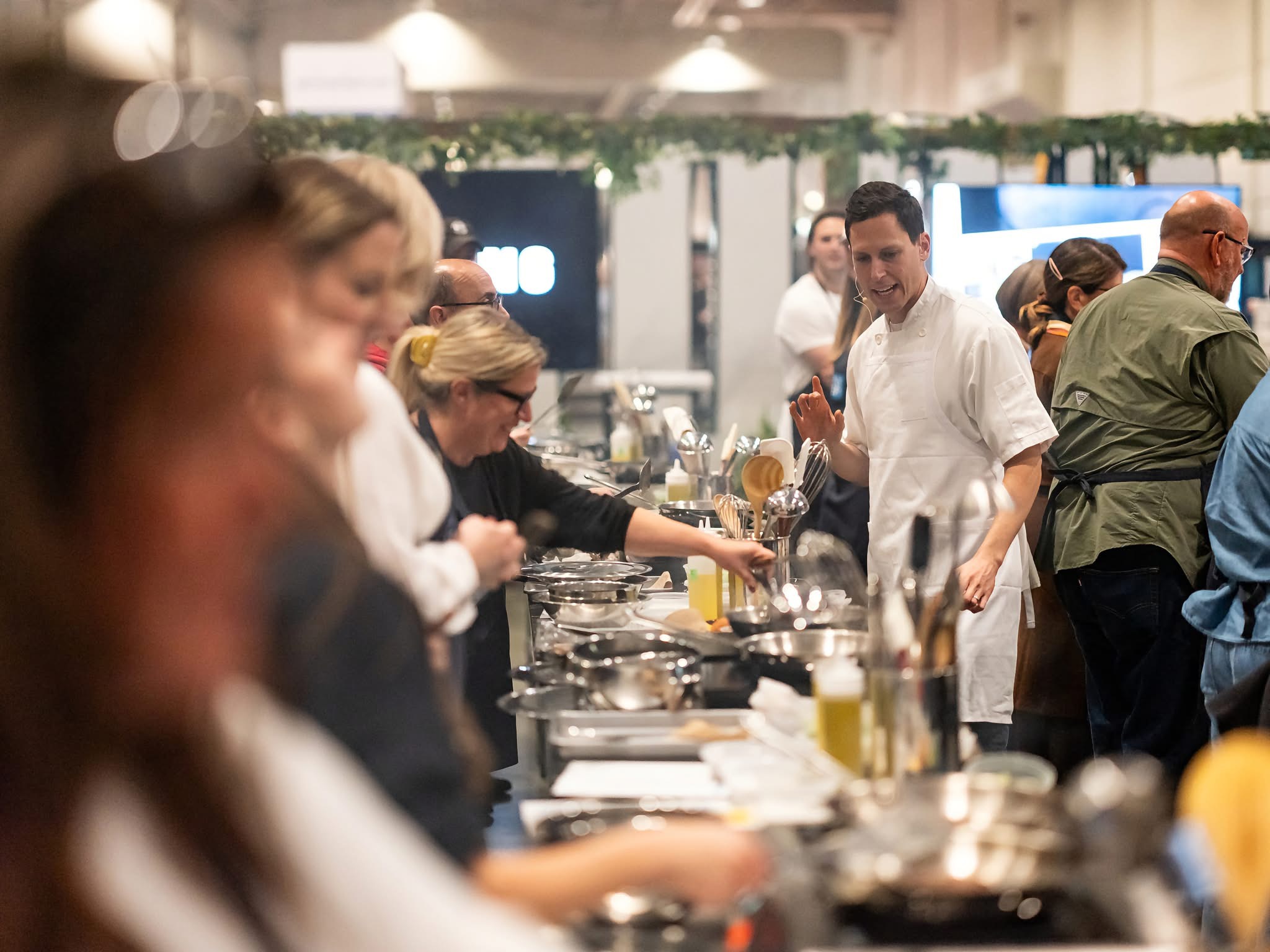
“You have to do hard work,” Bangerter explains. “If you want to find really good ingredients and you want to find people who care about what they’re giving you.”
For Bangerter, sourcing has never been simply transactional. The most meaningful partnerships emerge when chefs and producers share a commitment to quality and the integrity of their work.
When he first arrived at Langdon Hall, local farmers began appearing at the kitchen’s back door carrying baskets of produce, asking whether their ingredients were worthy of being served at the restaurant.
“Some of the most beautiful ingredients I’d seen anywhere,” he recalls, reflecting on his travels and culinary career.
Today, those relationships remain fundamental to his philosophy. At Langdon Hall, he works alongside a team of gardeners and farmers on the property while maintaining close connections with producers throughout the surrounding region.
His commitment also extends to the environmental practices behind the ingredients, from biodiversity and sustainable growing methods to reducing unnecessary packaging.
For Bangerter, the future of Canadian cuisine depends not only on celebrating exceptional products but also on protecting the agricultural communities that make them possible.
Bringing Farmers and Chefs to the Same Table
This philosophy is increasingly reflected in The Royal’s culinary programming, particularly through its Chef’s Table, which brings celebrated chefs into direct conversation with Canadian agriculture.
For Bangerter, who sits on The Royal’s culinary board, the significance of the event is deeply personal.
While establishing his own network of farmers took years of research, conversations and relationship-building, The Royal offers chefs an extraordinary opportunity to discover those connections in one place.

“The Royal brings all of them into one place,” he says, emphasizing the opportunity to encounter some of Ontario’s finest agricultural products and the people responsible for producing them.
Joining Bangerter are some of Canada’s most respected chefs, including Jamie Kennedy, Zach of Fat Rabbit, Ben of Lunch Lady Saigon, Jeremy of The Pine, Rafa of Twenty Victoria and Marvin of Lilliana, David Schwartz of Linny’s, and Nick Liu of DaiLo represent a diverse cross-section of Canada’s evolving culinary landscape.
Their approaches may differ, shaped by individual backgrounds, global influences and distinct culinary perspectives, but their participation reflects a shared opportunity to engage with the agricultural foundations of Canadian cuisine.
The Royal becomes more than a showcase of culinary talent. It creates space for discovery, collaboration and a deeper understanding of the relationship between the farm and the plate.
For Cooper, the growing interest from the culinary community signals an important shift.
“We’re now getting chefs asking to be part of The Royal,” he says, noting the interest from Michelin-recognized chefs who see the event as aligned with their own values.
Inspiring the Next Generation
For Cooper, much of The Royal’s work is about introducing young people to agriculture and helping them understand where their food comes from. School visits, hands-on activities and year-round educational programs are an important part of that effort.
He recalls watching students take part in cooking class at the fair, experimenting with unfamiliar ingredients and proudly presenting their creations for feedback. With thousands of students visiting The Royal each year, Cooper believes that inspiring even a small number of them to take an interest in food and agriculture makes the effort worthwhile.
Bangerter, who regularly speaks to students about careers in food and hospitality, also stresses the importance of agricultural education.
“We have to support our community. We have to support our local economy. We have to support our farmers.”
For Bangerter, that begins with helping young people understand the work that goes into producing their food and appreciate the knowledge farmers have passed down through generations.
The Future of Canadian Food
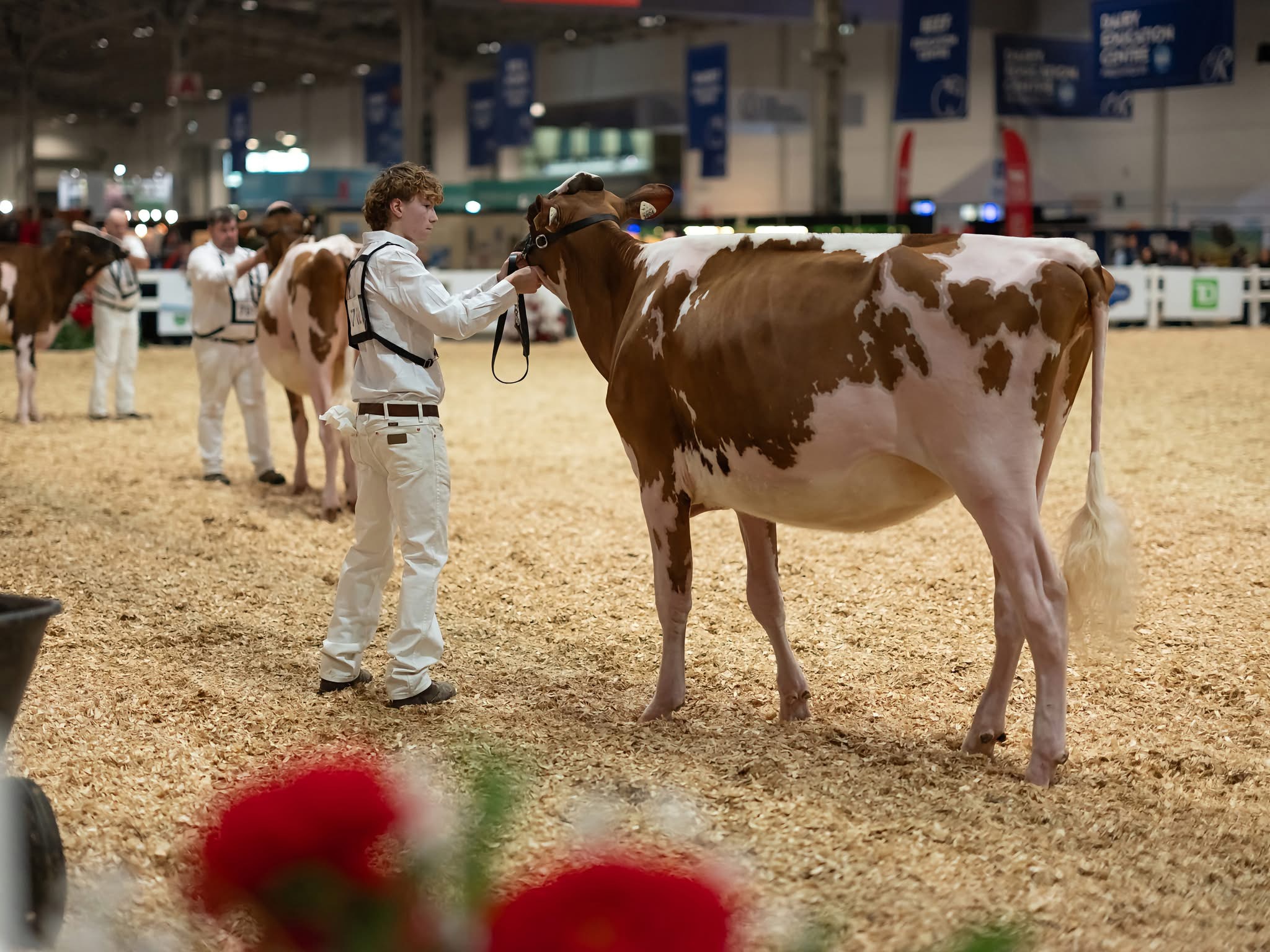
As Canadian cuisine continues to evolve, much of its future will depend on the relationship between chefs and the farmers who supply their kitchens.
The growing interest from the culinary community in The Royal Agricultural Winter Fair speaks to the importance of that relationship. For generations, the fair has given Canadians an opportunity to meet the people who produce their food and gain a better understanding of agricultural life.
As Bangerter puts it, “Farmers feed cities, farmers feed communities, farmers feed Canada.”
Photo credit: The Royal Agricultural Winter Fair