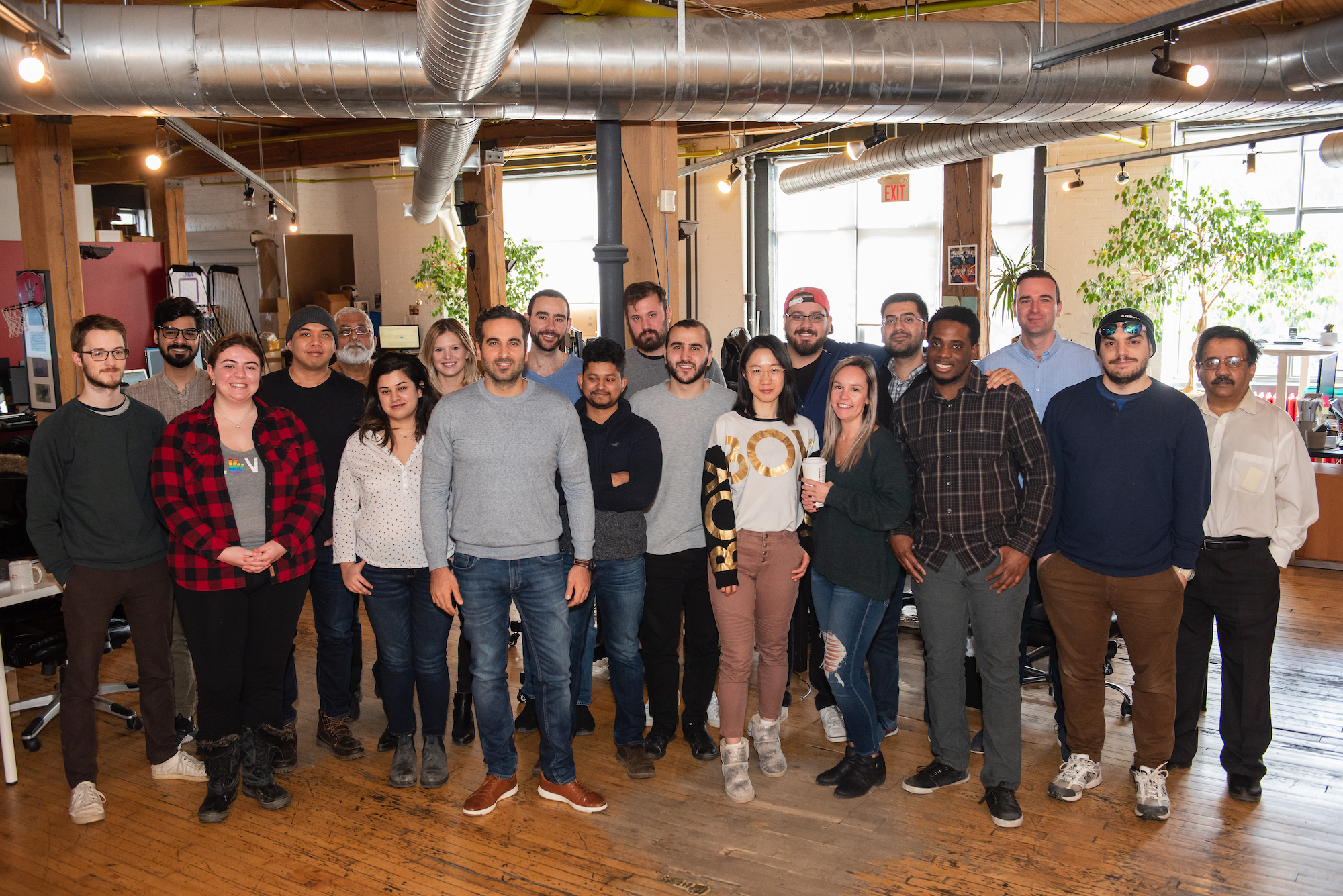


These days, the tech startup community can feel a bit like the wild west – full of gunslinging founders, new frontiers to be explored, and rules that are seemingly meant to be broken.
For Ghassan Halazon, success has meant staying focused and applying a strict discipline to his business strategy. His company, EMERGE Commerce Inc., manages a portfolio of four e-commerce brands (Wagjag, Buytopia, Shop.ca, Shop.us) with a combined total of over two million members – an impressive feat given the landscape’s extreme volatility. With over ten years of entrepreneurial experience, Halazon’s learned a few things along the way to building his empire. The e-commerce landscape is one characterized by instability. How have you been able to stay nimble? The single biggest reason e-commerce startups run into trouble is due to exorbitant customer acquisition costs. EMERGE replaces typical advertising budgets by acquiring reputable brands with proven customer databases at a fraction of the cost it would take to build them from the ground up. Sustainability is a state of mind. A disciplined mergers and acquisitions-driven customer acquisition strategy is one way we keep costs low, but that logic carries through the rest of the organization. It's baked into our DNA. If we can't see how a particular path can make money over a reasonable amount of time, we just refuse to move forward with it. Where do you think e-commerce brands struggle or go wrong when it comes to managing margins and growth? Most e-commerce companies prioritize growth for the sake of growth, assuming if they scale large enough, it will be easy to reverse engineer profitability in 'one day'. This VC-driven mentality to 'Scale or Die' has resulted in an enormous amount of e-commerce wreckage over the years. For every Amazon or Wayfair, there are countless casualties that have built their businesses on the back of terrible unit economics, with the assumption that they will be able to raise the next round to fuel further growth. At some point, capital dries up, investors get tired, markets turn, and the startup is left empty handed. Unless you build profitability into your model early on, your startup is at the mercy of outside forces.