
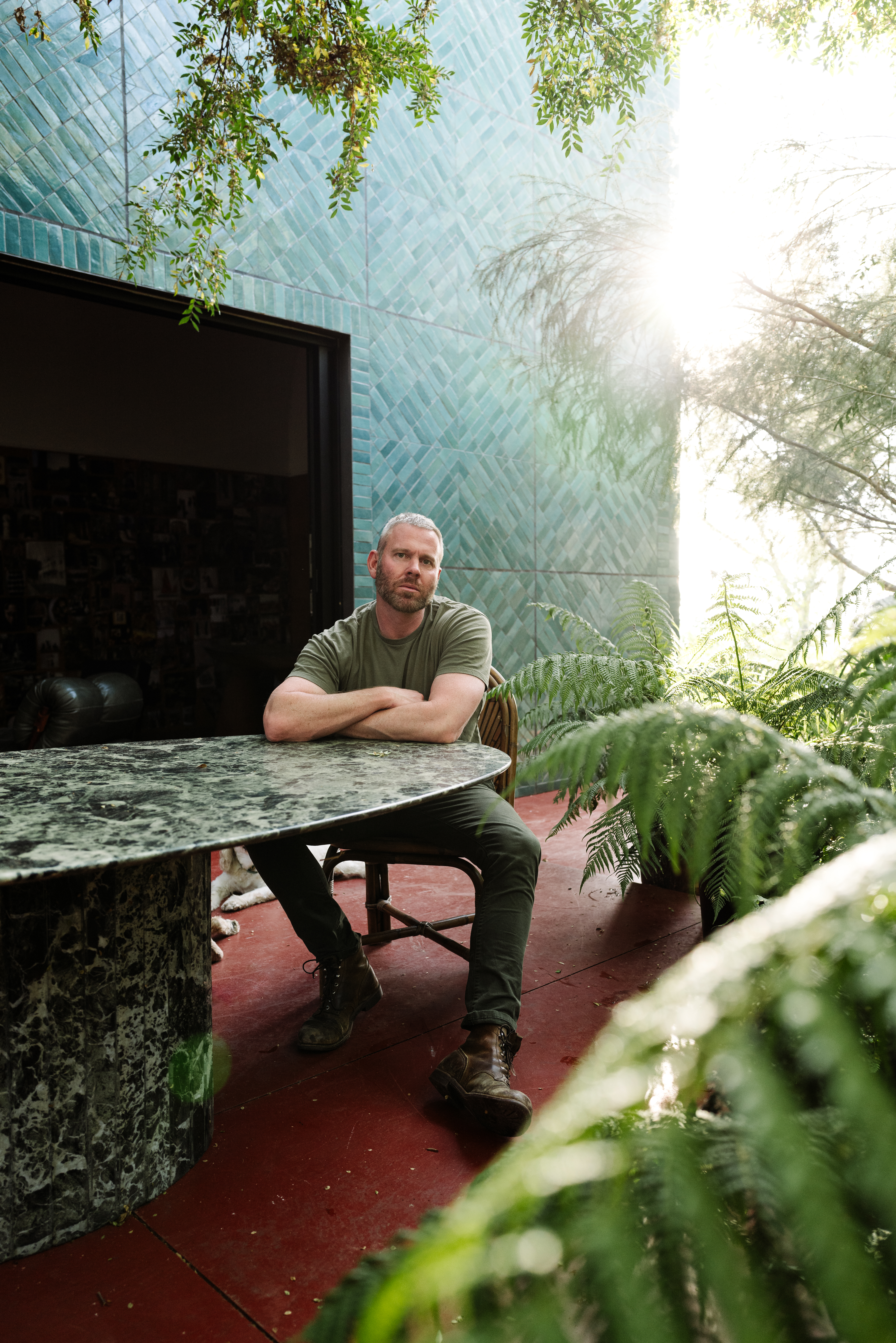

Five years ago, Richard Christiansen lost almost everything.
The Australian-born entrepreneur had spent nearly two decades building a successful branding and advertising agency in New York. By any conventional measure, he had made it. His clients included some of the world's most prestigious luxury brands. He had built a respected business, assembled a large team, and established the kind of career many ambitious creatives spend a lifetime pursuing.
Then the pandemic arrived.
Within weeks, the business that had defined much of his adult life began to unravel. Offices closed. Clients disappeared. Revenue evaporated. What had taken nearly twenty years to build collapsed in a matter of weeks.
Looking back now, Christiansen can acknowledge something he struggled to admit at the time. Long before COVID dismantled his business, he had become disconnected from the life he actually wanted.
"I was lonely. I was traveling too much. I was drinking too much. I was radically out of alignment."
The collapse was devastating. It was also, unexpectedly, liberating.
"My whole identity and self-esteem was tied to that office," he says. "But it had to fall apart spectacularly for me to get what I wanted."
Today, Christiansen speaks from a very different place. Literally and figuratively.
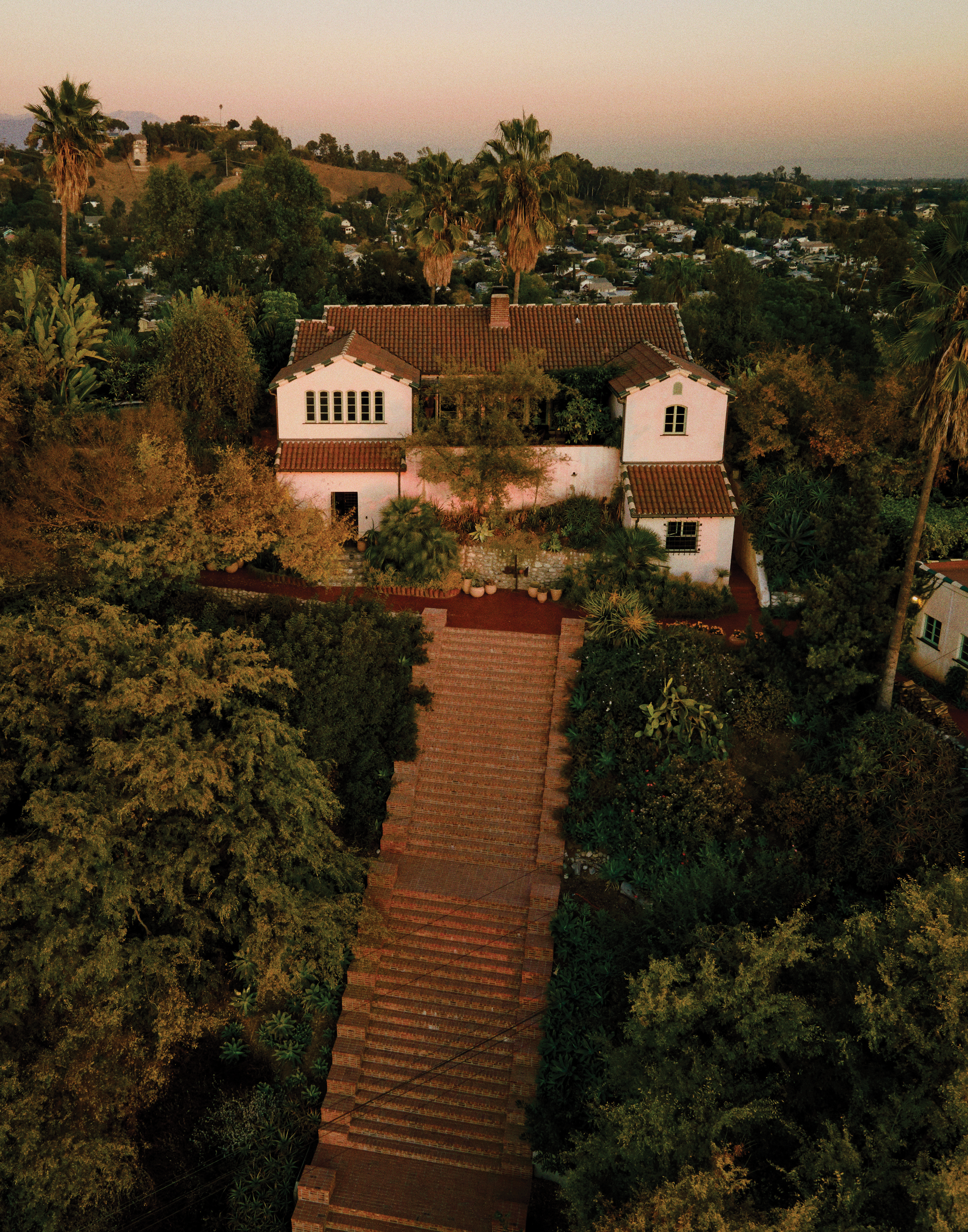
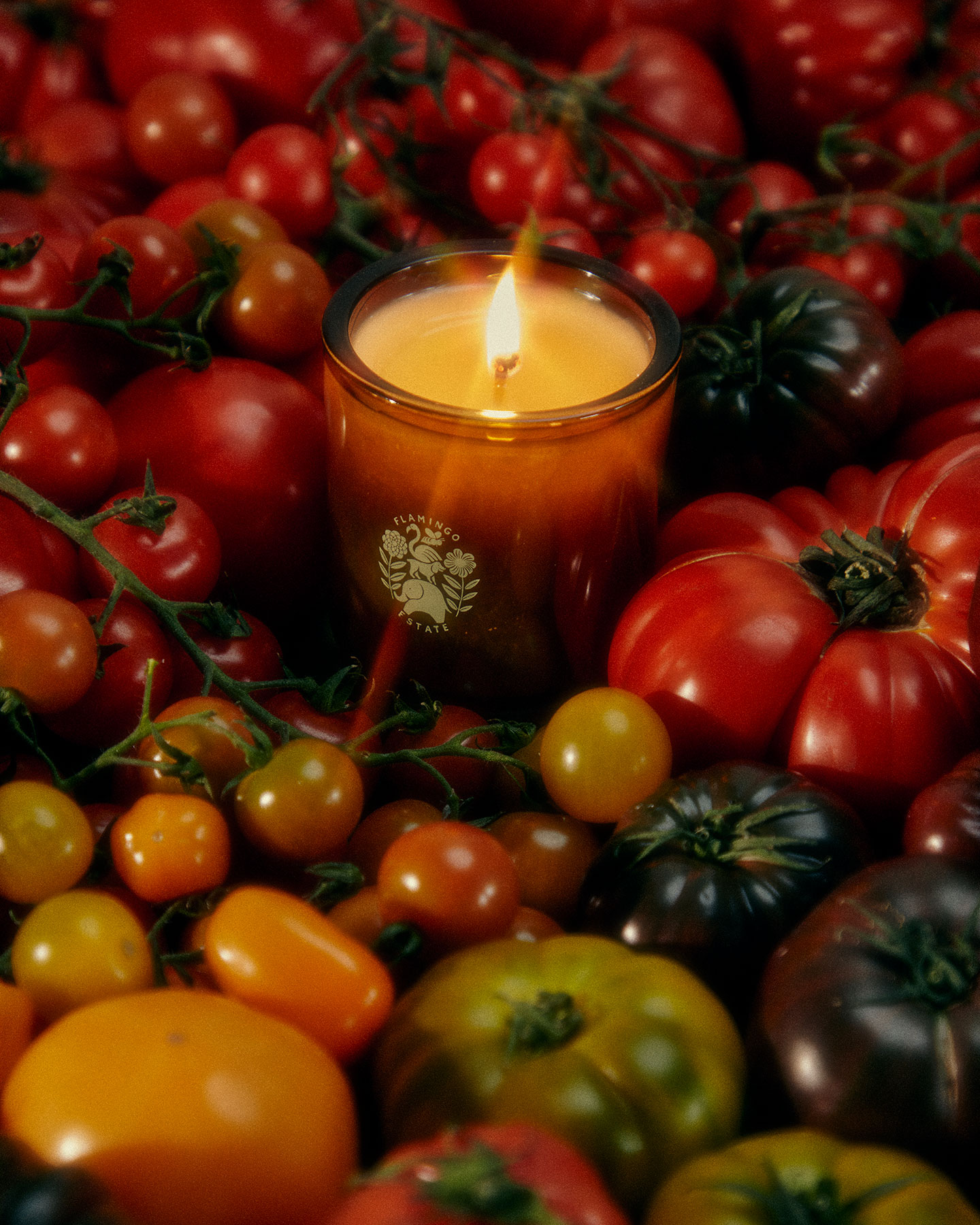
That place is Flamingo Estate, the historic Los Angeles property that has become both his home and the foundation of one of the most intriguing luxury brands to emerge in recent years. Nestled among orchards, gardens, beehives, and olive trees, Flamingo Estate has evolved from a personal sanctuary into a rapidly growing global business. Its products, ranging from olive oil and honey to soaps, candles, and bath products, are now sold internationally, including a recent launch in Canada through Holt Renfrew.
Yet to describe Flamingo Estate simply as a lifestyle brand misses the point entirely.
What Christiansen is really building is a challenge to how we think about luxury itself.
For decades, luxury has largely been defined by exclusivity, heritage, craftsmanship, and price. Those elements still matter, but Christiansen believes something deeper is taking place. As technology accelerates, artificial intelligence becomes embedded into everyday life, and consumers grow increasingly disconnected from the origins of the things they buy, a new understanding of luxury is beginning to emerge.
"Mother Nature is the last great luxury house," he says.
It is a line he repeats often, and one that serves as the philosophical foundation of Flamingo Estate.
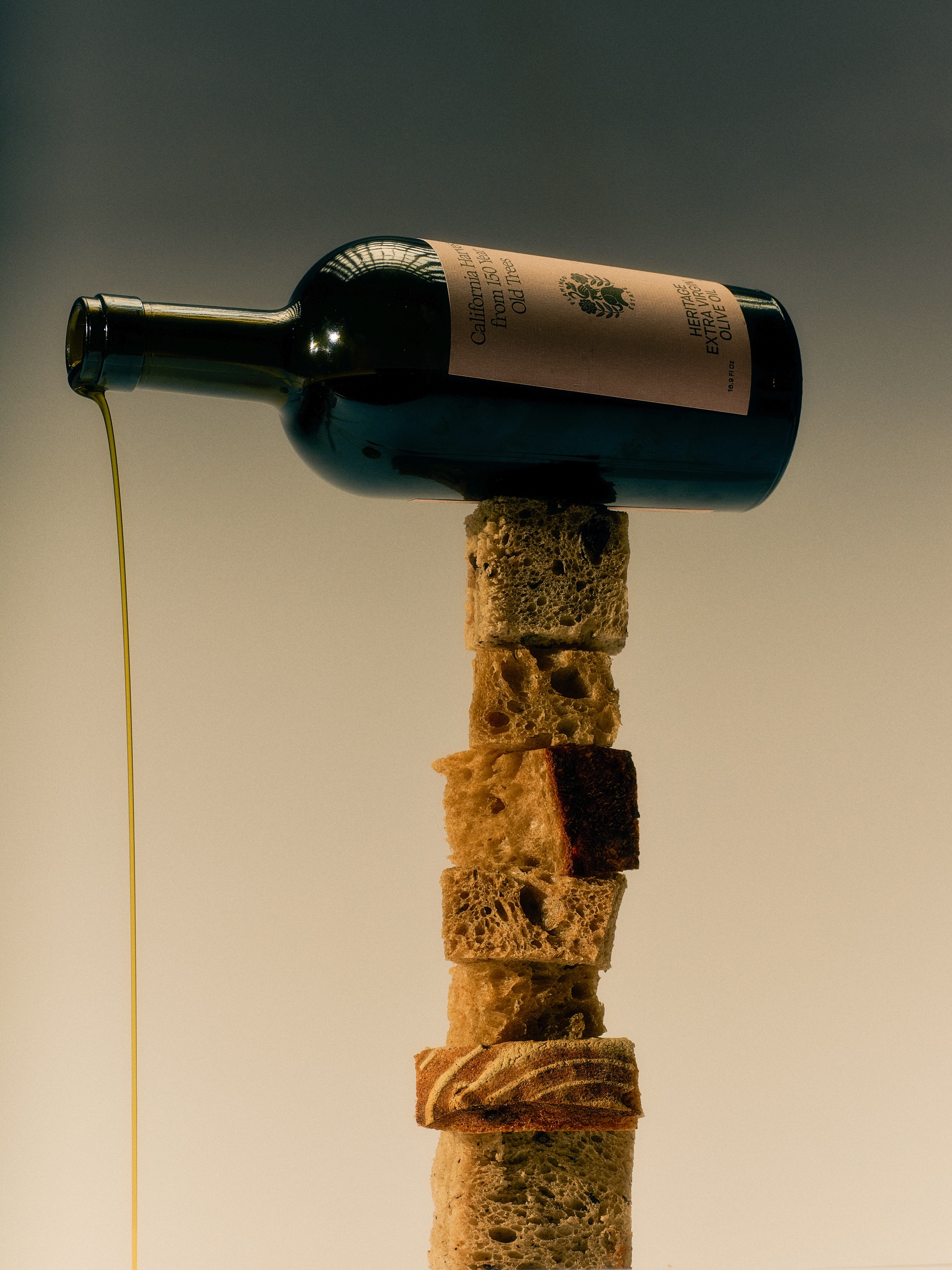
Unlike many founders, Christiansen does not talk about disruption or innovation with particular enthusiasm. He is far more interested in discussing olive trees, farmers, soil, and the rituals that shape daily life. During our conversation, he speaks about a bottle of olive oil with the same reverence others reserve for a mechanical watch or a handcrafted leather bag.
The comparison is intentional.
Those olive trees may be more than a century old. A single bottle can take a year to produce. Dozens of people touch it before it reaches a consumer. The ingredients cannot be rushed. The process cannot be automated. The result is shaped by climate, geography, human expertise, and time itself.
To Christiansen, that is luxury.
"I think about our olive oil all the time," he says. "More time goes into a bottle of olive oil than a Chanel handbag."
At a moment when nearly everything can be copied, replicated, automated, or mass-produced, he believes craftsmanship and provenance are becoming increasingly valuable. Consumers are no longer just buying products. They are buying stories, meaning, and connection.
That belief is rooted in his upbringing. Christiansen grew up in rural Australia in a family of farmers. His parents spent generations working the land, growing everything from avocados and sugar cane to tea tree oil and honey. The experience left a lasting impression, particularly around the realities of farming.
"I understand how hard that work is," he says. "It never stops."
The lesson was not simply about work ethic. It was about understanding the fragility of the food system and the economic pressures facing growers. Farmers, he argues, are often trapped in a system that expects food to become cheaper while simultaneously demanding higher standards and greater sustainability.
That tension became the unexpected catalyst for Flamingo Estate.
The company did not begin with a business plan or a product roadmap. It started during the first weeks of COVID when a farmer faced losing her livelihood as restaurants and markets shut down. Christiansen stepped in to help sell her produce. One box of vegetables became ten. Ten became hundreds. Soon, other farmers began reaching out.
Five years later, Flamingo Estate works with more than 160 farms and producers.
The business has expanded dramatically, but its unconventional origin story continues to shape its operating philosophy. Most companies start with a product and then search for ingredients. Flamingo Estate started with ingredients and asked what products could be made from them.
That distinction may sound subtle, but it changes everything.
"We're an ingredient brand," Christiansen says.
The approach has created both opportunity and complexity. It has also made fundraising difficult. Investors often want clear categories and familiar playbooks. Flamingo Estate fits neatly into neither. It exists somewhere between food, beauty, wellness, hospitality, and luxury.
For years, Christiansen struggled to convince investors that the model could work. He estimates he sat through more than 160 meetings before securing meaningful funding.
The experience left an impression.
"I used to think finance people knew something I didn't," he says. "Now I know they don't."
What he eventually discovered was that the most valuable investors were not career financiers, but entrepreneurs who had built businesses themselves. People who understood uncertainty. People who understood persistence. People who understood what it means to build something before the world fully understands it.
That conviction has become increasingly important as Flamingo Estate continues to grow. Christiansen is unapologetically ambitious about the company's future. He talks openly about building a billion-dollar brand. Yet unlike many founders, he is equally obsessed with preserving intimacy.
"Scale is the enemy of intimacy," he says.
It is a phrase that surfaces repeatedly throughout our conversation.
He believes many brands lose their identity not because they grow, but because growth demands compromises. The challenge is not whether a company can scale. The challenge is whether it can scale without losing the values that made it meaningful in the first place.
The question feels particularly relevant today. Across industries, consumers are becoming increasingly skeptical of scale for its own sake. Bigger is no longer automatically better. Faster is no longer inherently desirable.
In response, many people are searching for something that feels more human.
Christiansen sees that search everywhere.
He talks about ceremony frequently. Not grand gestures or special occasions, but the everyday rituals that have quietly disappeared from modern life. Setting a table. Sharing a meal without phones. Taking time to cook. Making coffee. Spending an afternoon in the garden.
These moments may seem insignificant, but he believes they fulfil a deeply human need.
"The promise of technology was that we'd spend less time doing boring things and more time doing the things we love," he says. "Instead, we're spending more time scrolling."
What has been lost in the process, he argues, is our connection to the physical world and to one another. We consume more content than ever, yet often feel less present. We are constantly connected, yet increasingly disconnected.
Perhaps that is why Flamingo Estate resonates beyond its products. At its core, the brand is selling a vision of life that many people feel they have lost.
A slower life. A more sensory life. A life rooted in place, community, and experience rather than constant acceleration.
For Christiansen, this shift has transformed his understanding of success. Earlier in his career, success was tied to growth, clients, recognition, and professional achievement. Today, the definition feels far simpler.
"My definition of success is smelling everything, tasting everything, feeling everything."
It is a deceptively profound statement.
In an age obsessed with productivity, Christiansen's version of ambition is not about doing more. It is about experiencing more. Not collecting achievements, but engaging fully with the world around him.
That does not mean he has abandoned ambition. Far from it.
One of the most fascinating tensions within Christiansen is his ability to hold two seemingly contradictory ideas at once. He wants to build a global company. He wants to compete with some of the most powerful brands in luxury. He wants Flamingo Estate to become a defining company of its generation.
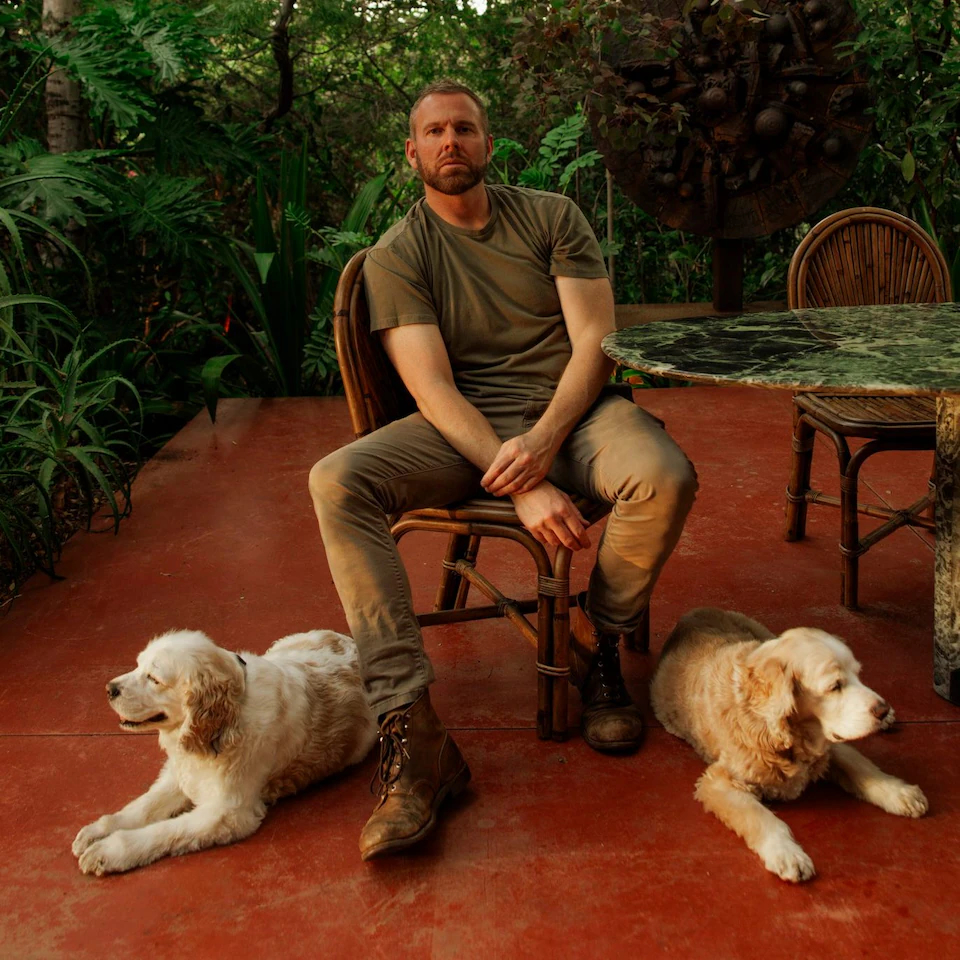
At the same time, he measures success through good meals, meaningful conversations, time spent in his orchard, and mornings with his dogs among the trees.
For many people, those visions would seem incompatible.
For Christiansen, they are the same vision.
The business exists to support the life, not the other way around.
Perhaps that is the real story of Flamingo Estate. Not a tale of entrepreneurship or luxury, but a story about redefining what both can mean. In a culture that often celebrates scale above all else, Christiansen is betting on something more enduring: that people are hungry for connection, authenticity, and experiences that engage all five senses.
And in a world increasingly shaped by algorithms, automation, and artificial intelligence, that may prove to be the most valuable luxury of all.
Photography courtesy of Flamingo Estate