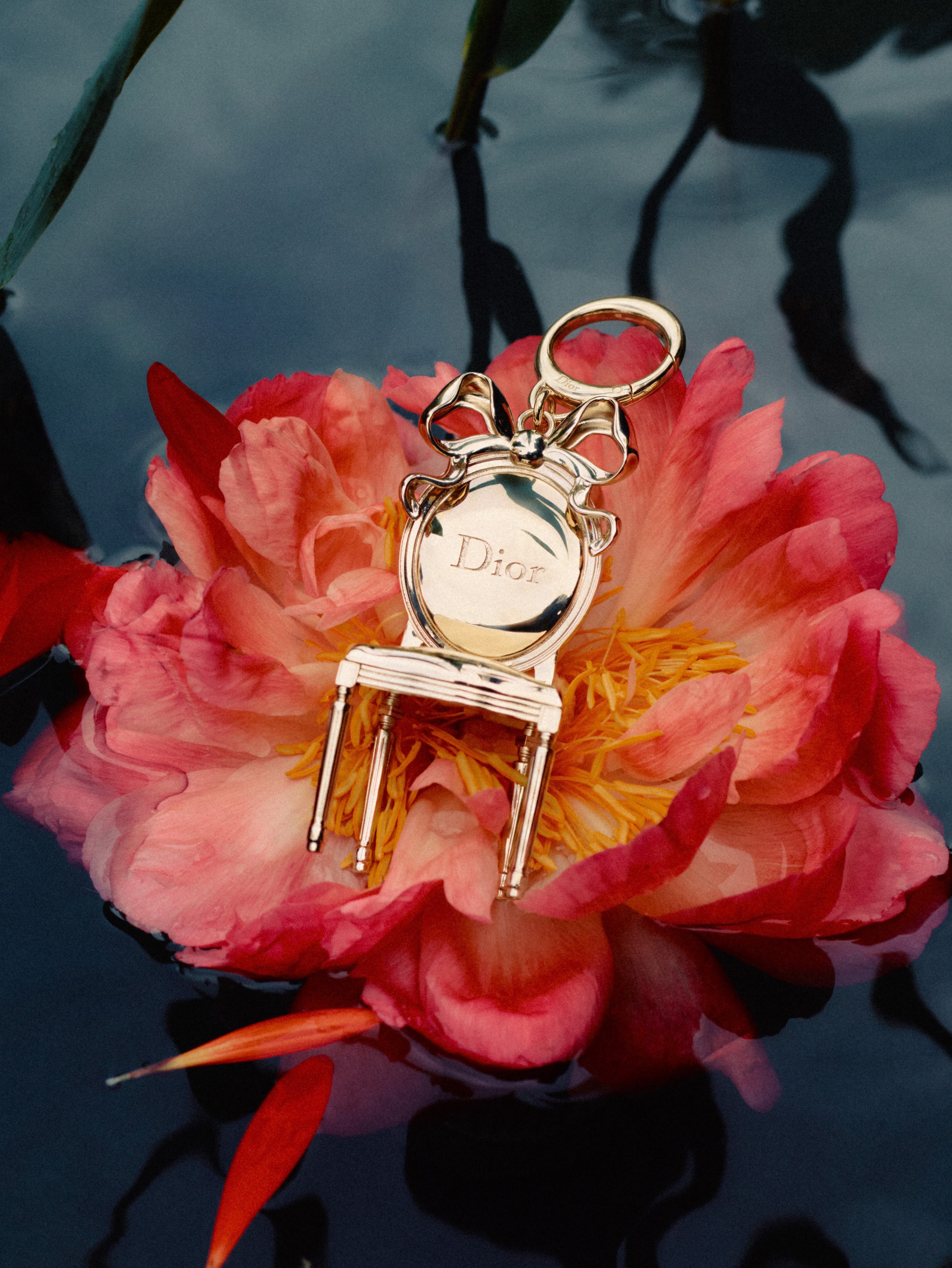

The Dior Médaillon is one of those house details that feels inevitable once you notice it, an oval that seems to have always belonged to Paris. What began as the back of a chair in Christian Dior’s first boutique has, in 2026, become a wearer’s punctuation mark. Under Jonathan Anderson, the motif slips confidently across categories, a bold waist buckle, an earring suspended beneath a small bow, a neat embroidery on leather, then a charming return to origin as a miniature chair charm. It is not nostalgia, it is Dior reminding you that heritage can still behave like design.
Fashion has a habit of flattening history into decoration. The Médaillon refuses. It carries the memory of rooms, posture, and the particular theatre of couture fittings, all without turning precious. If you want to understand how a house stays itself while moving forward, follow the oval.
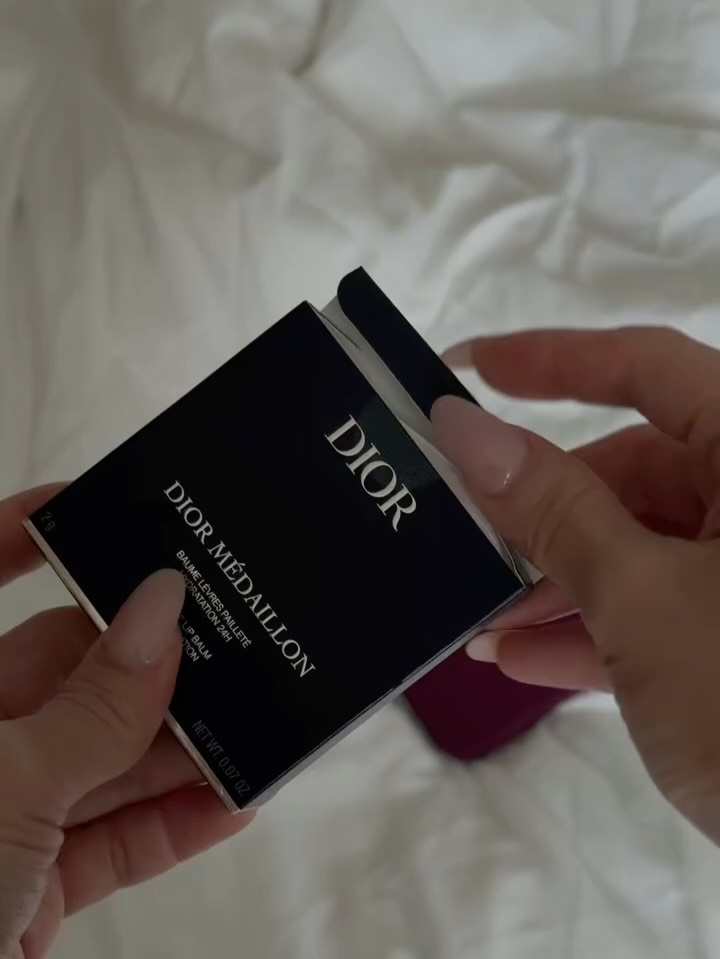
The Dior Médaillon, Explained
The story starts with furniture, which is fitting for Dior. When the house staged its earliest collections, the oval backed chairs made an impression of their own, elegant, disciplined, and quietly welcoming. The Médaillon shape travelled from salons into codes, and from codes into objects you can actually live with. It is why it looks so natural on a buckle or an earring, it has always been about framing.
If you want the official lineage, Dior has never been shy about its symbols, but what matters now is how this one is being worn. Anderson’s version feels crisp, graphic, and slightly mischievous, like a good cameo pinned in the wrong place on purpose.
The waist buckle, the confident option
Worn at the waist, the Médaillon becomes architecture. It tightens a silhouette and pulls the eye to the body’s centre, which is exactly what Dior has always done best. Compared with logos that shout, this is a sign with manners. It reads as someone who knows where they are in fashion history, and does not need to announce it.
The bow earring, the intimate option
On the ear, especially beneath a small bow, the Dior Médaillon turns flirtatious. The oval catches light like a miniature frame, and suddenly the gesture is not branding, it is portraiture. If you spend time around vintage jewellery you will recognise the appeal, that sense of private ornament meant to be noticed only when someone is close enough.
Embroidery and bag detailing, the collector option
Embroidered on a bag, the motif feels like a stamp of provenance. It is the kind of detail that rewards touch, thread against leather, raised then flattened by use. This is where the Médaillon becomes most modern, less like a relic and more like a graphic device, as if Dior were sketching on its own accessories.
Why the motif works in 2026
We are living through an era that prizes recognisable codes, but mistrusts obviousness. The Dior Médaillon hits that sweet spot. It is legible, yet it retains discretion, closer in spirit to a well cut lapel than a billboard. It also speaks to a broader mood in luxury, a return to objects that feel made, not merely produced. You see this conversation across the industry, from Chanel and its insistence on house emblems, to Hermès and its devotion to craft as identity.
On Glory Media Fashion, we often talk about the difference between an accessory and a signature. The Médaillon is a signature because it feels rooted in how Dior has always staged femininity, with interiors, ceremony, and a certain Parisian control. If you are drawn to the cultural life of symbols, you will find adjacent obsessions in Luxury and the way houses translate archives into desire, or in Culture, where objects become shorthand for an era.
Which Dior Médaillon should you choose
My advice is simple. Choose the version that matches how you want to be read. The buckle is assertive and clean, excellent with minimal tailoring and sharp daywear. The bow earring is a cultivated whisper, better for evenings, dinners, and the kind of rooms where people notice details. The embroidered bag is for the person who wants their references to unfold over time, the kind of luxury that grows quieter as it gets better.
And the chair charm, the most charming of the lot, is for those who understand that fashion is often at its most sophisticated when it remembers where it came from, then smiles about it.
Image credits to the respective owners, Dior, and photographers including Romain Roucoules.