

Jeremy Charles, Kyumin Hahn and Coulson Armstrong each cook in a different place and with a different set of ingredients. Charles has spent much of his career in Newfoundland, building relationships with fishermen, hunters, foragers and producers. In Denmark at his restaurant Kadeau, Hahn works with a four-acre farm, where vegetables can be picked in the morning and served at the restaurant later that day, while much of the harvest is preserved for use through the colder months. At Prime Seafood Palace in Toronto, Armstrong’s cooking is similarly tied to the people and places supplying the kitchen. The restaurant works closely with Blue Goose Farm in the Niagara region, which grows produce for the restaurant, alongside the Ontario farmers and producers Armstrong has built relationships with over the years.
They cook very differently, but in Toronto the conversation kept coming back to the same thing. Where ingredients come from, who grows or catches them and the relationships behind them.
Charles wants to know who caught, grew or gathered what comes into his kitchen. “I think, especially in today’s world, people really want to know where the food’s coming from,” he says. “I think it’s so important to have that connection, to know the story behind the food. It’s not just something that just arrived at the back door from God knows where.”
For Charles, Newfoundland is proof that you do not have to look far for something worth cooking. He describes it as “a small island off the east coast of Canada in the middle of nowhere,” but says what they have been able to do there can give cooks elsewhere the confidence to “showcase their backyard.”
Hahn’s connection to source is different, but equally immediate. At his restaurant in Denmark, the growing season is right in front of him.
“We grow a lot of our own vegetables and we buy things from other suppliers as well too,” he says. “But just having the chance to pick the vegetables in the morning right before service and serve them in the restaurant is really about the highest quality you can have.”
For Hahn, being close to what he cooks has also meant learning more about what happens before an ingredient reaches the kitchen. He talks about understanding soil, what it takes to grow vegetables and what goes into caring for animals. During his time in Toronto, he noticed that same connection at the Trinity Bellwoods Farmers’ Market, where people were lining up at vegetable stands and buying directly from local growers.
“There’s nothing better than great vegetables,” he says.
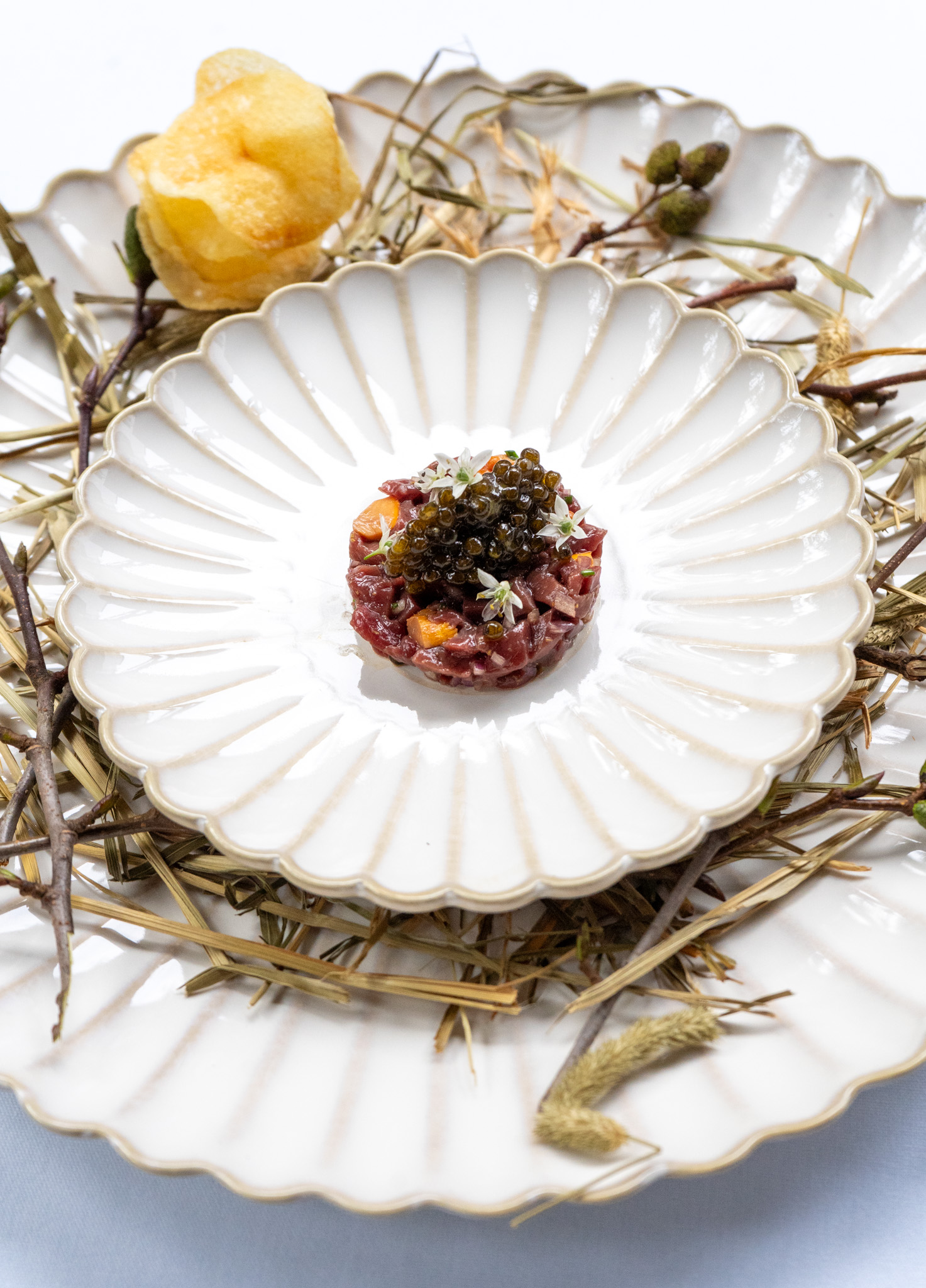
Armstrong’s understanding of that relationship reaches back to growing up around farming and continues through the network of Ontario producers he works with. What comes through when all three chefs speak is an awareness of the amount of work that happens outside the kitchen — work a diner may never see but that has a direct effect on what eventually arrives on the plate.
“A lot of people don’t realize how much time we spend visiting suppliers, visiting producers,” Charles says. He talks about seafood as an example, and the importance of understanding what happens from the time it is caught to the time it reaches the restaurant.
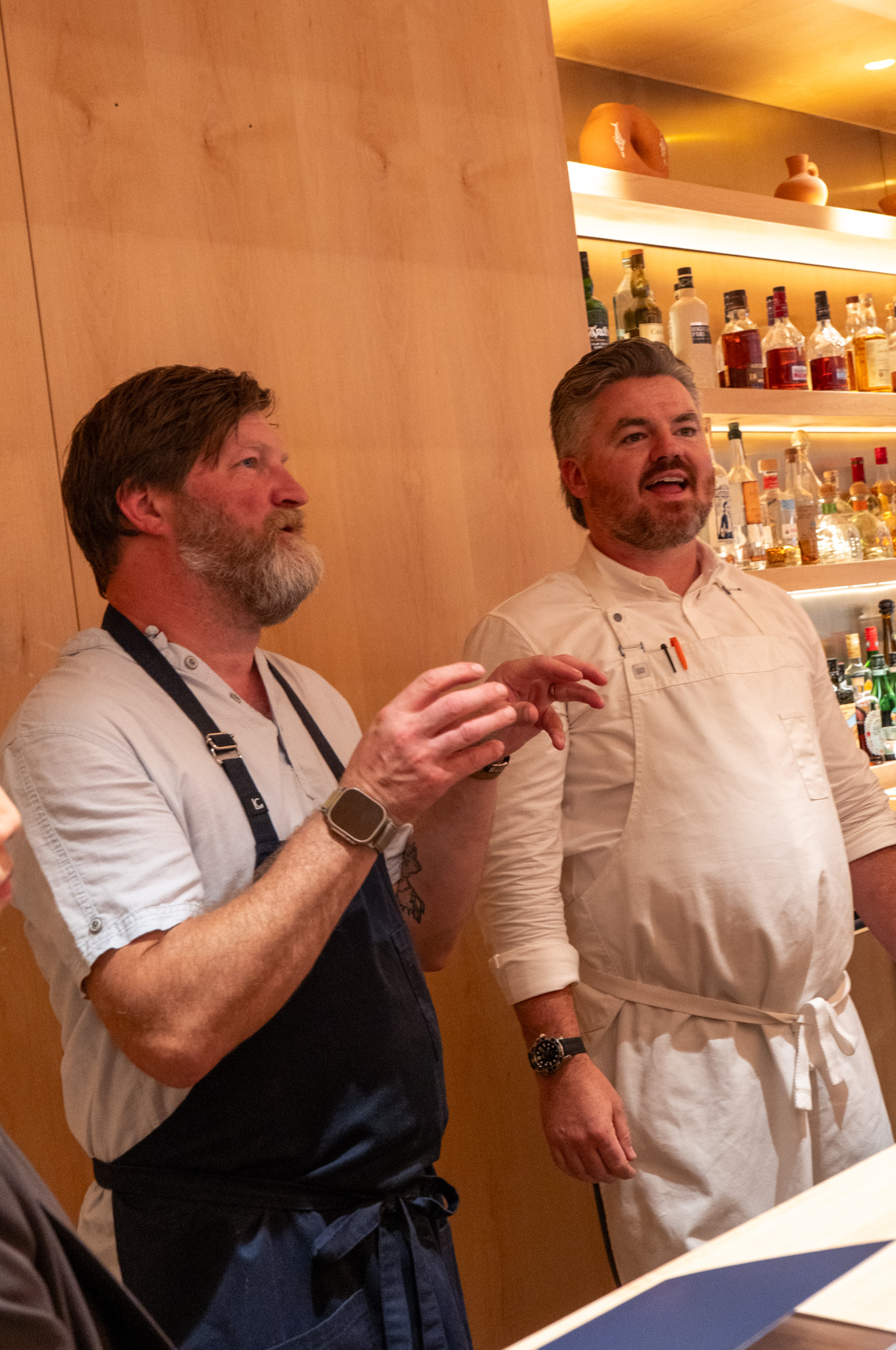
That closeness to the ingredient is especially interesting when set against the amount of technique in the cooking of all three chefs. Preservation and fermentation can take days, weeks or longer, yet the starting point remains the product and the season it came from. In places where the growing season is short, preserving ingredients is also part of extending what is available and finding ways to carry it into the colder months.
And while their ingredients may come from very close to home, the knowledge they use in their kitchens can come from much farther away.
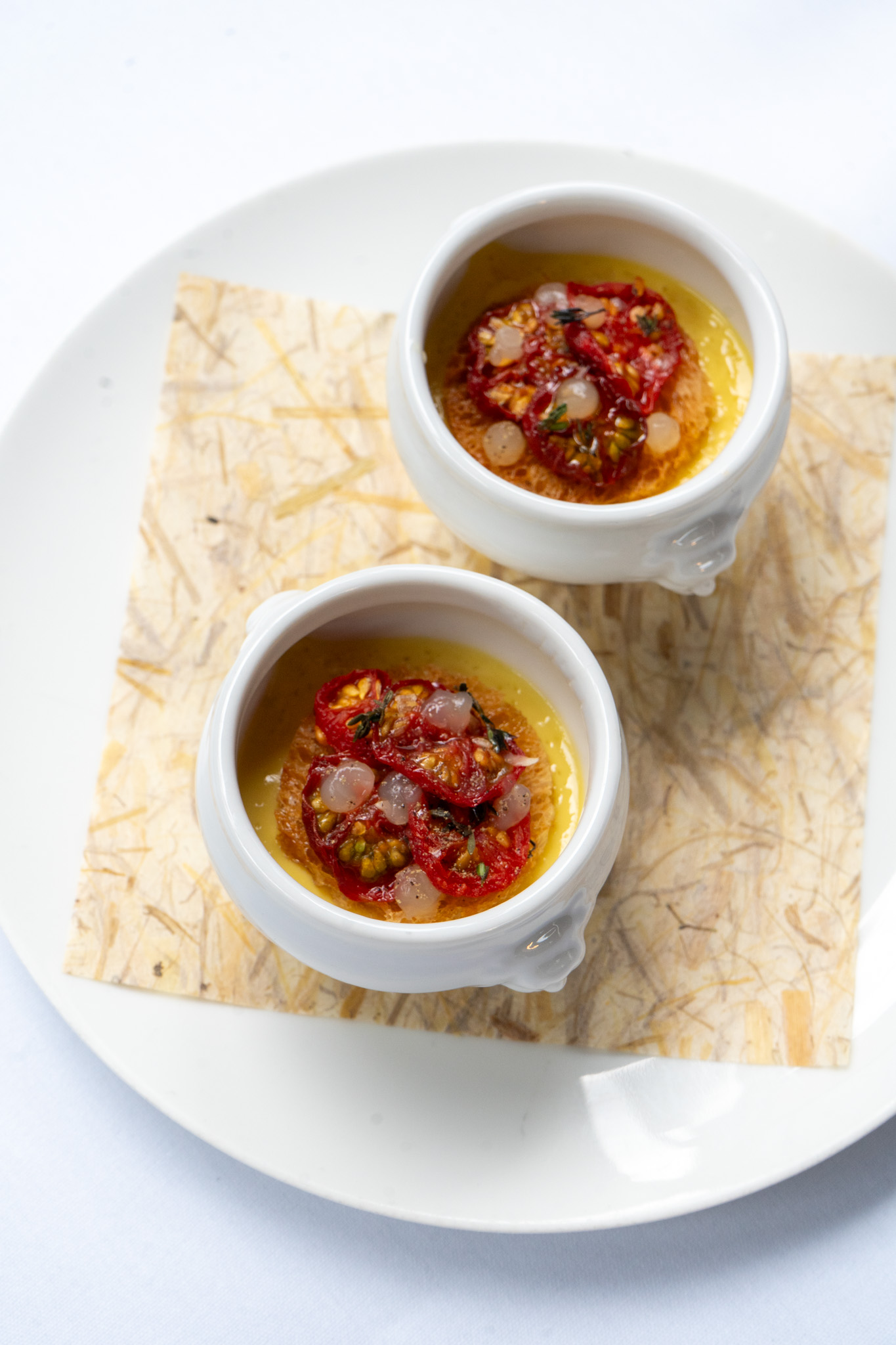
Hahn talks about how much smaller the cooking world has become and how recipes and techniques are now shared between chefs and across cultures. He points to preservation methods found in Japanese, Chinese and Turkish food traditions as examples of knowledge that can be learned and applied elsewhere. A chef can be firmly connected to the place they cook while still learning from people and traditions far beyond it.
That exchange of knowledge is also part of the relationship between Charles, Hahn and Armstrong themselves.
“I think as a chef, it’s a responsibility that you do carry and that you do understand,” Armstrong says. “It is about sharing knowledge and not gatekeeping and passing it on.”
Sitting with Charles and Hahn, Armstrong is open about what years of cooking alongside and learning from the two chefs has meant to him. “These chefs will tell me everything that goes into everything that they cook, and you taste things that you are not familiar with or that’s new to you,” he says. “What I’ve learned from these two gentlemen is forever priceless.”
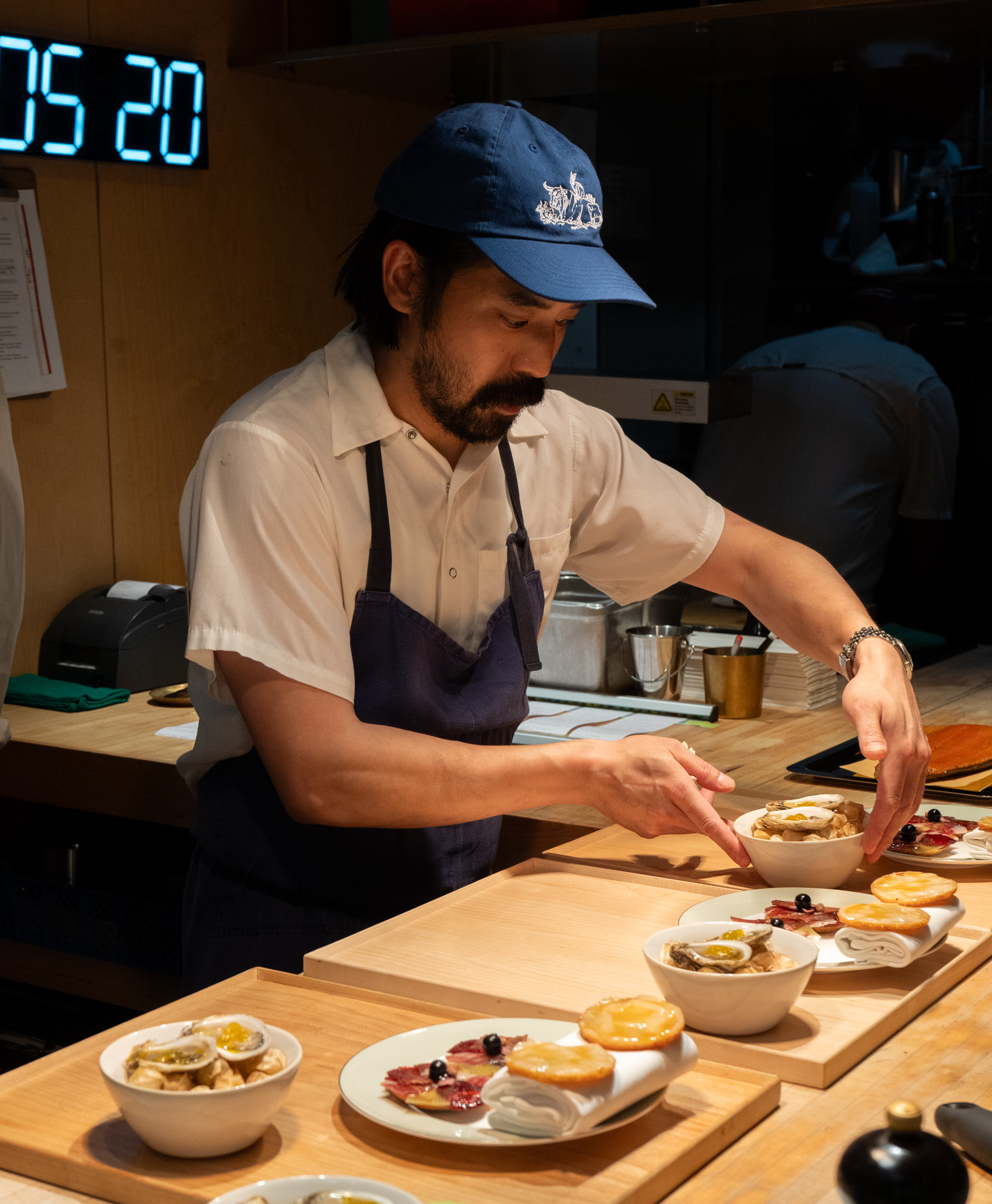
The three have known one another for years. Hahn recalls working in Ontario when Armstrong was at Canoe and says they “go back a long ways.” Armstrong remembers meeting Charles through a dinner at Canoe and says Charles “instantly became a mentor for me.” There have been other dinners and other opportunities to cook together since, including in Newfoundland, but as restaurants, travel and careers pull them in different directions, finding the time to do it becomes harder.
Which is part of what made the Toronto collaboration worth paying attention to.
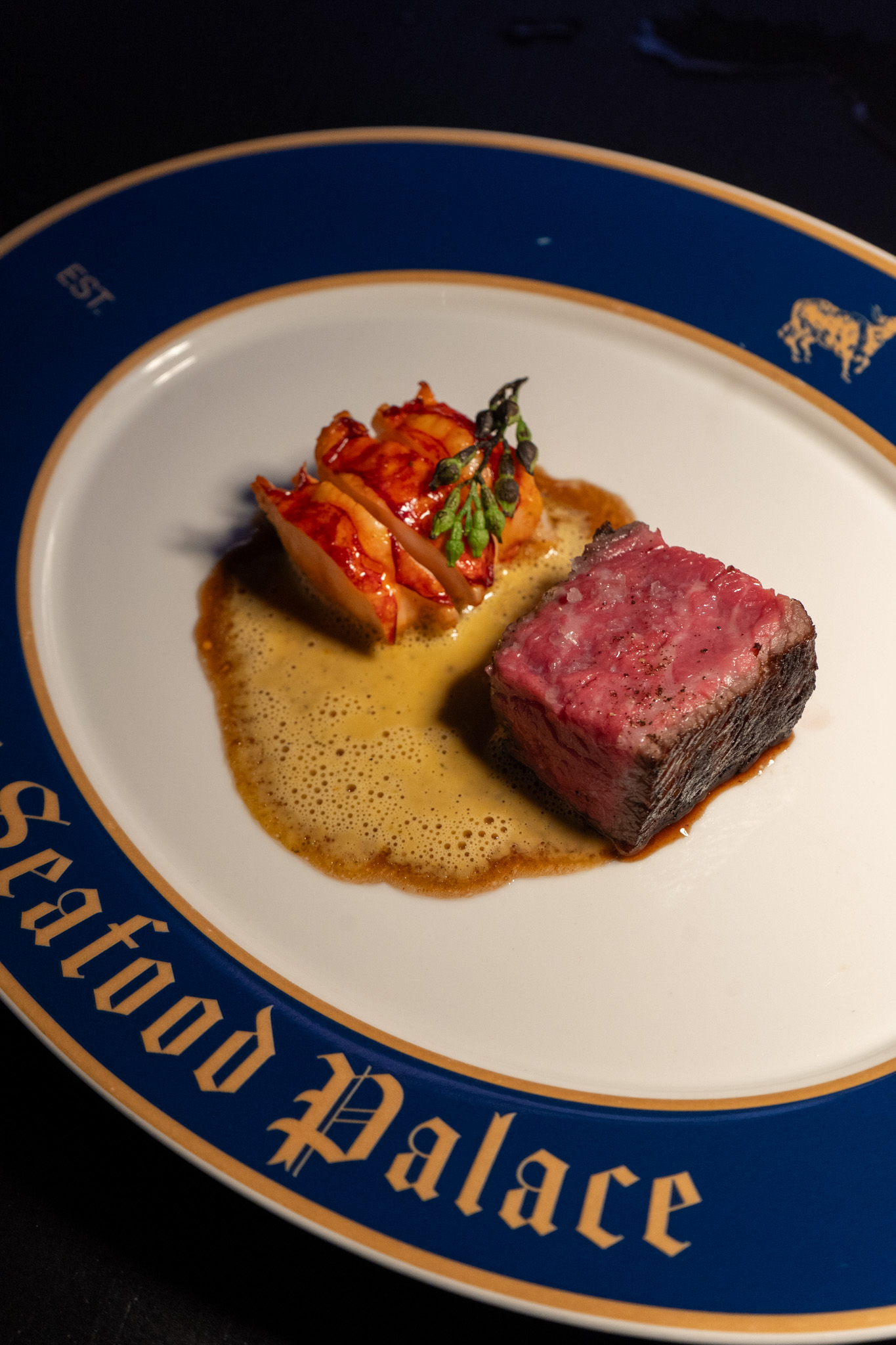
Chef collaborations are often presented through names, restaurants and accolades. Those things may bring people into the room, but they don’t necessarily explain what happens once the chefs get into the kitchen together. With Charles, Hahn and Armstrong, there is a history beneath the dinner. They have followed one another’s careers, learned from one another and continued to look for opportunities to cook together. As Charles puts it, “It’s always an honour to come to Toronto, see some friends and cook together.”
Their food remains very different. So do the places they call home. But the way they speak about cooking keeps returning to the same starting point: knowing where an ingredient came from, knowing the people behind it and understanding the work that happened before it reached them.
For Charles, that connection is Newfoundland. For Hahn, it is the farm and seasons around him in Denmark. For Armstrong, it is rooted in agriculture and the producers he works with in Ontario. The collaboration brought those three places to the same kitchen. More importantly, it showed why three very different chefs have continued to find common ground in one another’s cooking.
Photography: Kate Morrison/Our House Hospitality