
Since 2020, Montréal chef Francis Blais and the team behind Menu Extra have been creating dinners that bring food together with art, fashion, architecture and design. Over the years, those collaborations have become part of Menu Extra’s identity as they worked alongside creatives from different disciplines to shape each dinner.
Their latest dinner, In Praise of Shadows, was created with Evian as part of the brand’s 200th anniversary. The partnership brought Blais and his team to Studio Giovanelli in Montréal for an evening inspired by water and its relationship to time and nature.
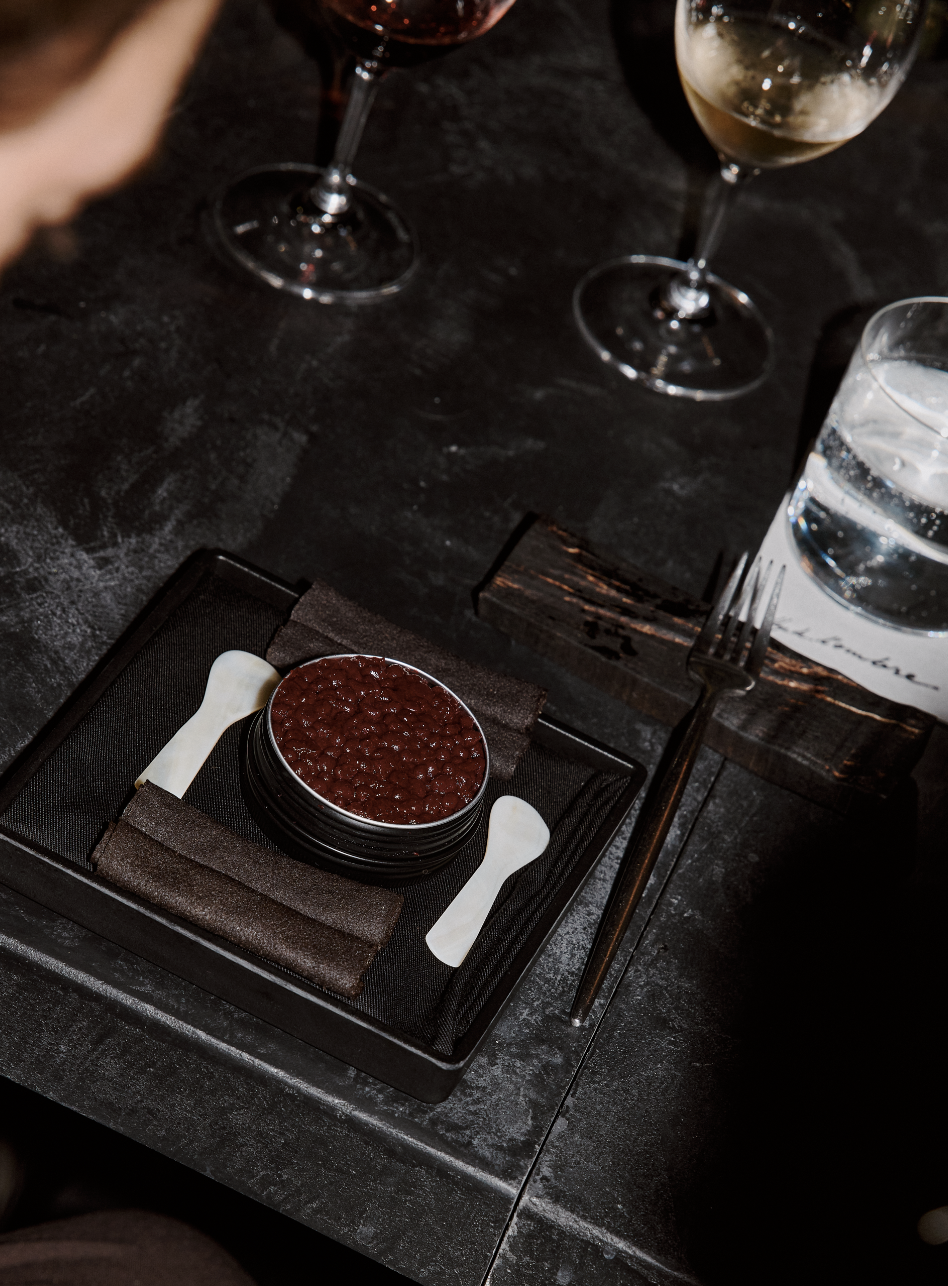
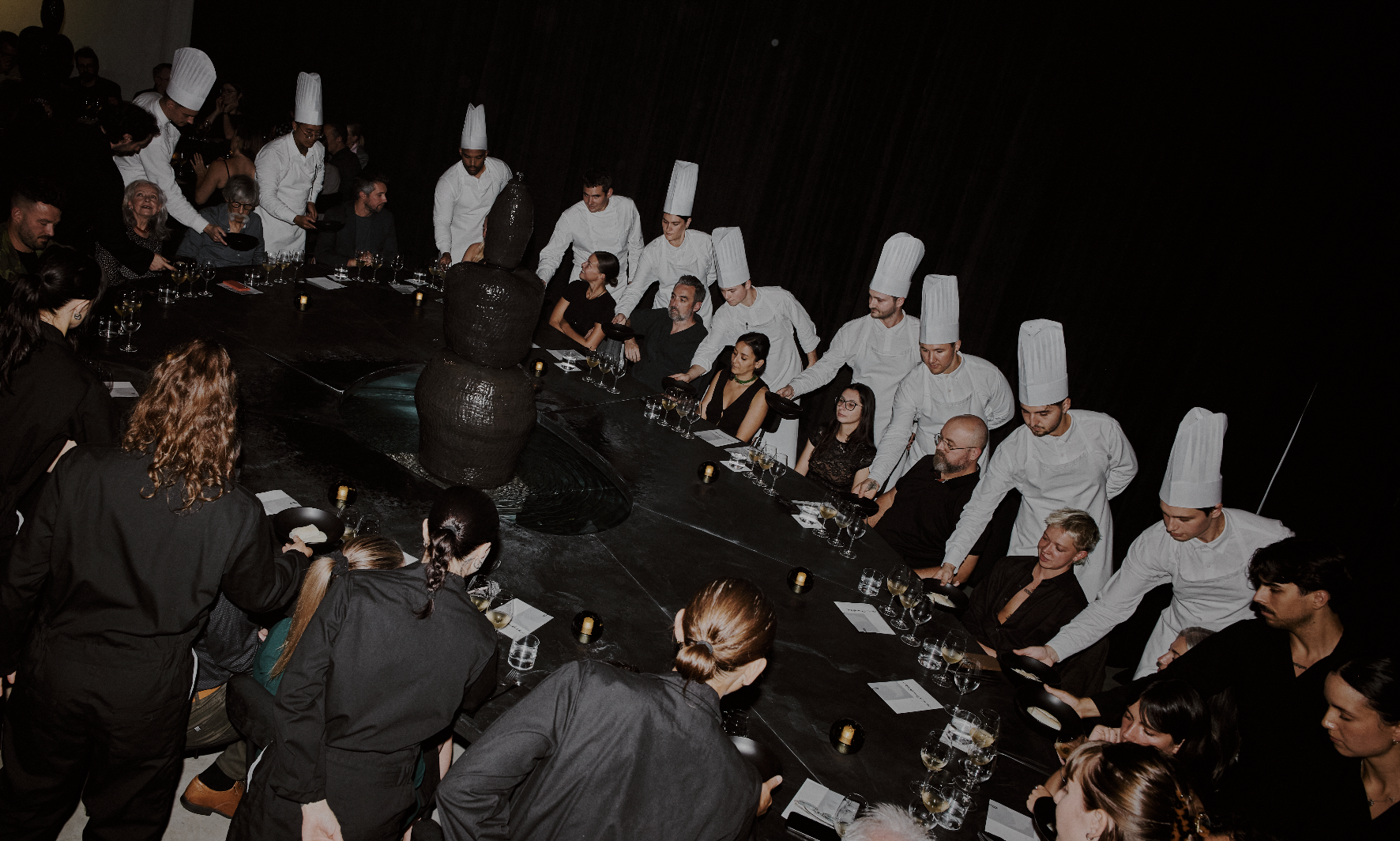
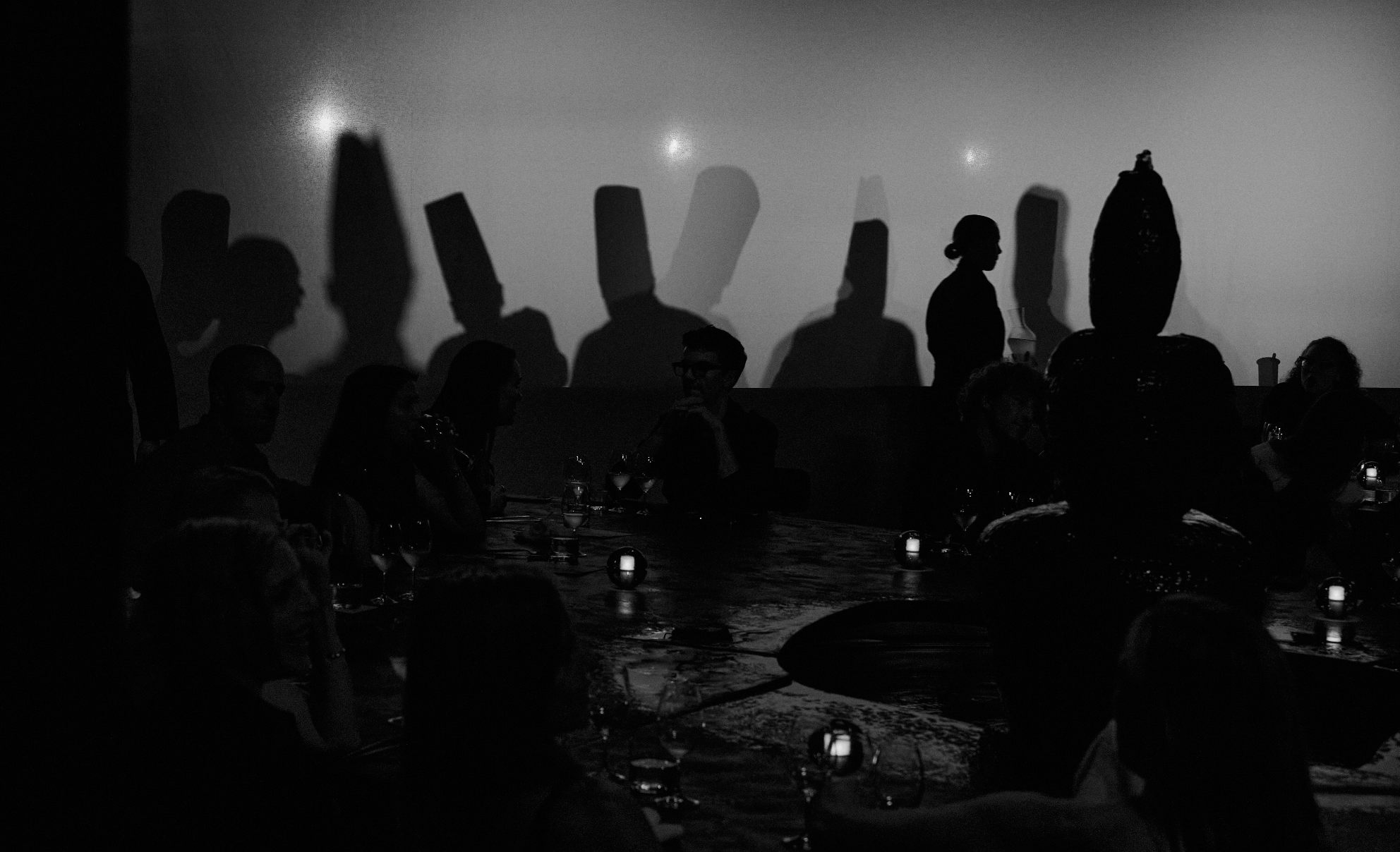
The room itself gave the first clue that this wasn’t going to be a conventional dinner. A sculpture stood in front of us with water running down its surface, its sound carrying through the room, while the chefs worked behind a screen with only their shadows visible from the table. As the dishes arrived, hot and cold temperatures, textures and flavours of the sea were joined by changes in fragrance, sound and light. None of these came across as separate “sensory” moments that needed to be explained.
It would be easy to call this immersive dining, but that description doesn’t quite fit. Immersion today often means more technology, more theatre, more sensory stimulation and more moments engineered to be captured. At Menu Extra, all of these different disciplines were allowed to exist together without competing for attention. Everything in the room felt connected. The sculpture, the movement of the chefs behind the screen, the sound of water and what was happening on the plate were all part of the same idea. Each detail added another layer to the dinner, whether you caught it immediately or noticed it later.
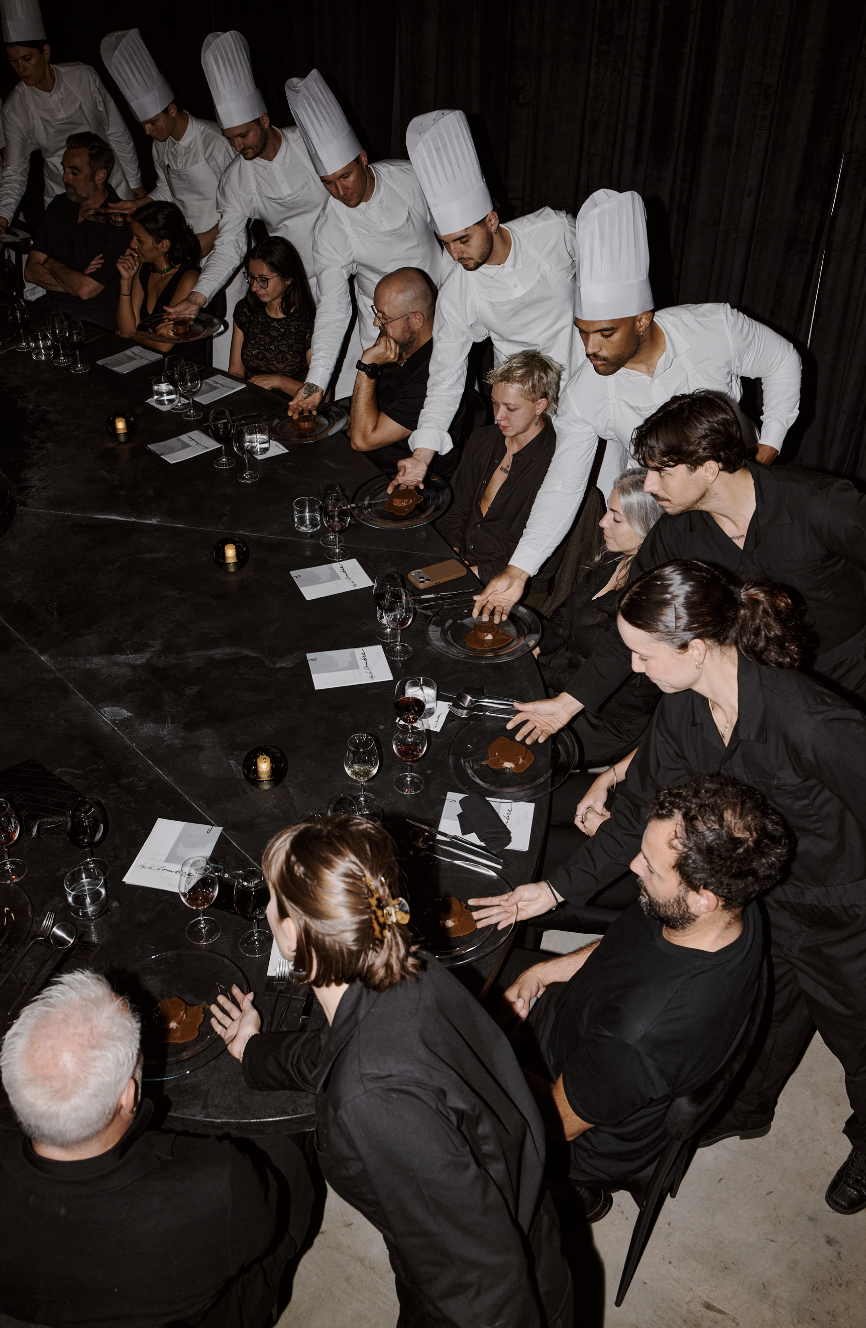
In Praise of Shadows also left room for the guest to make their own connections. You weren’t being guided through every reference or told what each element meant. The shadows, the temperature of a dish, the sound of water and the changing room revealed themselves as the dinner went on.
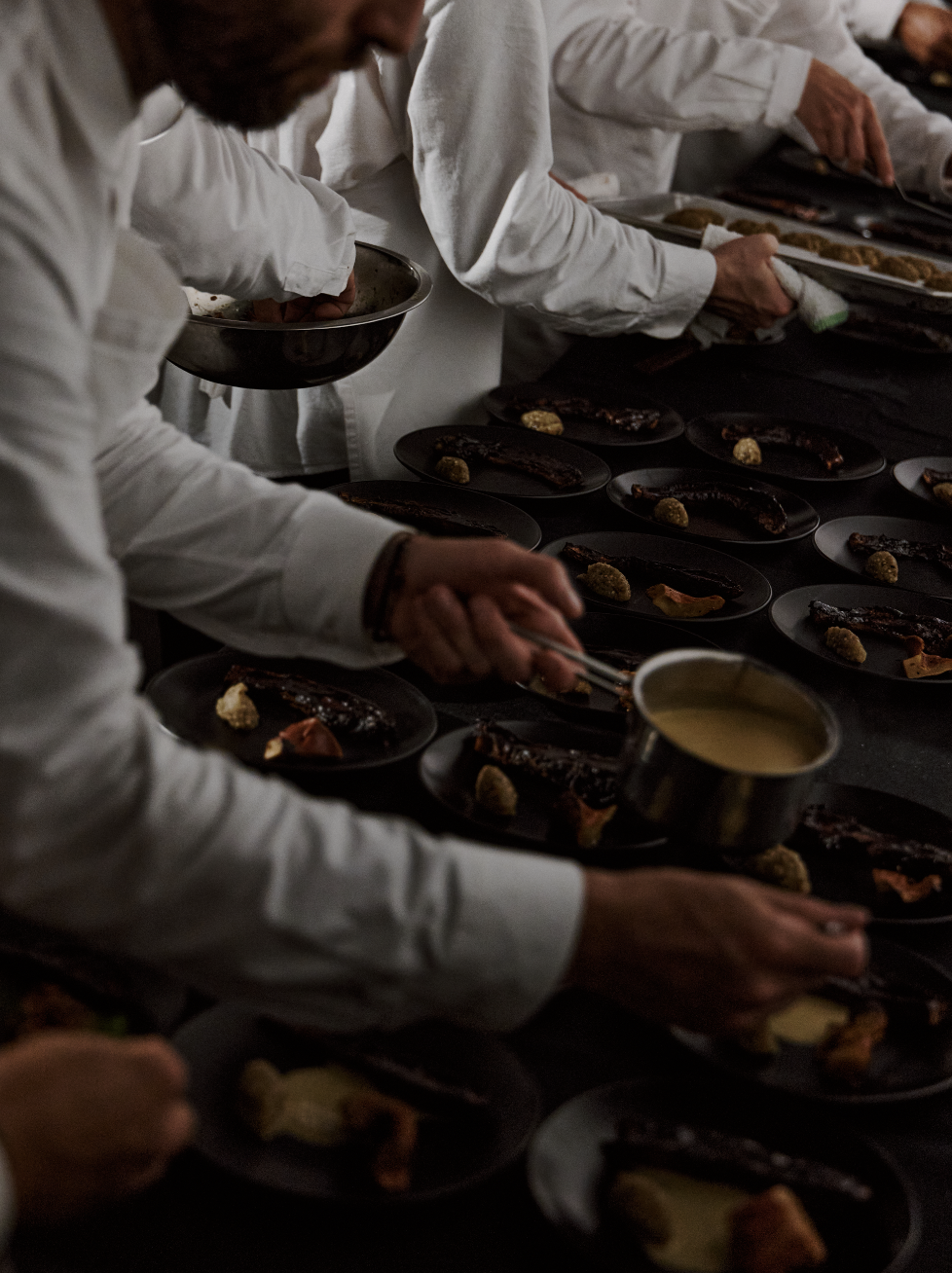
At one point, I went behind the screen where we had been watching the shadows of the chefs throughout the evening. From our side, their movements looked beautiful and almost choreographed. On the other side, Blais and his team were deep in service, moving quickly and working through the details of every plate.
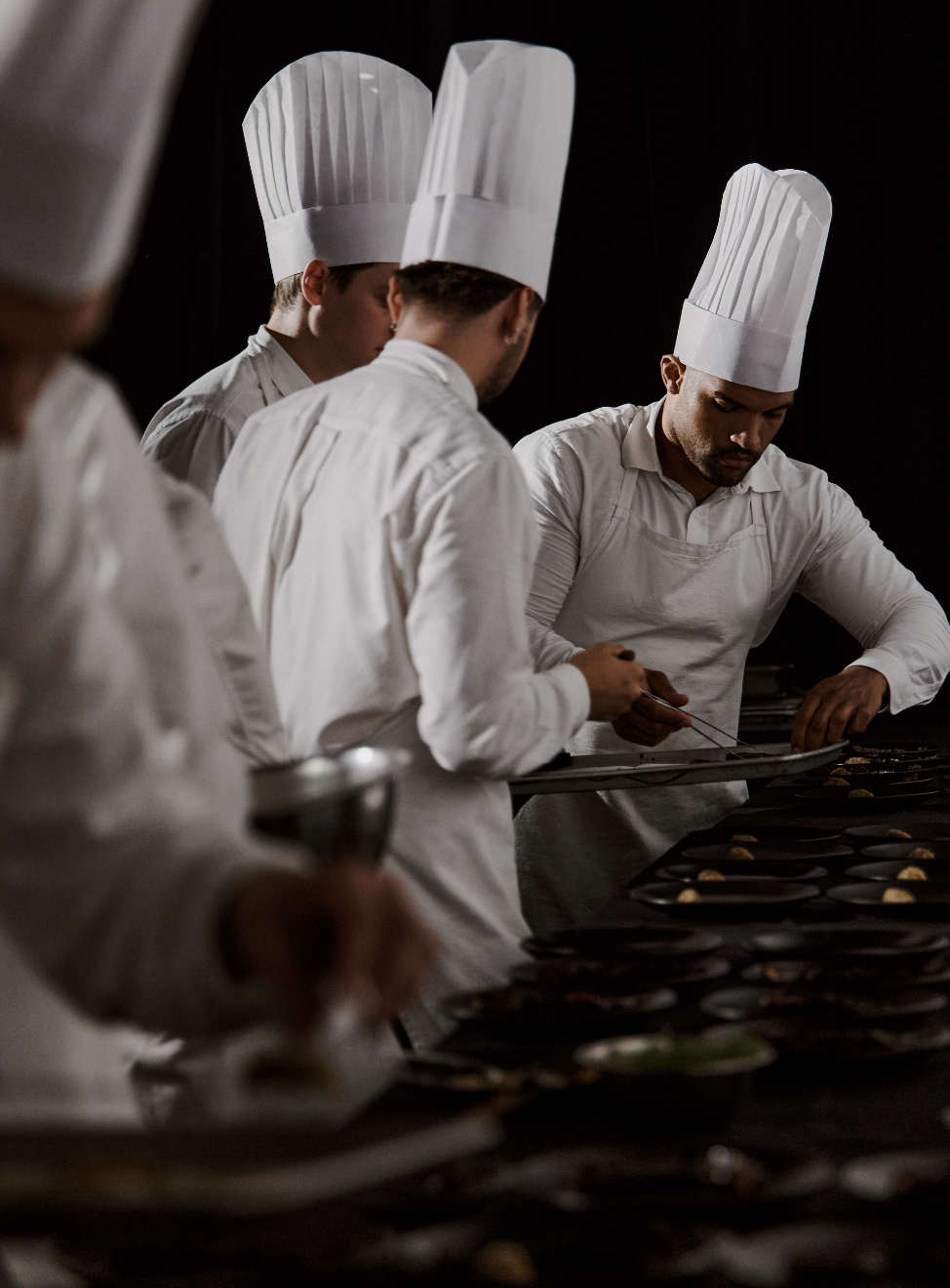
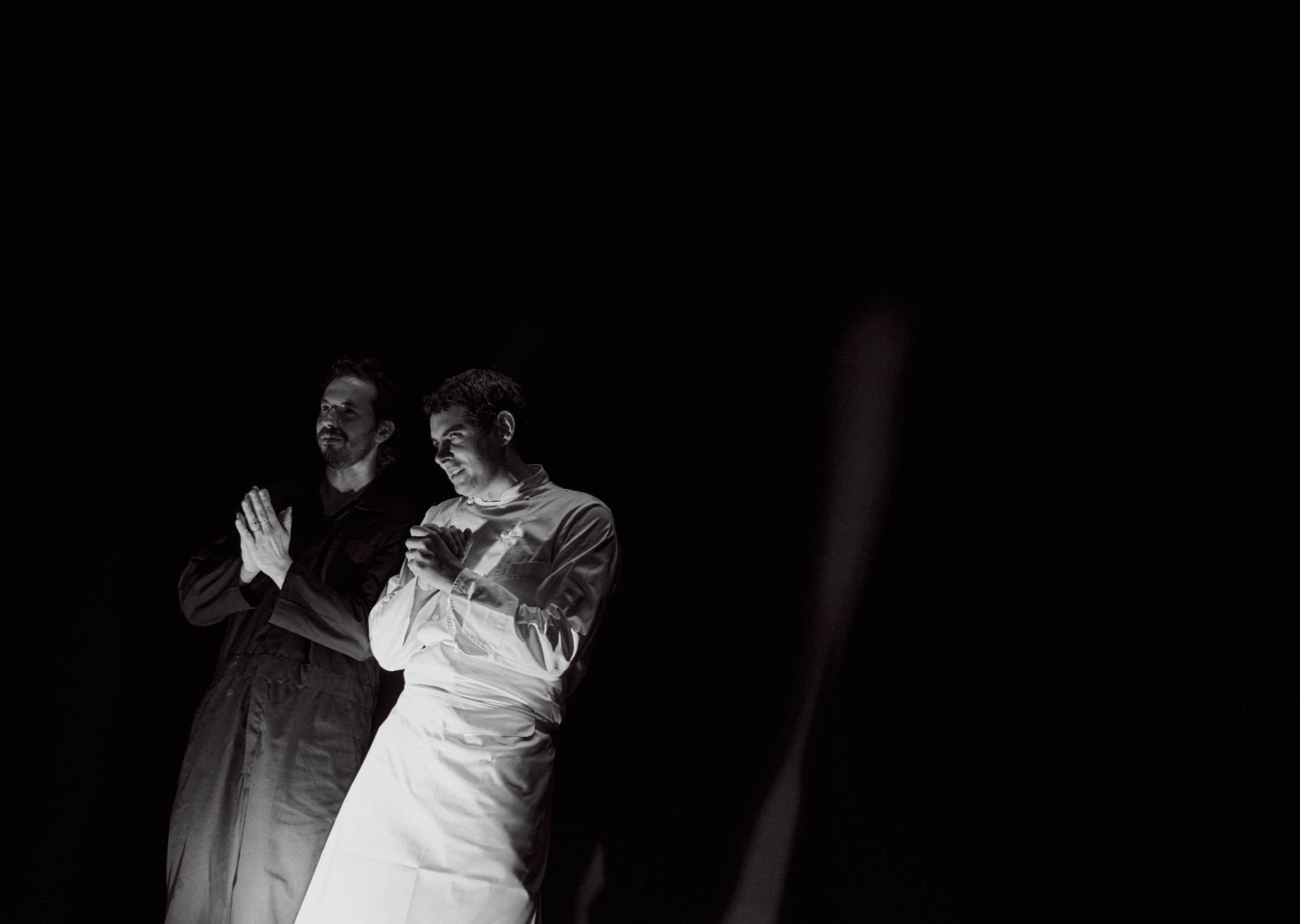
What I find interesting about Blais is how far his thinking extends beyond the food. Watching his team work, you understand that Blais is considering the whole room at once. Where the chefs are, what the guests can see, the light, the sound, even the feeling of a dish arriving hot or cold.
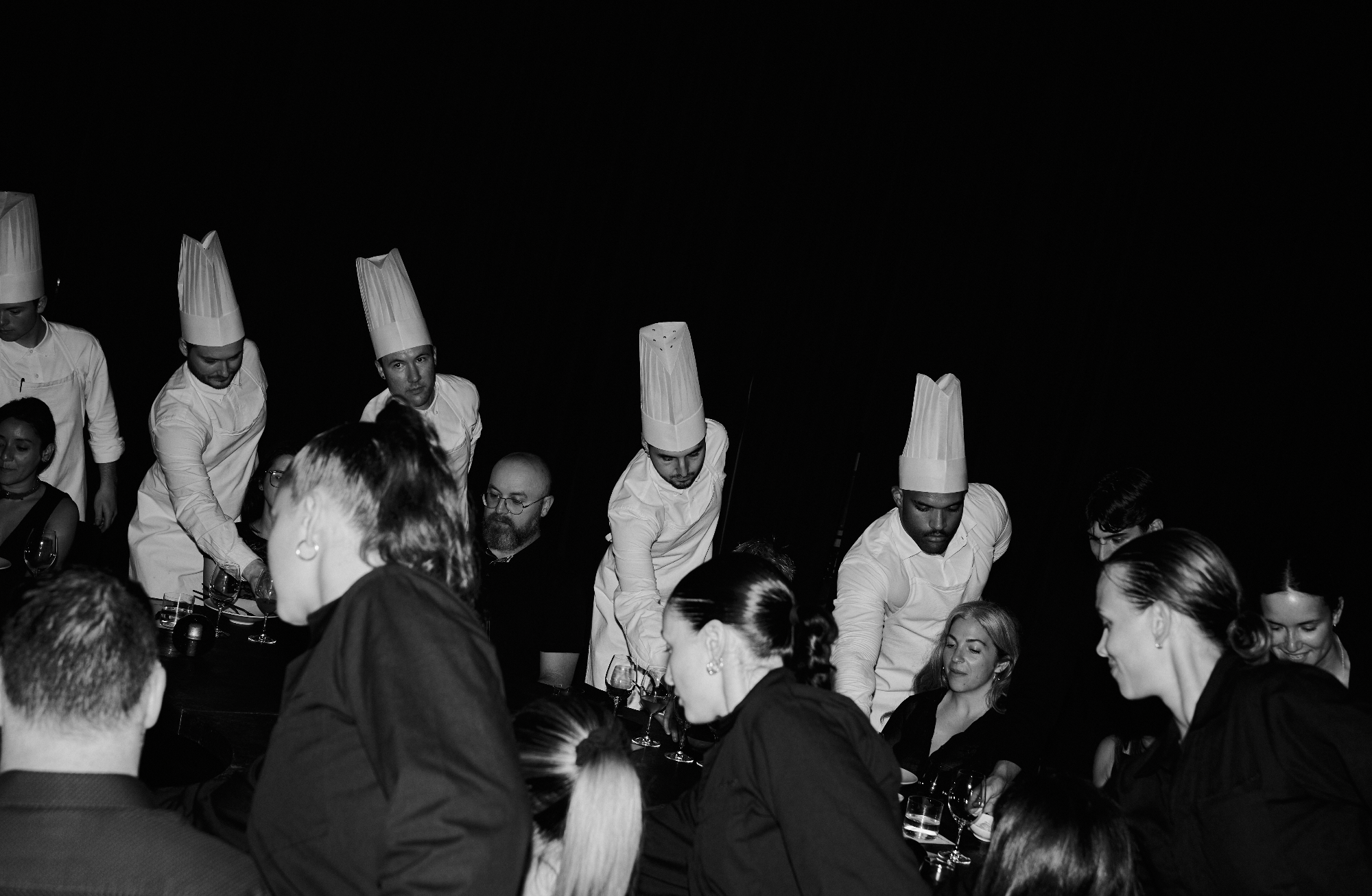
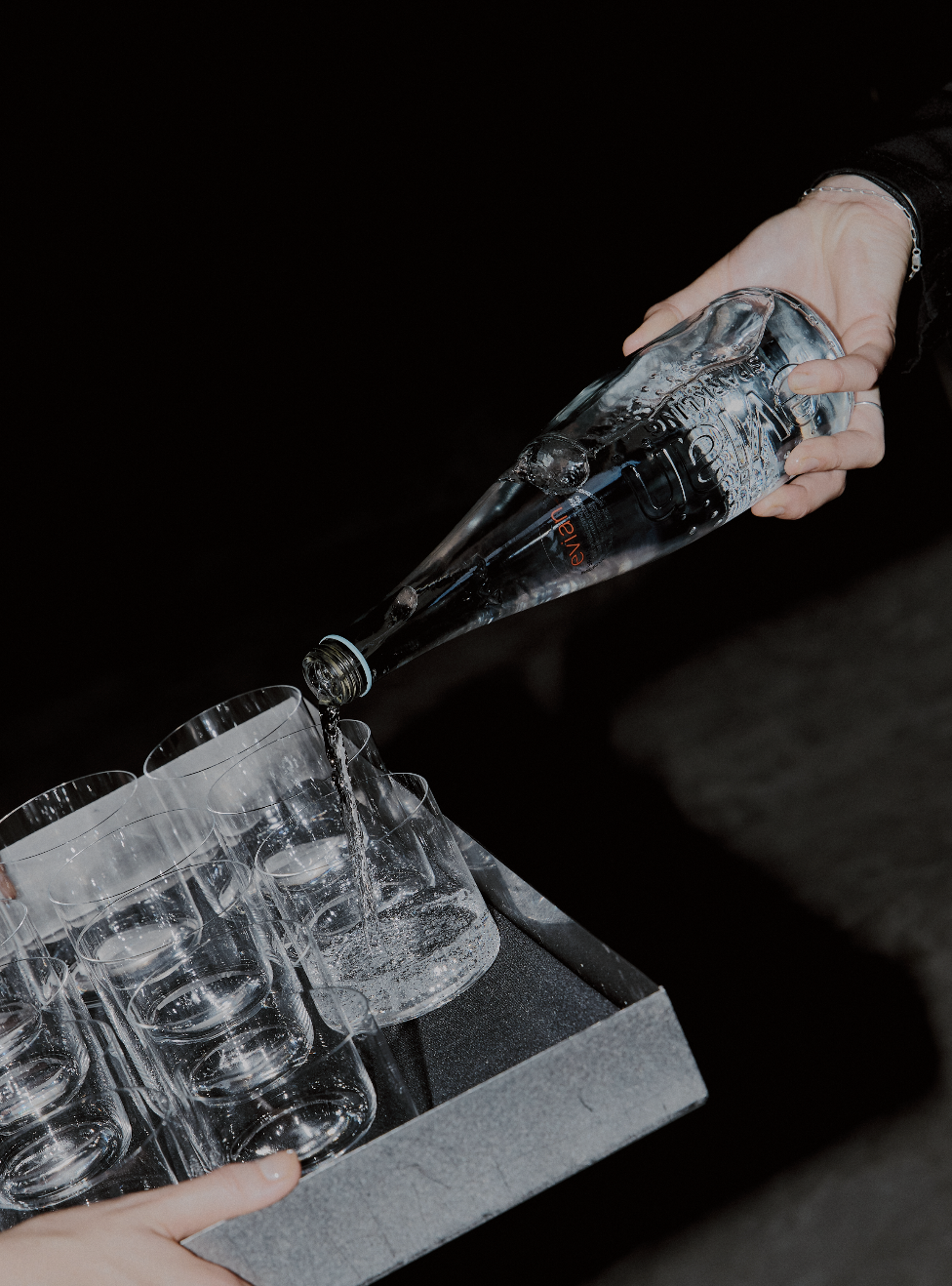
For a dinner marking the Evian’s 200th anniversary, the brand could have been everywhere. Instead, its story was worked quietly into the evening: synchronized water service at the table, the sound of water running through the room, and references to its journey through the French Alps, where it filters through glacial rock over 15 years. You understood why Evian was there without having to be reminded of it.
Food has become an increasingly interesting space for luxury brands, especially as chefs move beyond the restaurant and into conversations around fashion, art and design. These dinners can say something about a brand in a way that a more traditional event can’t.
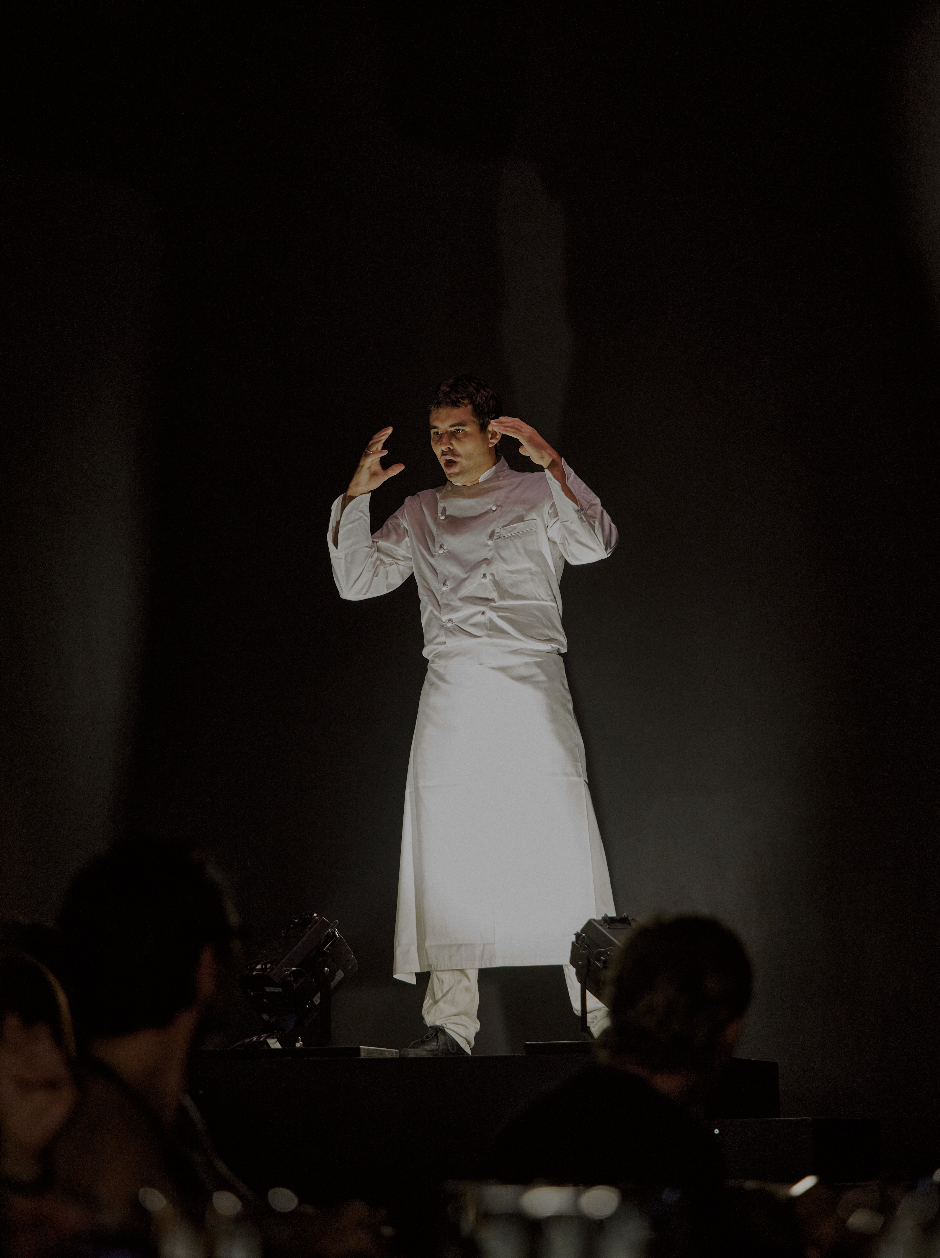
With Evian and Menu Extra, that came through in the way the collaboration was handled. There was a clear connection to Evian’s history and to water, but Blais and his team had room to take those ideas somewhere unexpected.
For its 200th anniversary, Evian gave Menu Extra the space to tell its story their way. The result felt as much like a Menu Extra dinner as it did an Evian celebration, which is what made the collaboration so good.